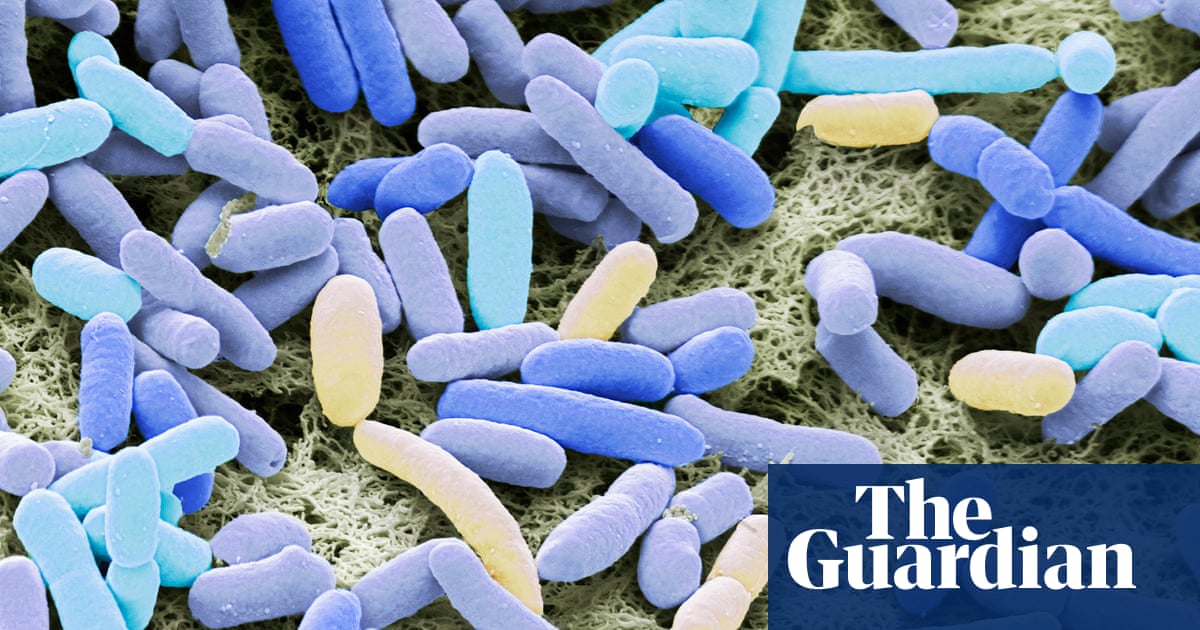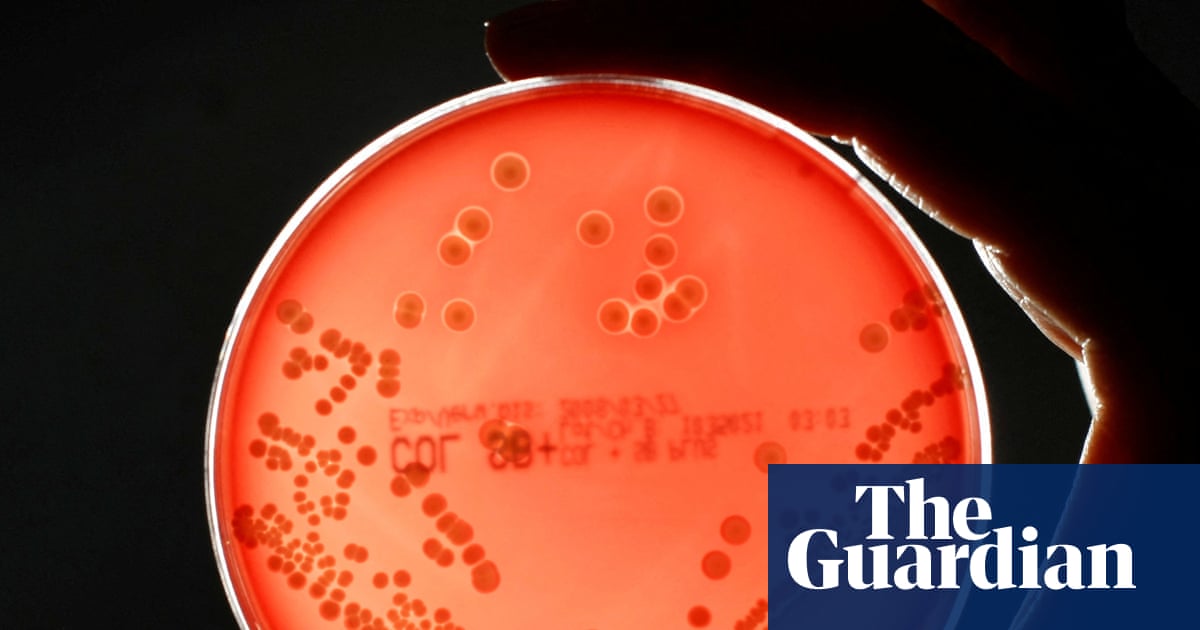
The number of infections by drug-resistant, “nightmare bacteria” rose by almost 70 percent between 2019 and 2023 in the United States, according to a report from the Centers for Disease Control and Prevention (CDC), the country’s national public health agency.Driving the increase are drug-resistant bacteria with the so-called “NDM gene” (New Delhi metallo-β-lactamase), researchers said. Bacteria with the NDM gene were once considered “exotic” and were linked to only a small number of patients, mostly outside the US.Recommended Stories list of 4 itemslist 1 of 4US vaccine advisory panel does not recommend COVID jabs for alllist 2 of 4Fact checking Robert F Kennedy’s statements to Senate on COVID, vaccineslist 3 of 4‘Total implosion’: How Trump firing of CDC chief Monarez sparked an exoduslist 4 of 4WHO says Ebola outbreak in DR Congo kills 31end of listOnly one type of antibiotics, known as carbapenems, have been known to work against some “nightmare bacteria”. However, the presence of NDM-gene bacteria can now render these entirely ineffective as well.What has the report on drug-resistant bacteria found?While absolute numbers of people with drug-resistant bacterial infections in the US remain low, cases have risen at an alarming rate in recent years, the researchers reported on Monday.“The rise of NDMs in the US is a grave danger and very worrisome,” said David Weiss, an Emory University infectious diseases researcher, The Associated Press news agency reported.Researchers had access to data from 29 states that test for and report cases of carbapenem-resistant bacteria. They said there were 4,341 cases of carbapenem-resistant bacterial infections in those states in 2023, with 1,831 of them the NDM-gene variety.How do bacteria become drug-resistant?“Antimicrobial resistance” can occur when bacteria develop new ways to defend themselves against the drugs used to kill them.The misuse of antibiotics has driven the rise – people not finishing prescribed courses of antibiotics or receiving unnecessary prescriptions, which don’t fully kill off an infection, can enable bacteria to get “used” to an antibiotic and grow resistant to it. Resistant bacteria are then able to survive and spread their genes to other bacteria.The rate of carbapenem-resistant infections in the US rose from just under 2 per 100,000 people in 2019 to more than 3 per 100,000 in 2023 – an increase of 69 percent. But the rate of NDM cases rose from about 0.25 to about 1.35 per 100,000 people – an increase of 460 percent, the authors said.It’s likely, therefore, that some people are unrecognised carriers of the NDM-gene bacteria, which could lead to community spread, the CDC scientists said. Common infections like urinary tract infections can also become more dangerous if they cannot be treated.Why are cases of drug-resistant infections on the rise?The increase in US cases may be related to the COVID-19 pandemic, according to experts.“We know that there was a huge surge in antibiotic use during the pandemic, so this likely is reflected in increasing drug resistance,” Dr Jason Burnham, a Washington University researcher, told the AP.Furthermore, the CDC’s latest count is likely only a partial picture. Many states do not test for carbapenem-resistant bacterial infections. Even in states that do, testing tends to be limited to hospital patients who are extremely ill.The CDC researchers also did not have access to data from some of the US’s most populated areas, including California, Florida, New York and Texas, meaning the absolute number of US infections “is definitely underestimated”, Burnham said.What are the early signs of carbapenem-resistant infection?Carbapenem-Resistant Enterobacteriaceae (CRE) infections don’t differ very much from common bacterial illnesses, which makes them tricky to spot. Typical warning signs include:
What are ‘nightmare bacteria’ and why are infections rising in the US?
Health officials in the US are sounding the alarm over the rise of drug-resistant 'nightmare bacteria'.
856 words~4 min read