Currently, only residents from certain countries and US states can opt out of certain Tracking Technologies through our Consent Management Platform. Additional options regarding these technologies may be available on your device, browser, or through industry options like AdChoices. Please see our Privacy Policy for more information.
To revisit this article, visit My Profile, then View saved stories.
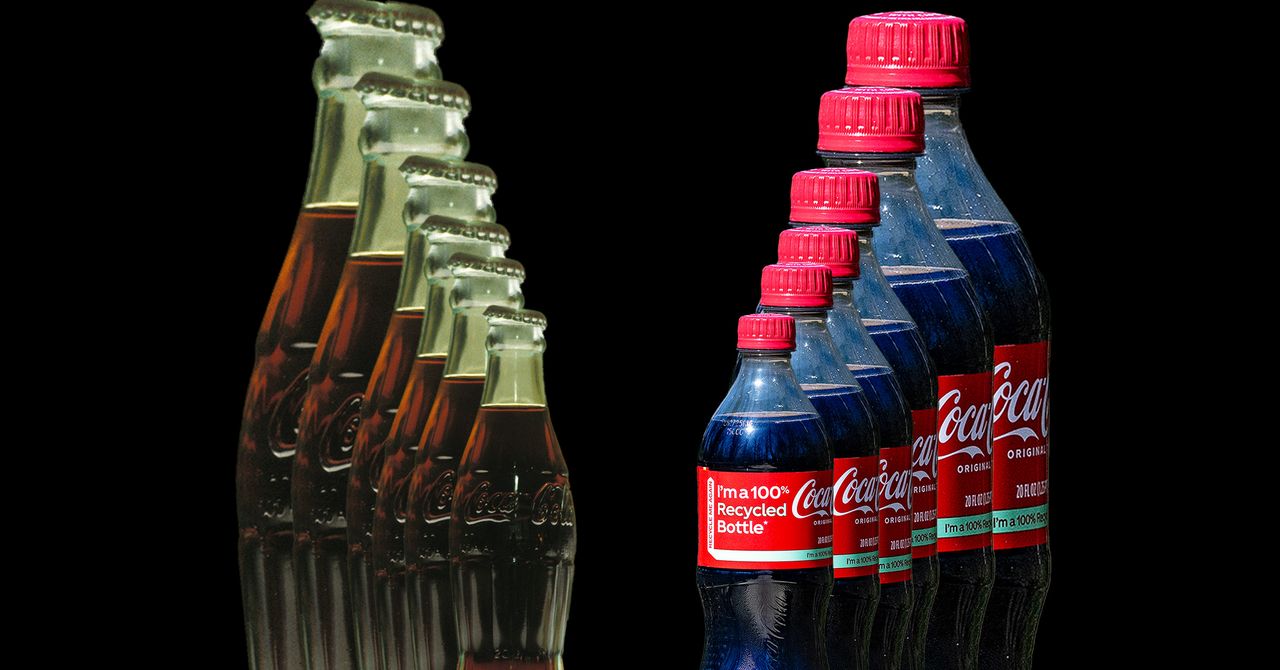
BY THE EARLY 1990s, most of Coke’s drinks across the US were being sold in disposable cans and PET bottles. Returnable glass made up less than 1 percent of what it sold in the US. Yet the company still wanted to hang on to the wholesome image evoked by its contour glass bottle.
Buy This Book At:
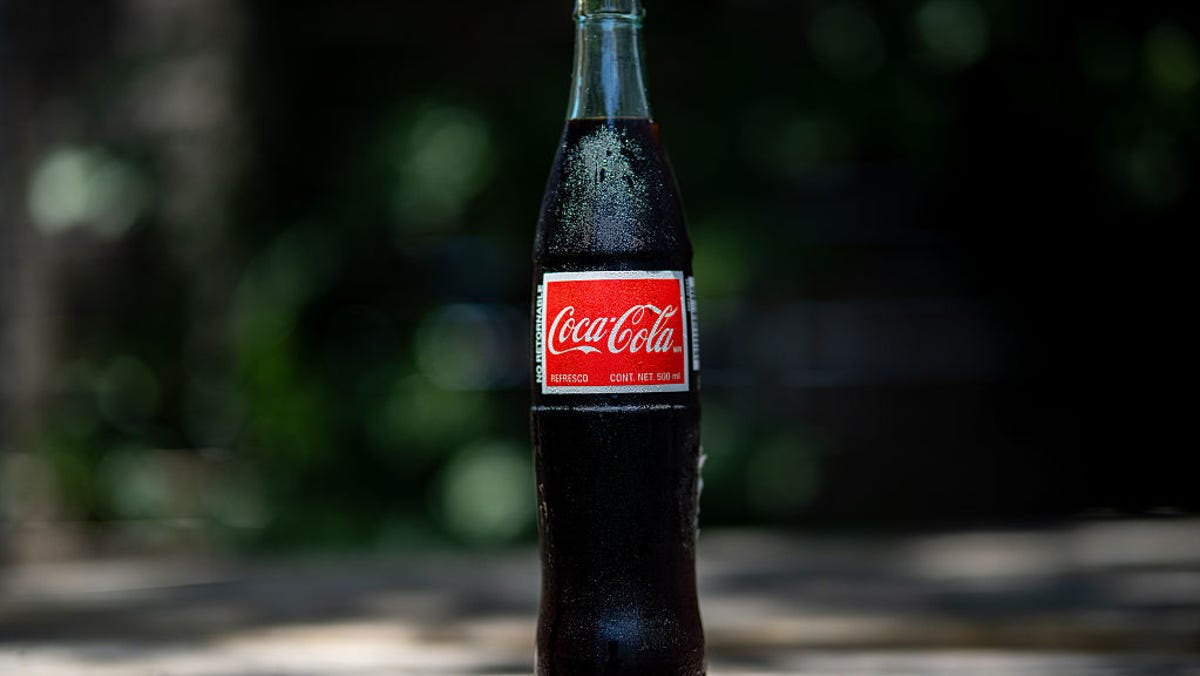
Coca-Cola’s advertising sought to evoke nostalgia, and for this the company used imagery of the old hobble-skirt glass bottle, often ice-cold with beads of condensation dripping down it. It had used the distinctive bottle since 1916. Also called the “Mae West” bottle after the American actress’s famously curvaceous figure, the shape was arguably the most recognized corporate symbol in the world. The company’s CEO, Doug Ivester, was convinced that Coke needed to keep the contour bottle high in the public’s imagination.