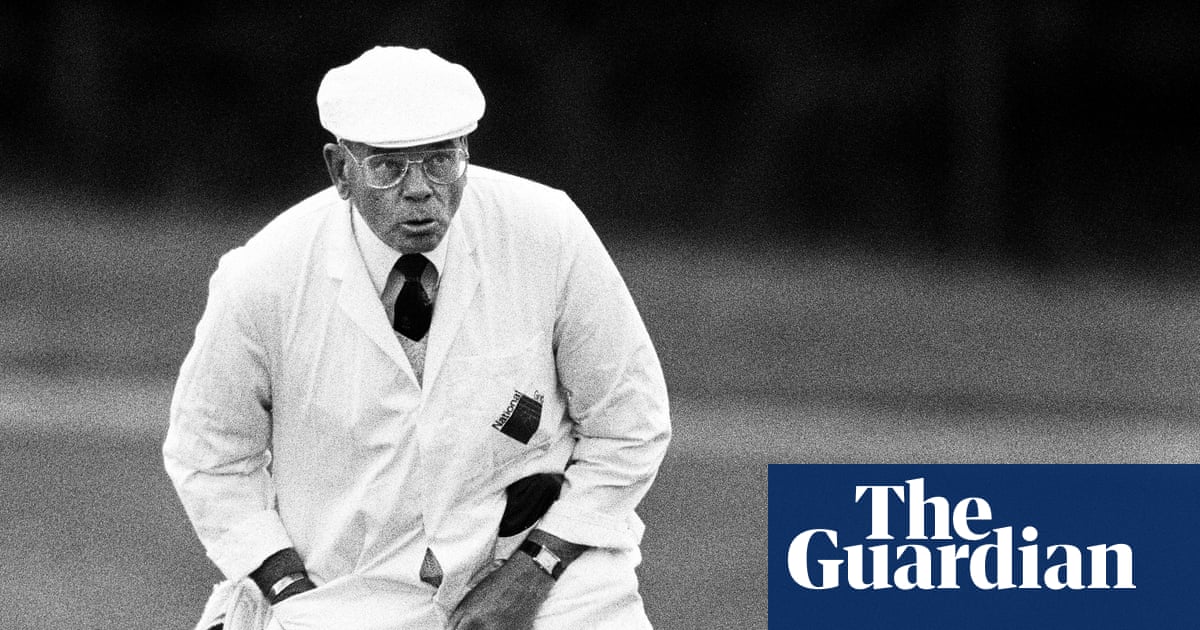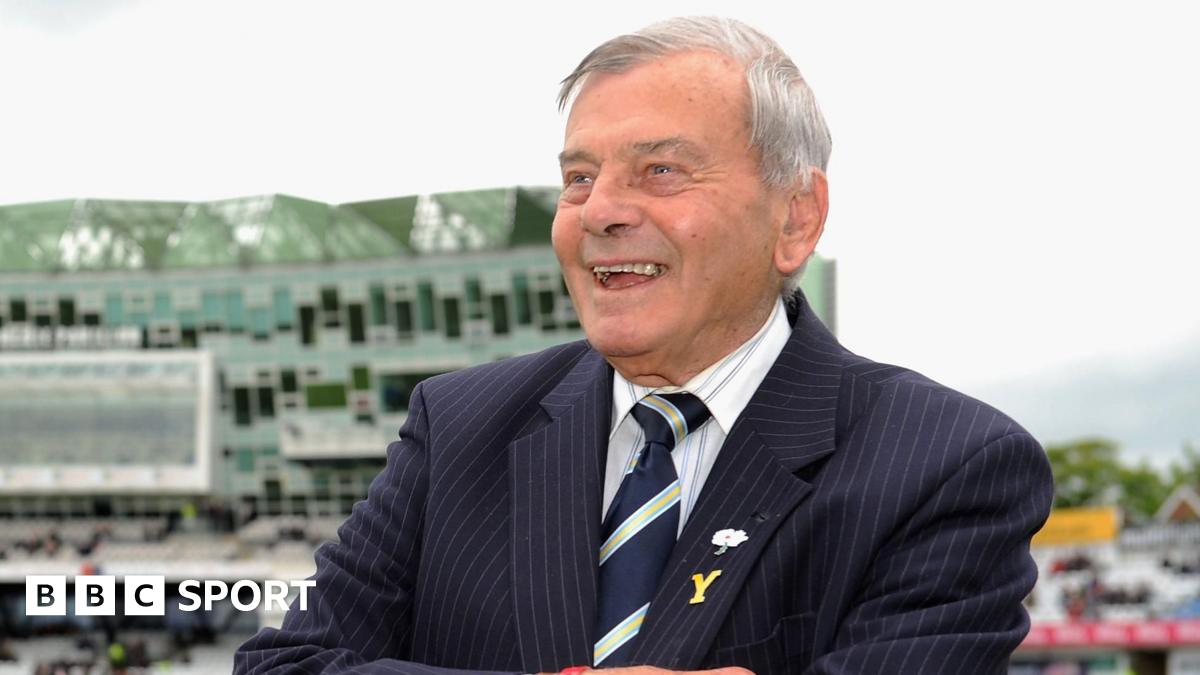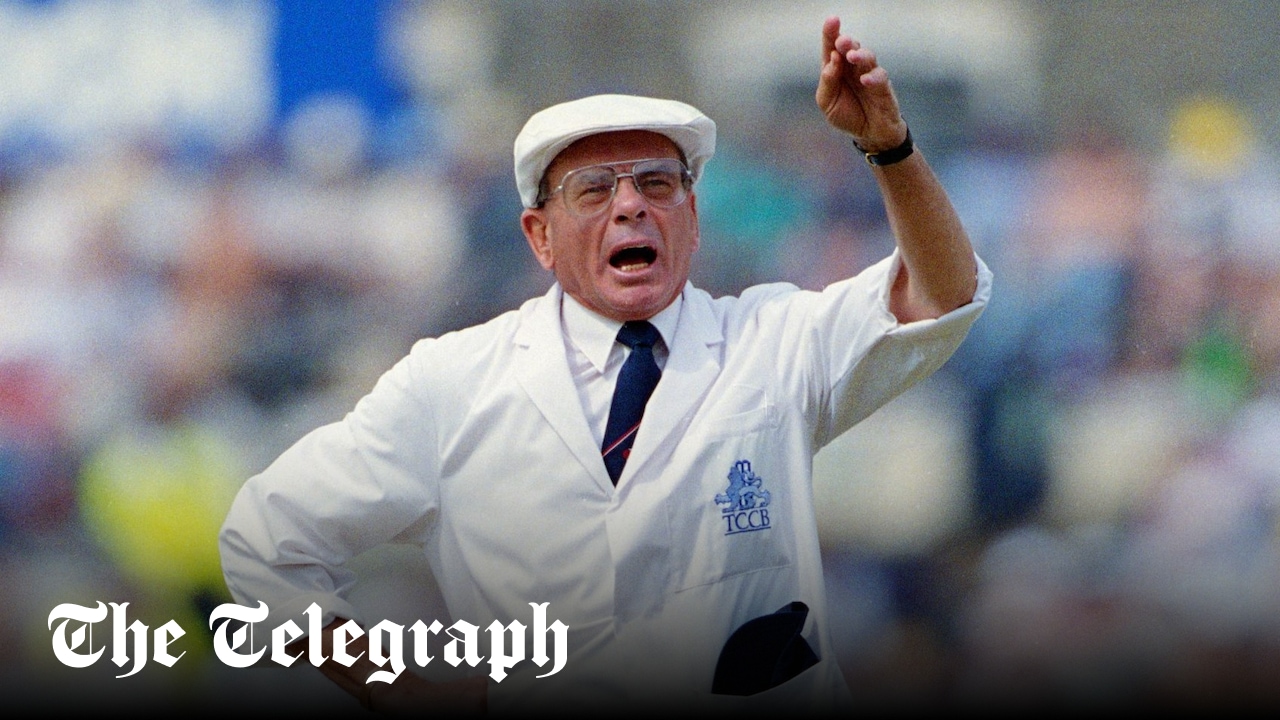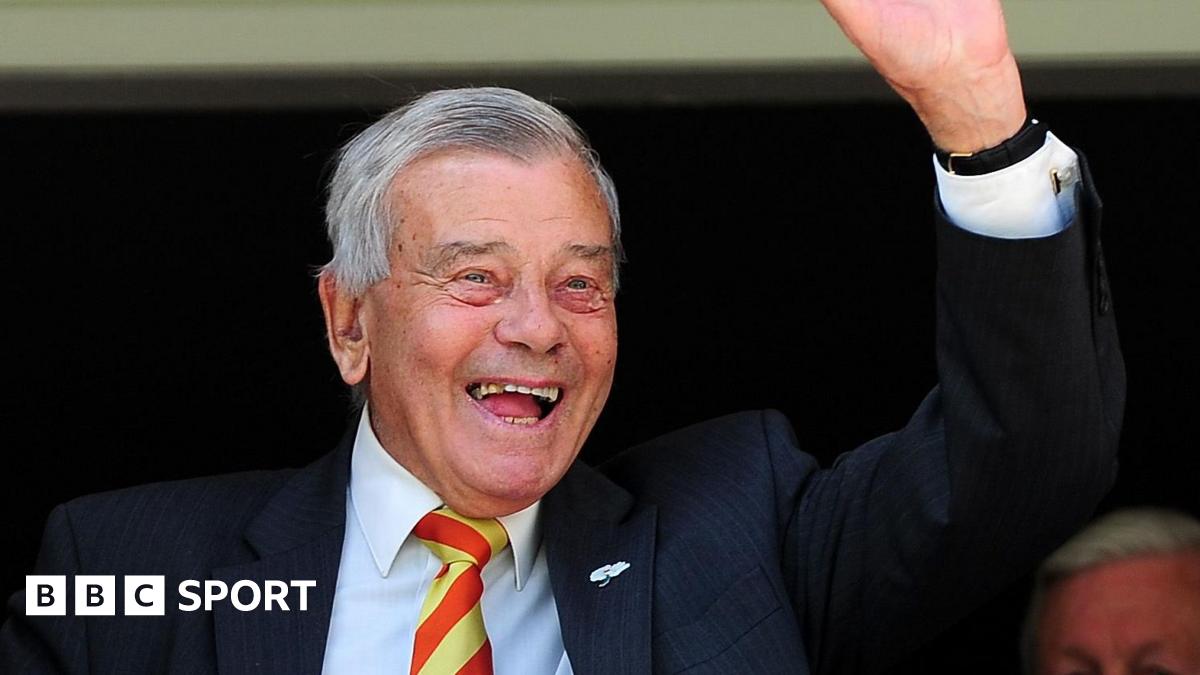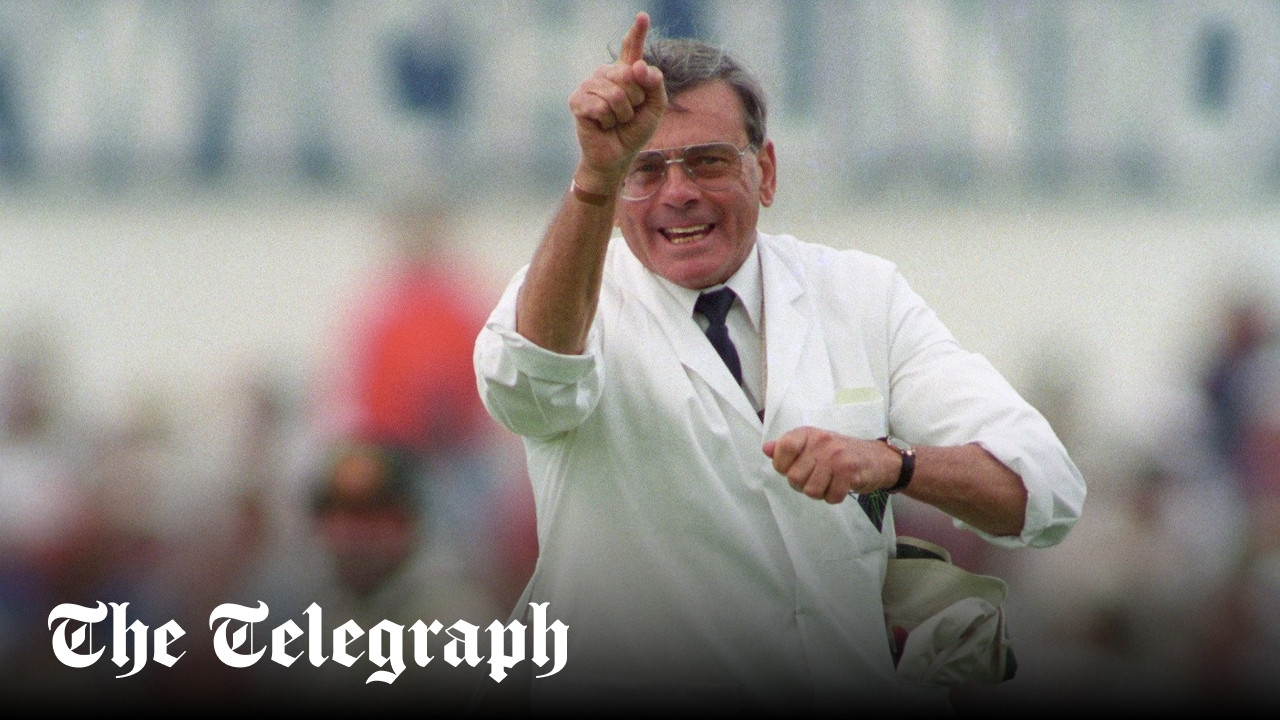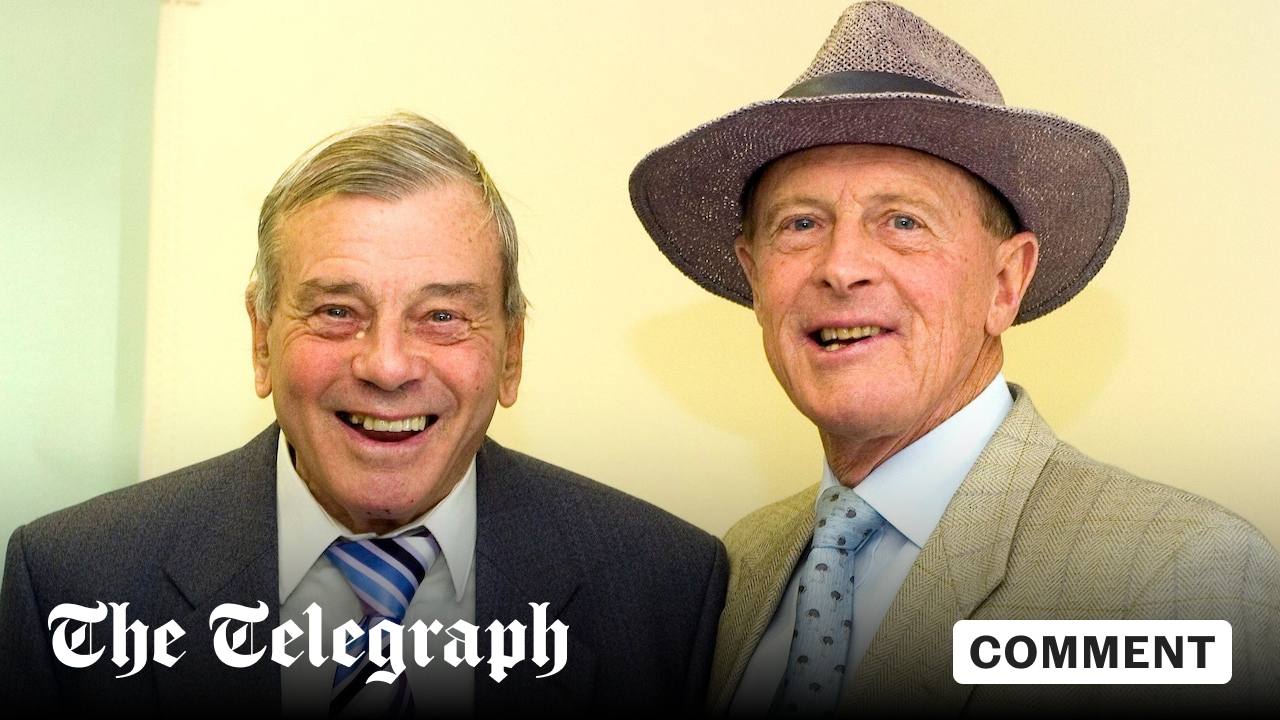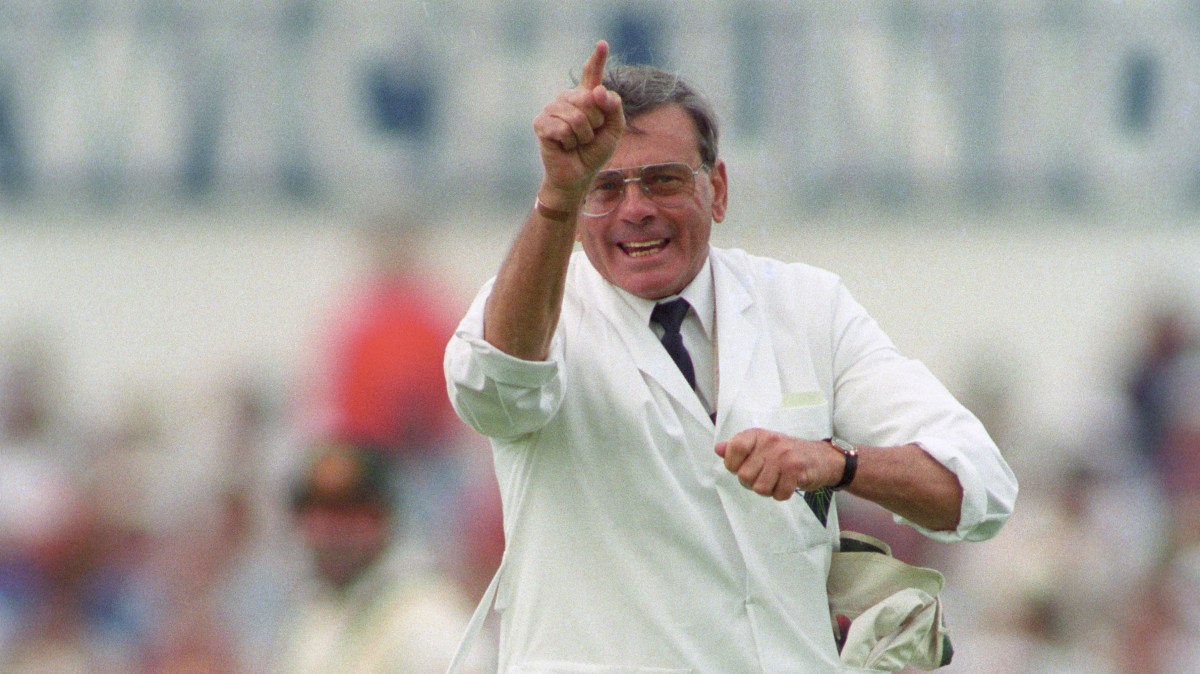
Merv Hughes, the abrasive Australia fast bowler, was shouting abuse at Graeme Hick, the mildest-mannered of England batsmen, during a Test match. Enter the umpire Dickie Bird: “Mervyn, Mervyn, goodness me, why are you swearing at the man? What harm has Mr Hick ever done you? Mervyn, your language is terrible.”
Hughes looked at Bird, all aggression gone, and said: “Dickie, you’re a legend.” And so he was, the first of his profession to attain celebrity status, one of the game’s richest characters and for nearly 30 years as near to infallible as it is possible for an umpire to be.
Bird’s judgment of a snick or an lbw, made in a split-second, was rarely challenged. It was difficult to remember him giving a bad decision. Most of his career was spent before the relentless second-guessing of television technology (a development he deplored, lamenting, “Umpires will turn into robots”) but it is hard to think that the camera would have caught him out very often. If he did make a mistake, he could put it out of his mind immediately and concentrate on the next ball.
Yet Bird was an unlikely candidate for a job that normally required calm under pressure. He was anything but calm. An umpiring stint by Bird was a frenzy of flailing arms and wagging fingers. He fussed continuously, about the bowler’s footmarks, patches of damp on the outfield, the noise of planes overhead — he once stopped a county match for this, saying he would not be able to hear the snicks — and, most notoriously, the light. For Bird, even the merest hint of gloom became an obsession, though he did once suggest that the answer to bad light was “to play in all light, barring something close to Armageddon”.