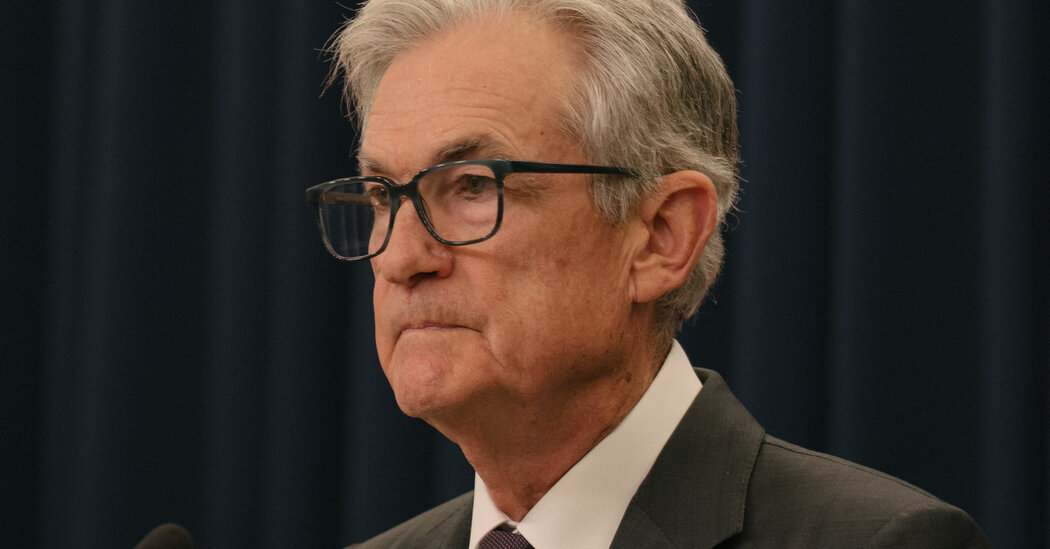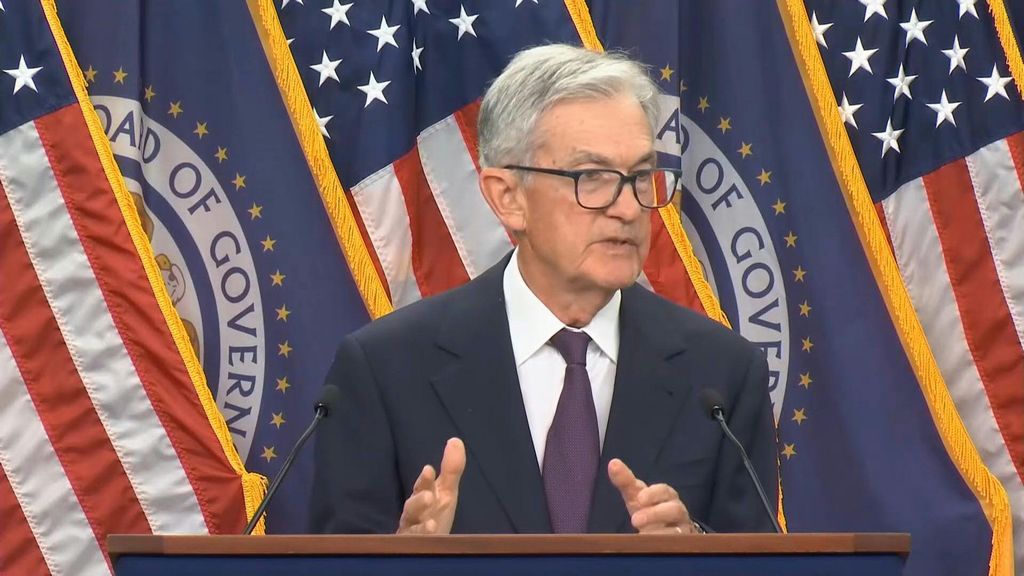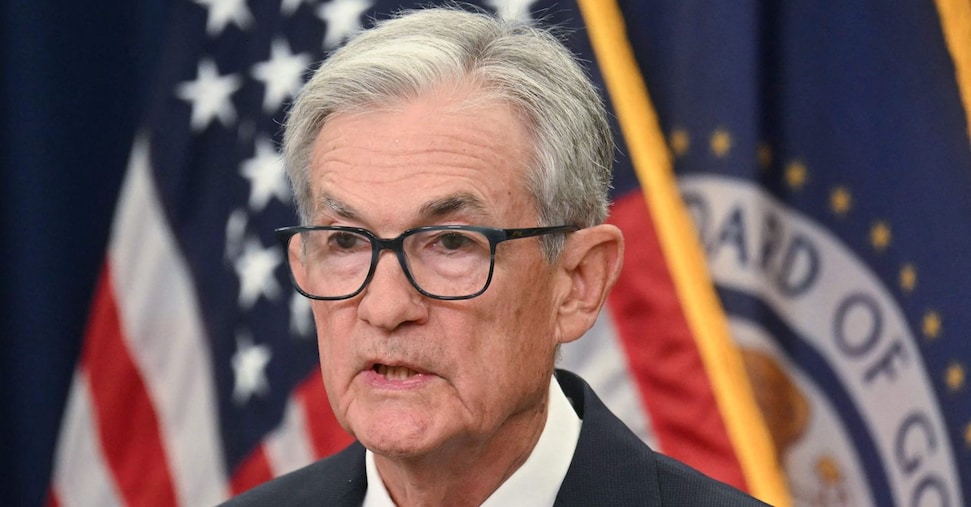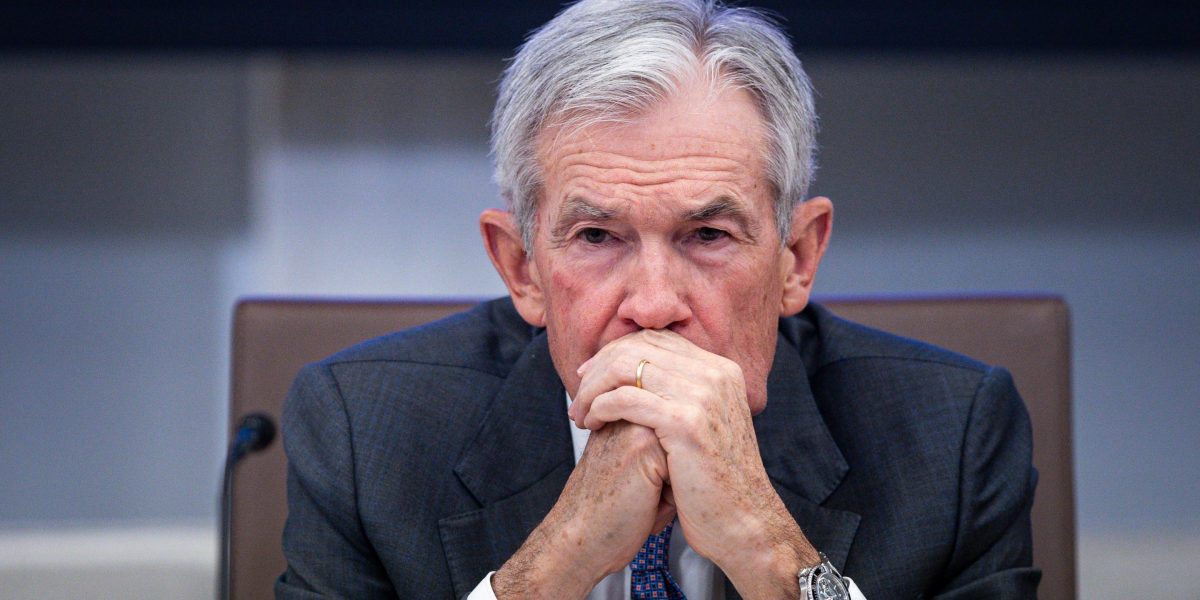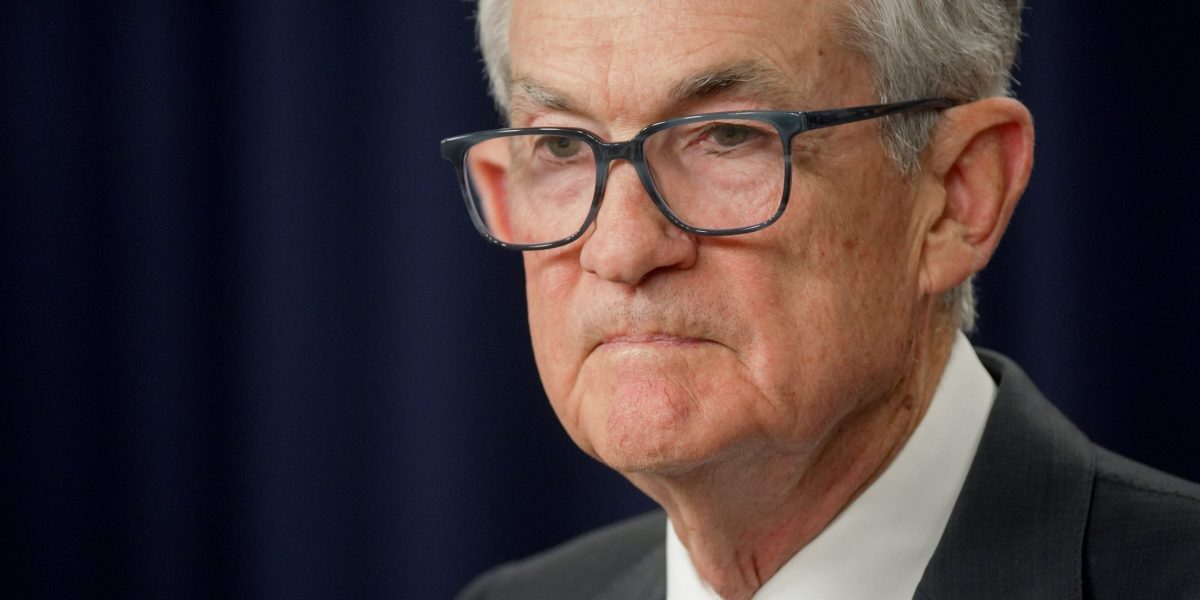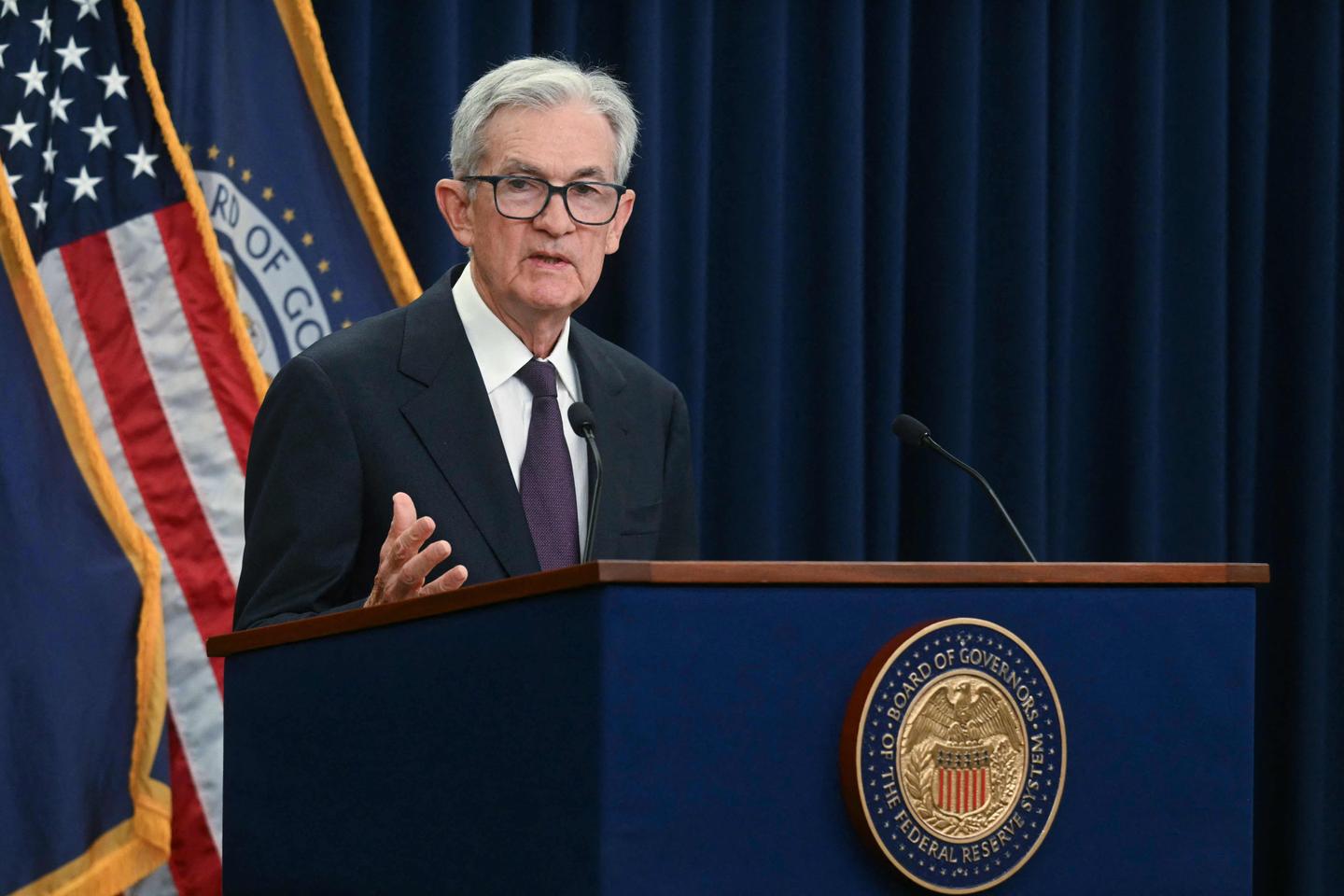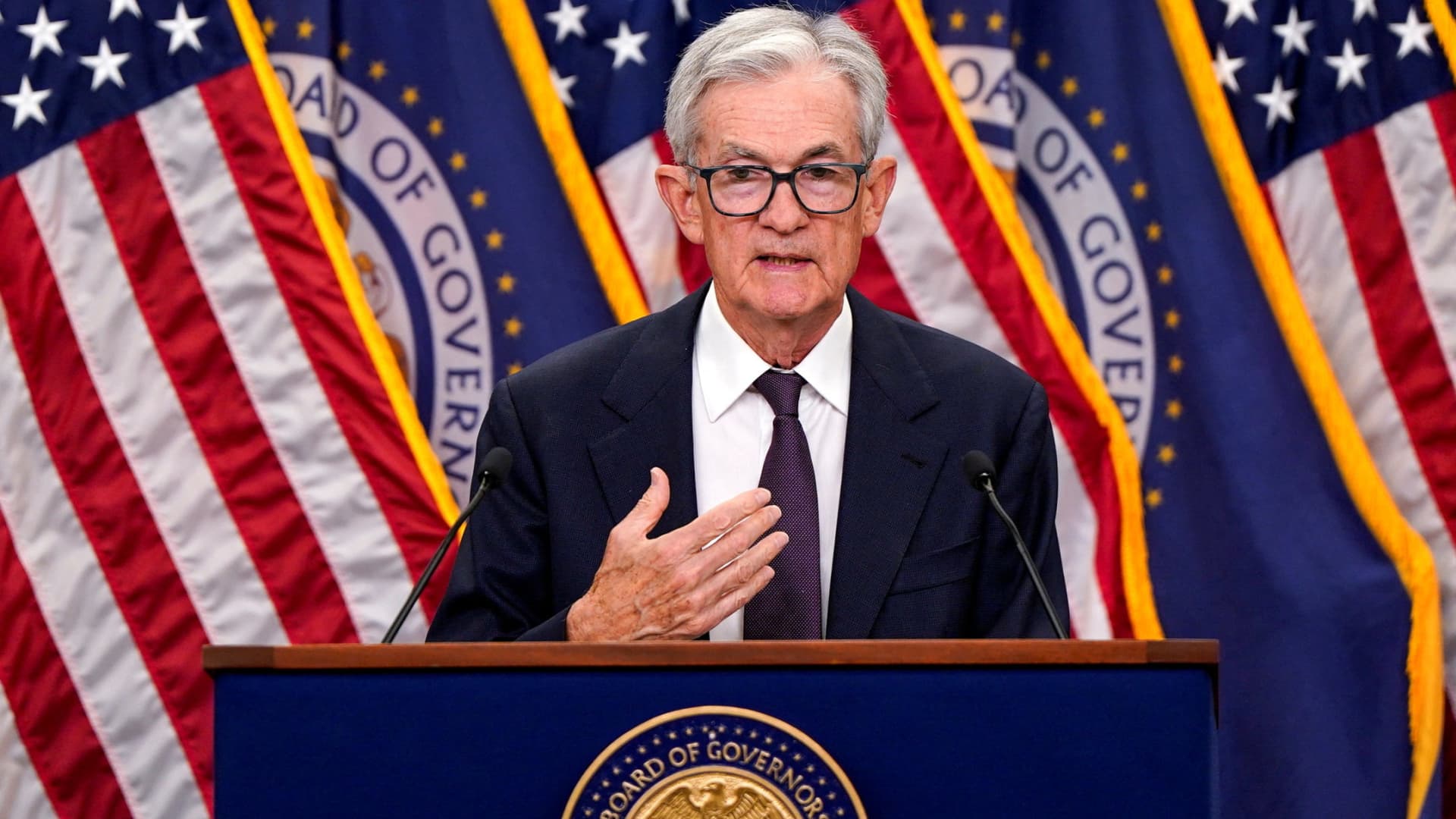
Federal Reserve Chair Jerome Powell said Tuesday that weakness in the labor market is outweighing concerns about stubborn inflation, leading to a decision he backed to lower the central bank’s key interest rate last week.
The Federal Open Market Committee’s first cut of the year came amid signs that both supply and demand of workers is waning at the same time that near-term impact from tariffs has pushed inflation higher.
At such times, Powell said, during a speech to business leaders in Providence, Rhode Island, the Fed’s job is to “balance both sides of our dual mandate” for stable prices and low unemployment.
“Near-term risks to inflation are tilted to the upside and risks to employment to the downside — a challenging situation,” he said. “Two-sided risks mean that there is no risk-free path.”
The conditions Powell described in the speech are consistent with stagflation, in which growth slows and inflation is high. While the current situation is far less severe than what the U.S. encountered in the 1970s and early ’80s, it nonetheless has presented a policy challenge for the Fed.