E
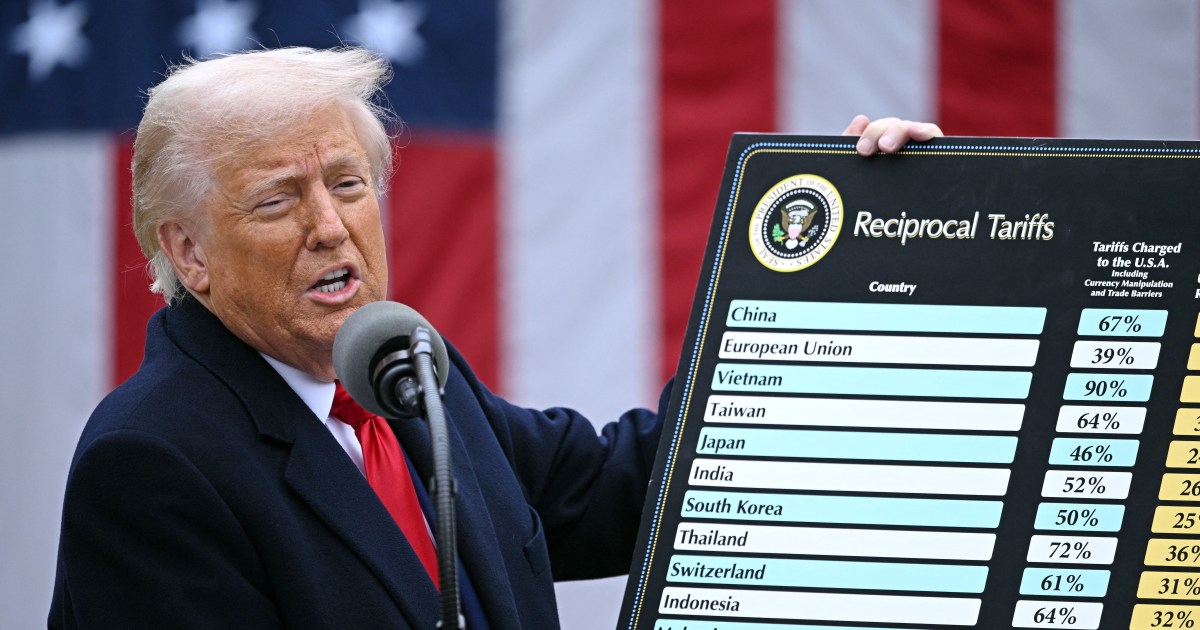
ight months after Donald Trump's return to the White House, clouds have gathered over the US economy. His promise to strengthen America through a peculiar mix of trade protectionism, deregulation, fiscal stimulus, state capitalism and restrictive immigration policies has generated significant uncertainty, now increasingly reflected in macroeconomic data.
US economic growth has clearly slowed. In 2024, gross domestic product grew by 2.8%. In the first half of this year, that pace was cut by more than half. The job market has also lost momentum. Job creation has collapsed since the start of the year and has struggled to keep the unemployment rate steady. Even though unemployment remains low, the number of inactive Americans has risen by 1.2 million since April. Many workers have hesitated to change jobs out of fear that they would not find better opportunities elsewhere.
A majority of Americans elected Trump in 2024 hoping he would boost real wages as he did during his first term, thanks to tax cuts and deregulation. But his border tariffs and expulsions of foreign workers have had the opposite effect. The disposable income of the poorest 10% has plummeted, deepening inequality.
Subscribers only