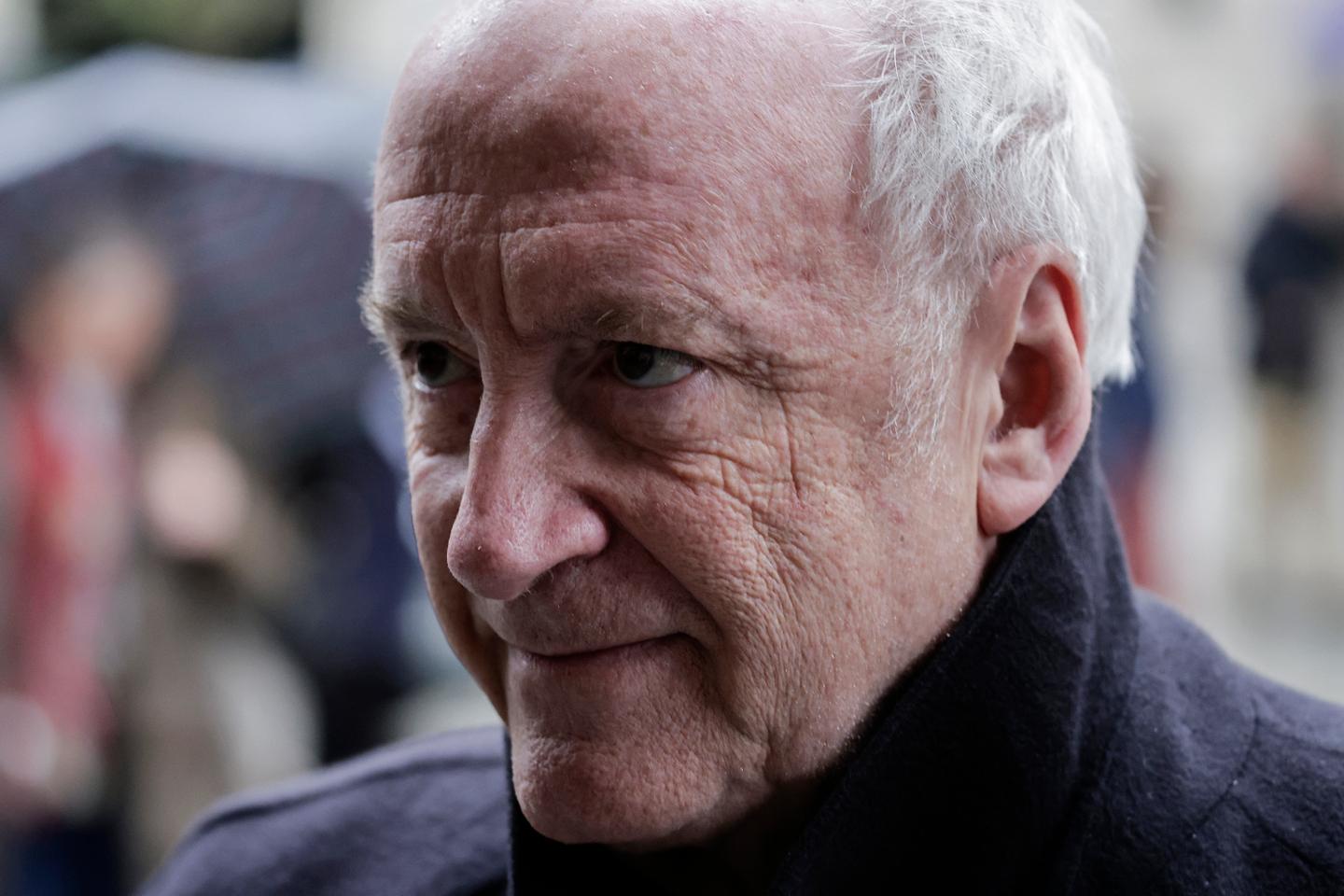
Monique Chemillier-Gendreau, professor emeritus at Paris Cité University and a specialist in international law and state theory, is an advisor to international courts. She is the author of Rendre impossible un Etat palestinien, l'objectif d'Israël depuis sa création ("Making a Palestinian State Impossible, Israel's Objective Since Its Creation," 2025). She breaks down the consequences of the recognition of the State of Palestine by several countries, including France, the United Kingdom, and Canada – all three members of the G7.
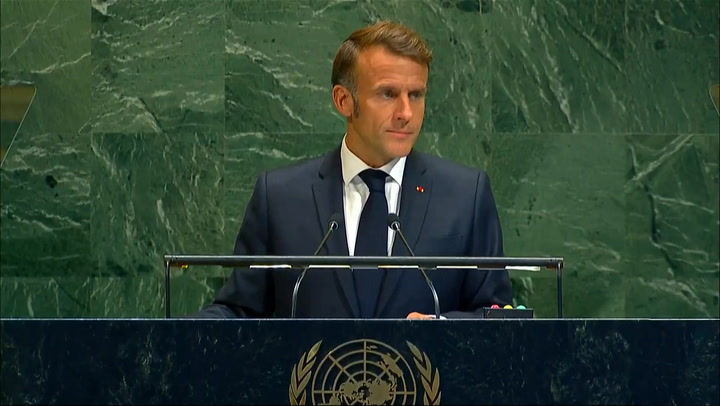
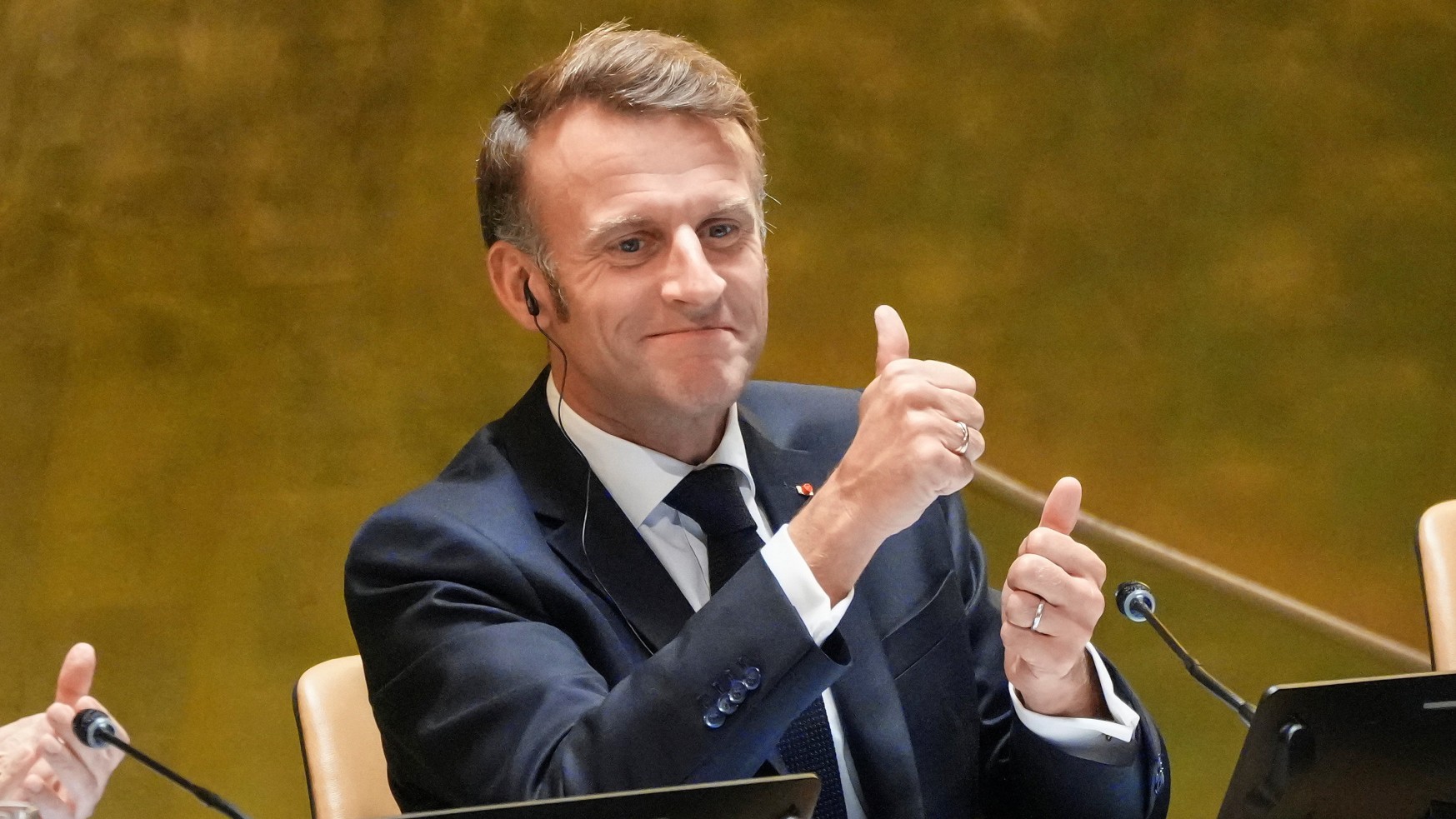
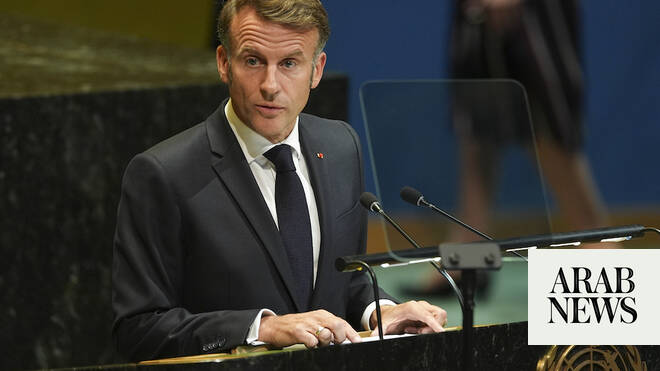
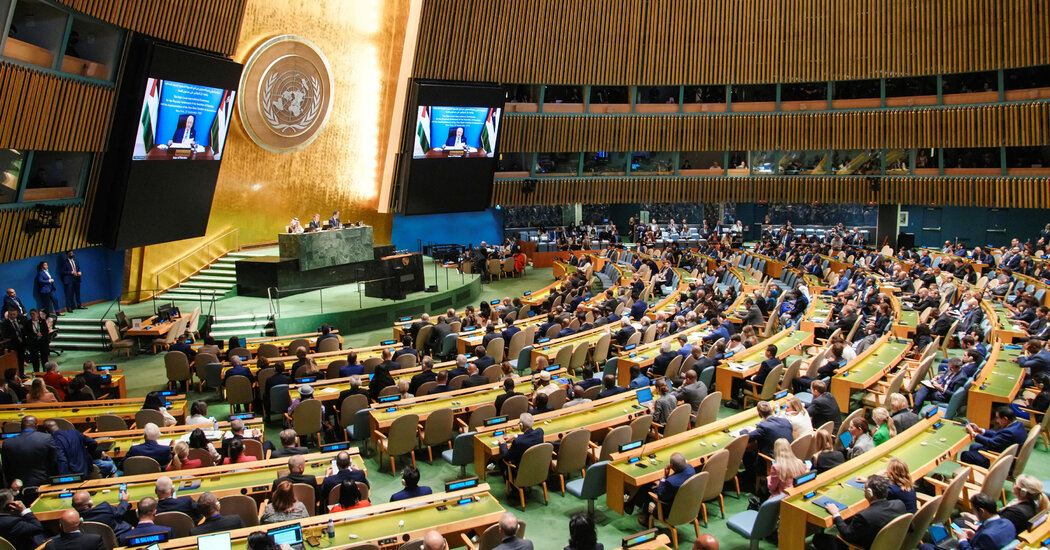
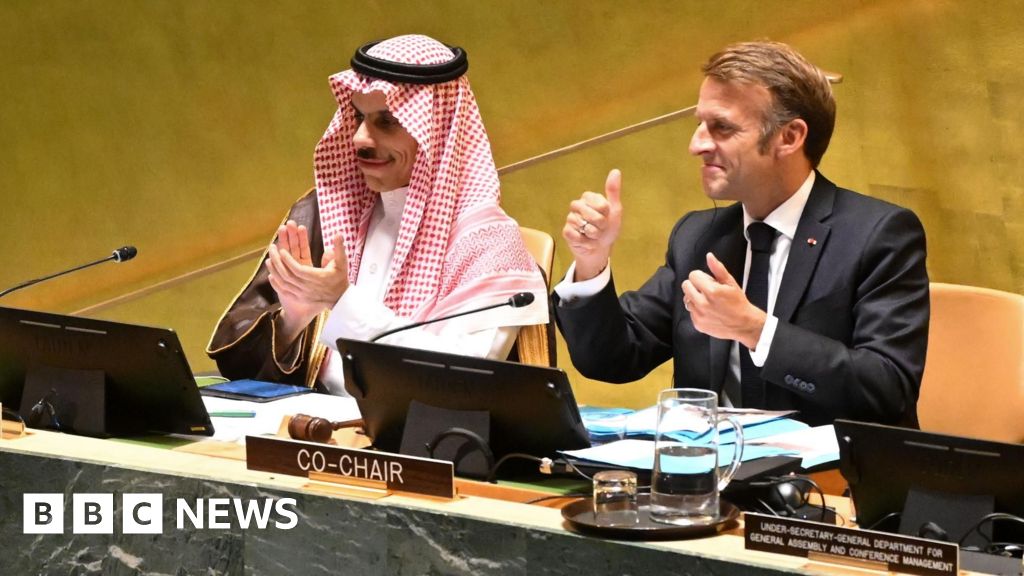
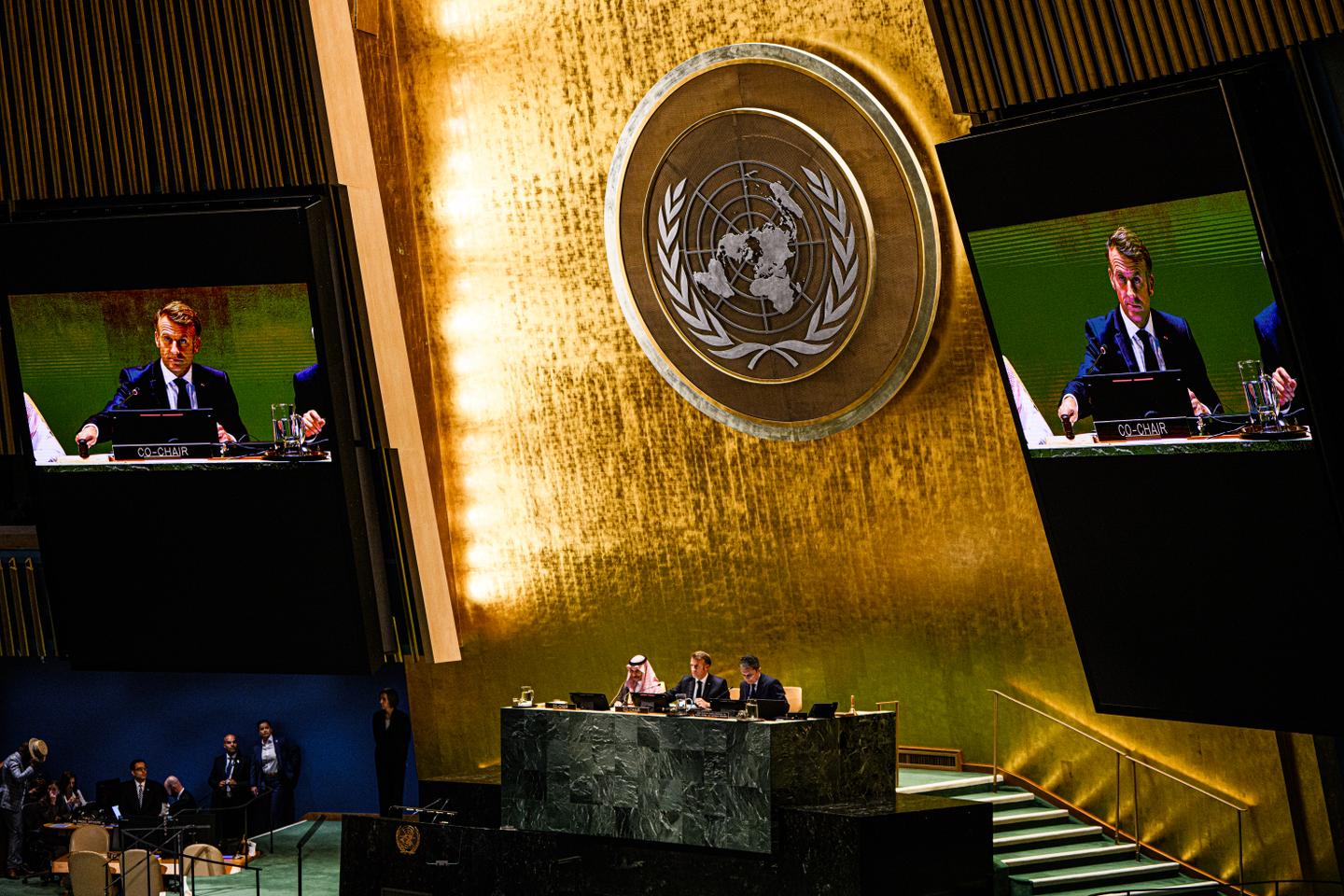
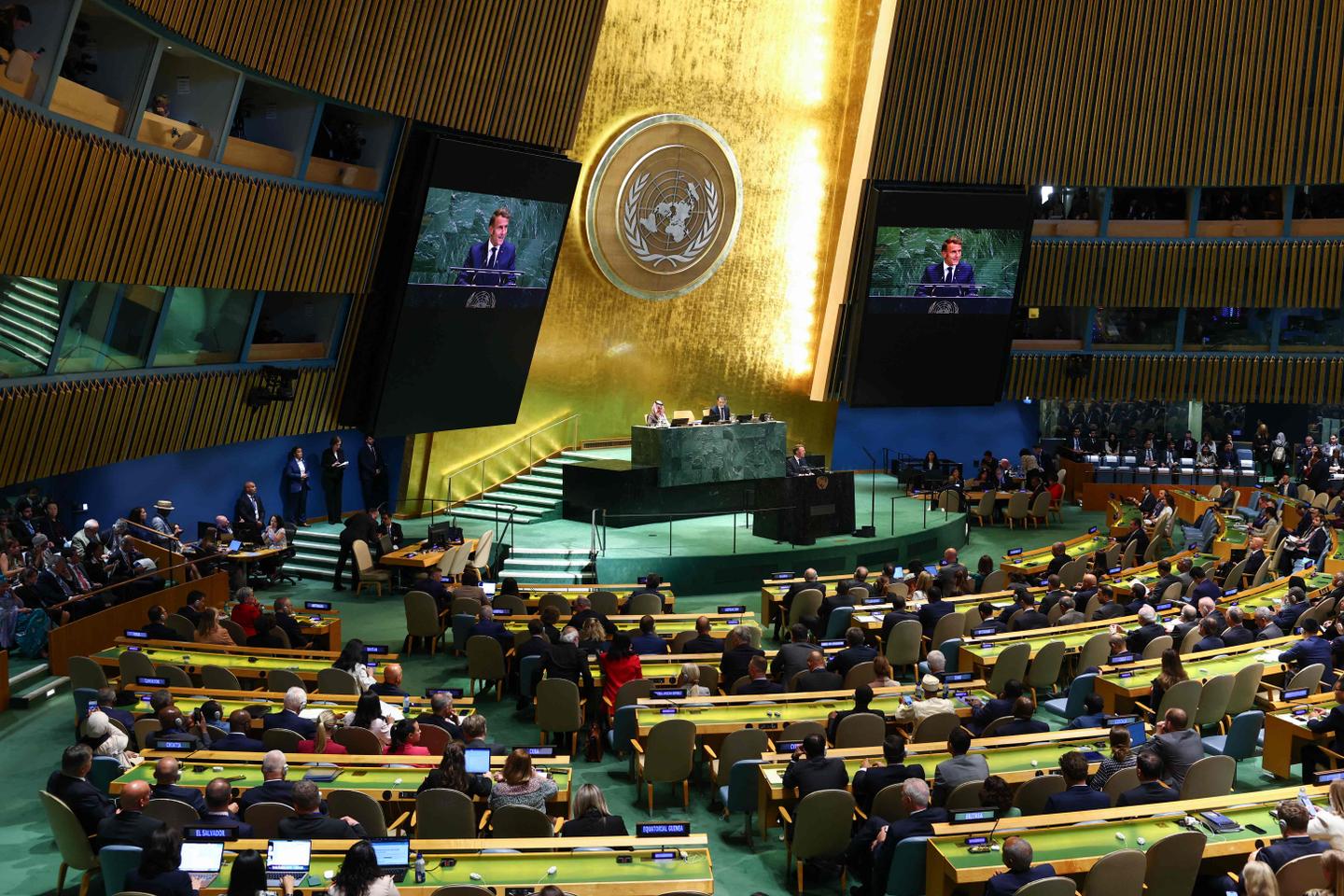
France's President Emmanuel Macron speaks during a United Nations Summit on Palestinians at UN headquarters during the United Nations General Assembly (UNGA) in New York on September 22, 2025. ANGELA WEISS / AFP
What could this new wave of recognition of Palestine change?
My first reaction is this: It is too late and too little; too late, because these new countries that have just recognized the State of Palestine have allowed Israel to systematically destroy, over decades, the foundations of that state. While the symbolic act of recognition will undoubtedly offer a sense of superficial satisfaction, it will not have much effect. It is too little, as many more actions are needed to fulfill the promises contained in all the commitments of international law toward the Palestinian people. Israel will only yield under pressure.