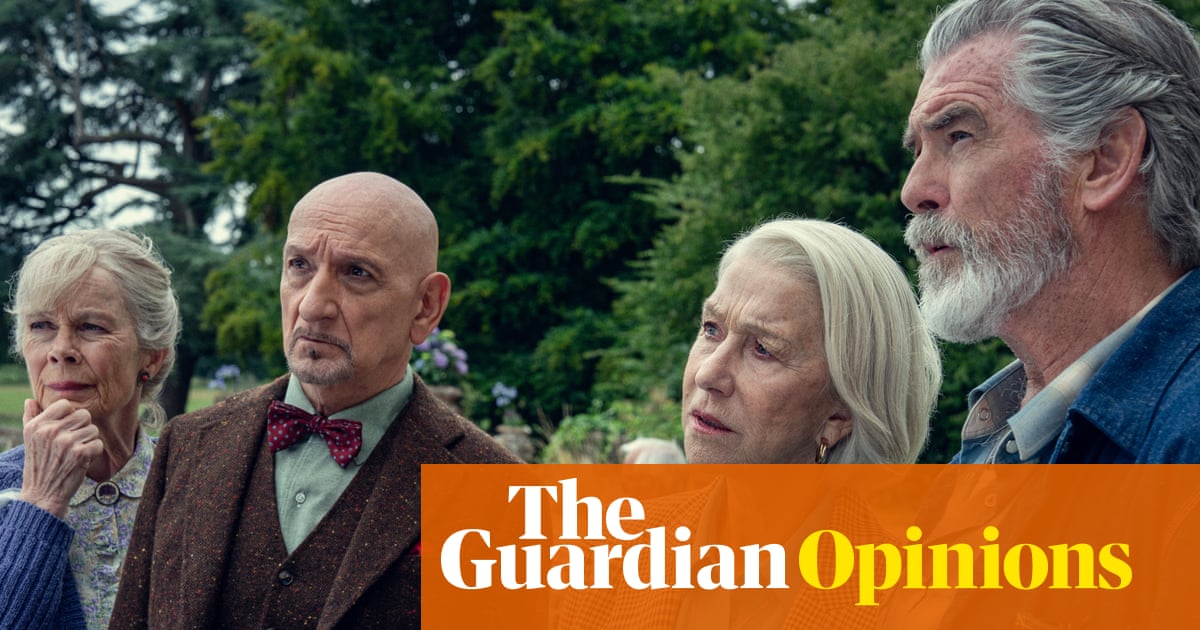
There’s been a dramatic increase in actors of pensionable age playing starring roles in movies – but why are the three Fs the only personalities they get to play?
A
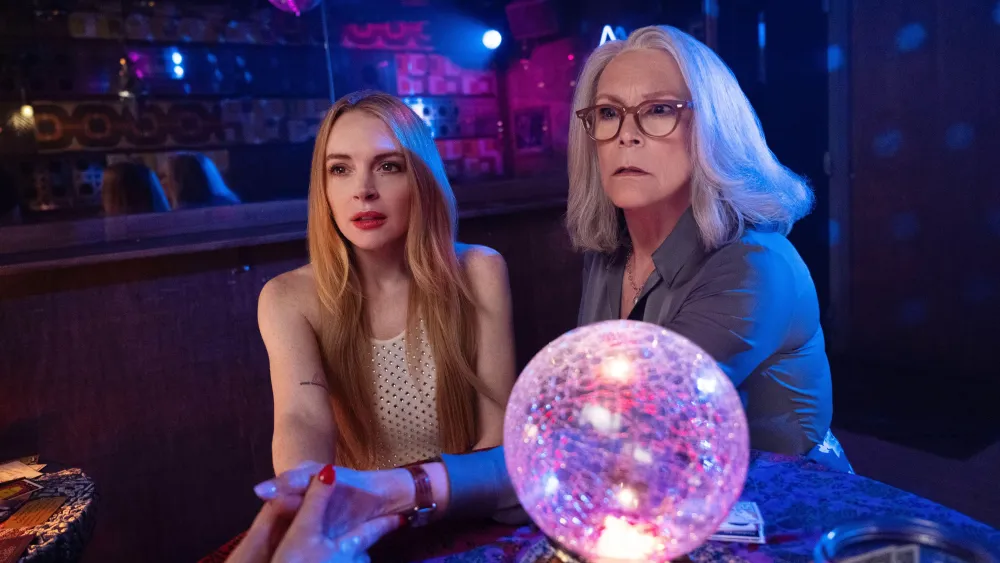
decade and a half ago, in 2009, I watched over 300 films, and I counted only three featuring senior citizens in significant roles. But the times they are a-changing, because leading characters of pensionable age are all over the place nowadays, whether solving crimes in The Thursday Murder Club; turning the tables on swindlers in Thelma or The G; wrestling with unreliable memories in The Father or Familiar Touch; or preying on other inmates or staff in The Home or The Rule of Jenny Pen.
Not long ago, the screen was monopolised by smooth-skinned teens and twentysomethings, but now it has been infiltrated by creased faces imbued with the sort of personality that can only be accrued over decades of experience and with minimal recourse to cosmetic surgery. And not just as non-player characters but in starring or pivotal roles in the narrative; no longer to be condescended to and patted on the head simply for lasting the course, but as people just like the rest of us. Real people!
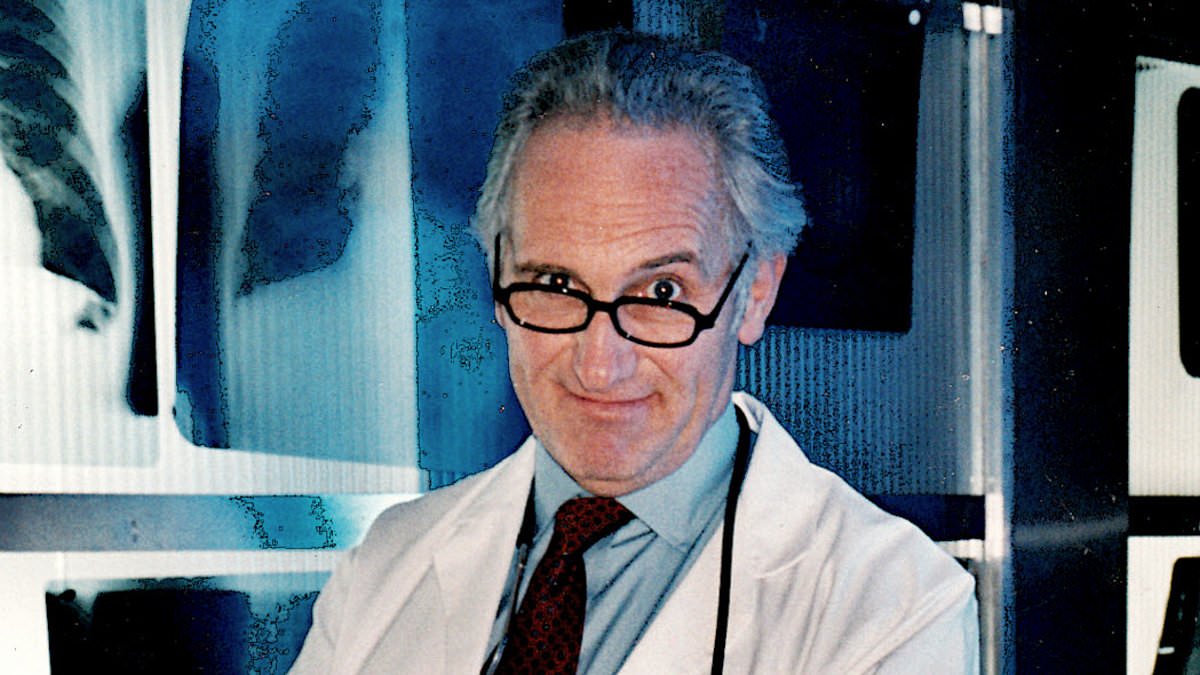
Which is not to say older characters are never stereotyped. Recent examples tend to be one of three kinds: feisty, frail or fiendish. Feisties hatch plans, solve murders and fight back against injustice, sometimes with the help of younger relatives who teach them how to use the internet. Frails are on a downward slide into dementia but their condition is treated with sympathy and respect, as is the plight of their relatives and carers. Meanwhile the Fiendish are egomaniacal miscreants who exploit, terrorise or kill. I sometimes wonder if it might be better to be a Fiendish than a Frail, though I would probably incline more towards Monty Python’s Hell’s Grannies, handbagging pedestrians out of the way, than, yuck, sucking the essence out of young people’s eyeballs.