By JADA BAS, REPORTER Published: 10:53 BST, 22 September 2025 | Updated: 01:58 BST, 27 September 2025
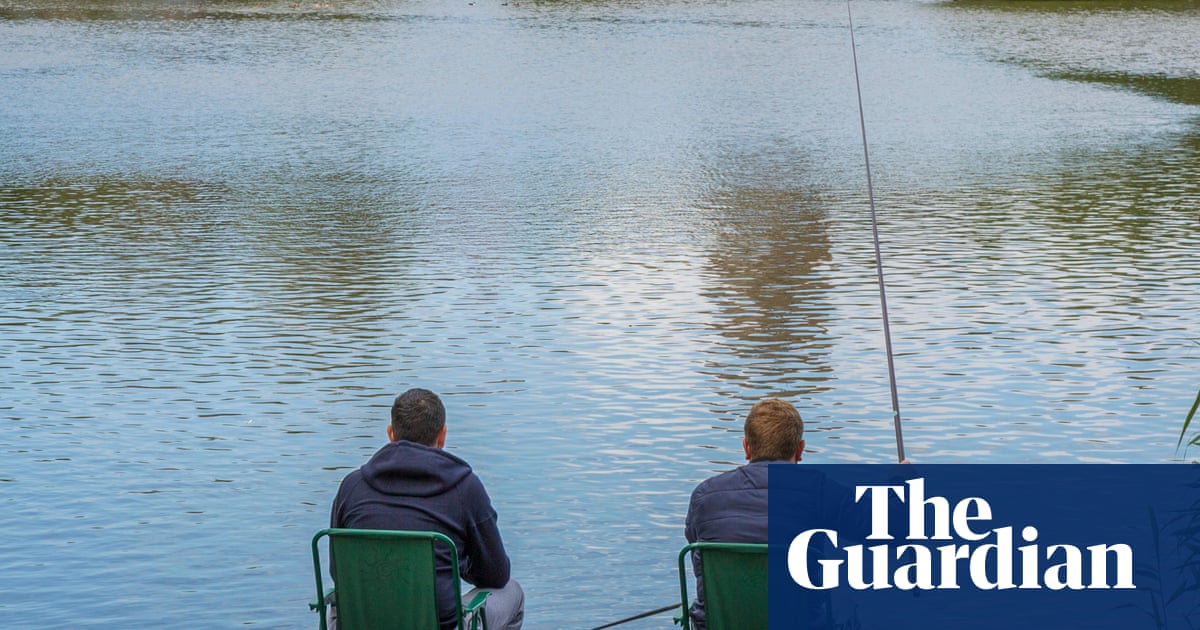
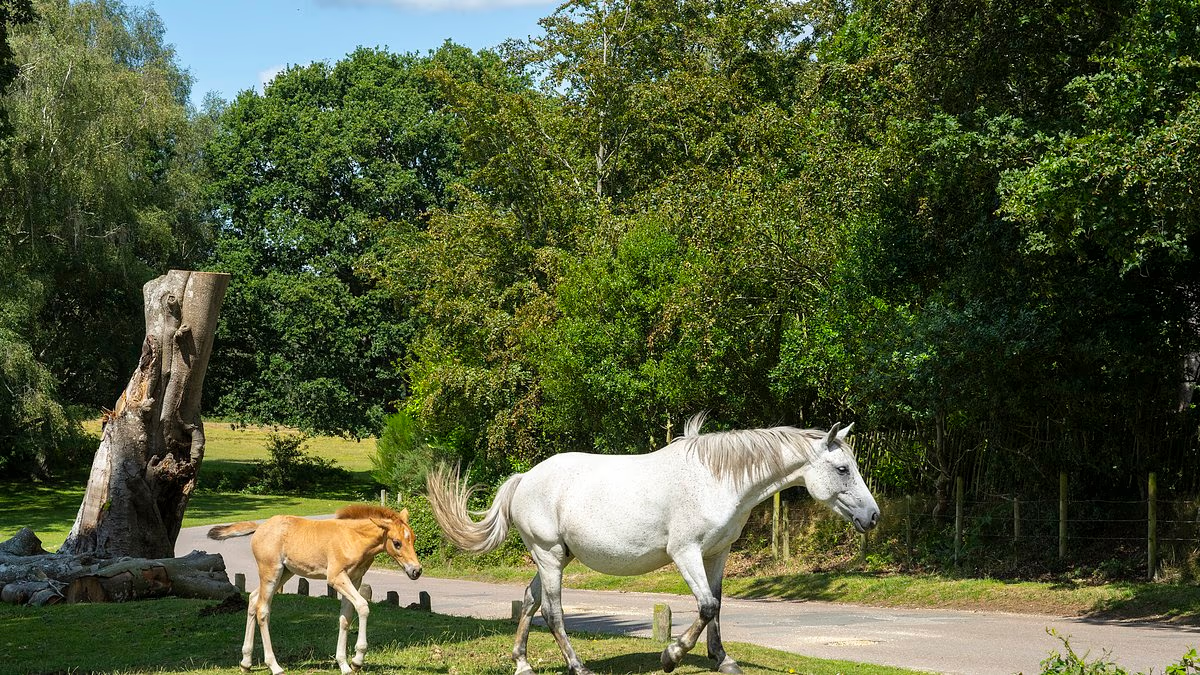
Rural councils have been branded 'absurd' after banning countryside activities like petting ponies and nighttime fishing - with flouters risking fines of up to £1,000. Councils across the country have come under fire for using Public Spaces Protection Orders (PSPO) to restrict 'wholesome' nature activities by claiming to protect the environment and limit anti-social behaviour.But campaigners say the orders are being misused as a way to criminalise behaviour that is inconvenient rather than harmful.An enjoyable day out of feeding and petting of ponies, horses, mules or donkeys could land you with a £1,000 fine after it was introduced by New Forest district council in 2023.Meanwhile in Elmbridge, Surrey, fishing enthusiasts are prohibited from angling overnight between the hours of 7pm and 7am.And those who wish to go metal detecting in Lincolnshire must now apply for a permit. Josie Appleton, director of civil liberties group Manifesto Club, said the strict limitations on outdoor activities could put young people and school groups in danger of being criminalised.'These orders are often introduced with little consultation, and the result is a countryside increasingly littered not only with signs but with criminal offences – some of them absurd on their face. Petting ponies and nighttime fishing are just some of the traditional countryside comforts which could cost you £1,000 as they have been hit with an 'absurd' ban. Pictured, ponies in New Forest, Hampshire Meanwhile in Elmbridge, Surrey, fishing enthusiasts are prohibited from angling overnight between the hours of 7pm and 7am. Pictured: Elmbridge Meadow'What we're seeing is a creeping culture of control, where normal, often wholesome activities are redefined as offences,' she told The Guardian.Wild swimming has also been under attack in certain parts of the UK.Officials in Abbots Pool, Somerset have said anyone caught individual swimming, including wading could be prosecuted with a punishment of a £75 fine.And in North Lincolnshire swimming outside a club context has been banned as campaigners say councils have failed to provide legitimate reasons for imposing the restriction.Imogen Radford, from the Outdoor Swimming Society, said: 'The PSPO legislation states that there has to be an actual problem affecting local people before it can be enacted. The idea that wild swimming is anti-social blows my mind.'While in Dorset, Worthing, Sefton in Merseyside, and parts of the Lake District, anyone found wild camping or sleeping on a beach will be criminalised by the councils' PSPOs.Critics say the influx of PSPOs are an attempt to govern the public by 'controlling harmless behaviour'.The named councils were all contacted for comment. Worthing Borough Council said: 'We use public space protection orders to deal with specific issues that negatively affect the quality of life of members of our community.'Since 2016 there has been a public space protection order in place to tackle unauthorised camping on a section of green open space in Worthing known as Goring Greensward.'We believe it has been successful as a deterrent so earlier this year we consulted our residents again about the camping order at Goring and they supported keeping it in place.'A North Somerset Council spokesperson said: 'Abbots Pool is a valued wildlife spot used by thousands of people who visit for its tranquillity, being with nature, valuing the wildlife and enhancing well-being. 'One individual swimming does not cause harm. But, it isn't just one person – it can be hundreds. So, this number of people swimming, using the area as a toilet and littering does harm the site and other users' enjoyment.'We politely asked people to stop swimming before, but unfortunately this didn't work. A stronger mechanism is now required in order to protect the area.'