Until politicians address and improve the lives of all working class women – white and ethnic minority – these advances will feel minimal
T
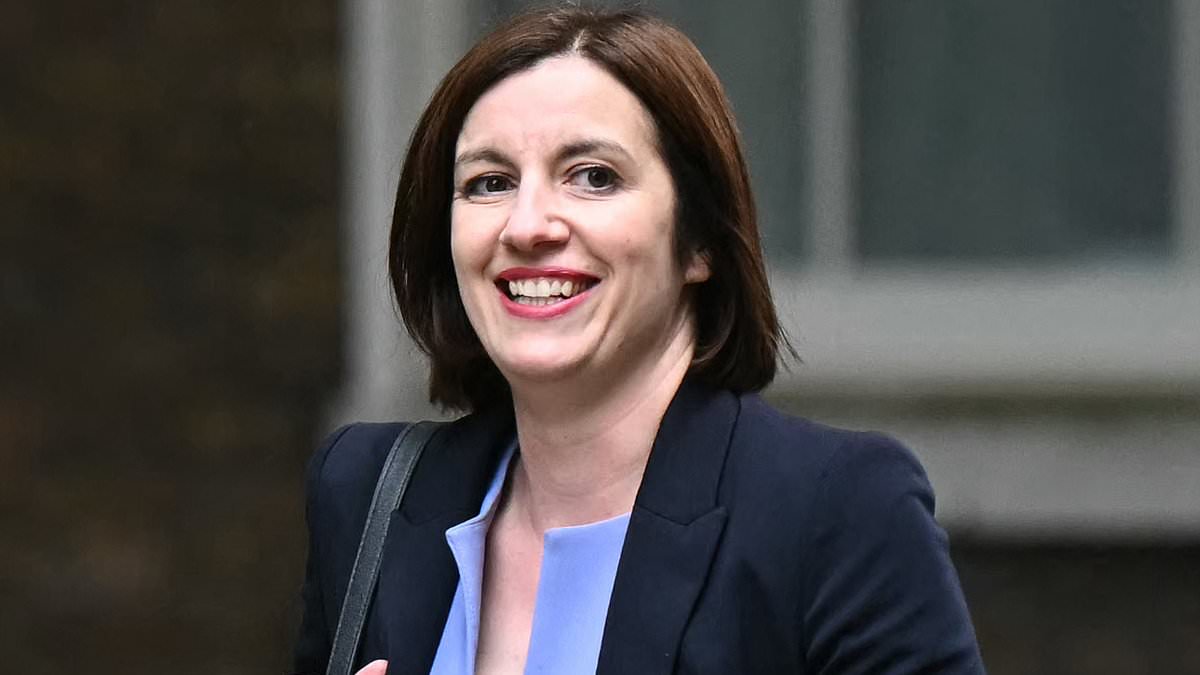
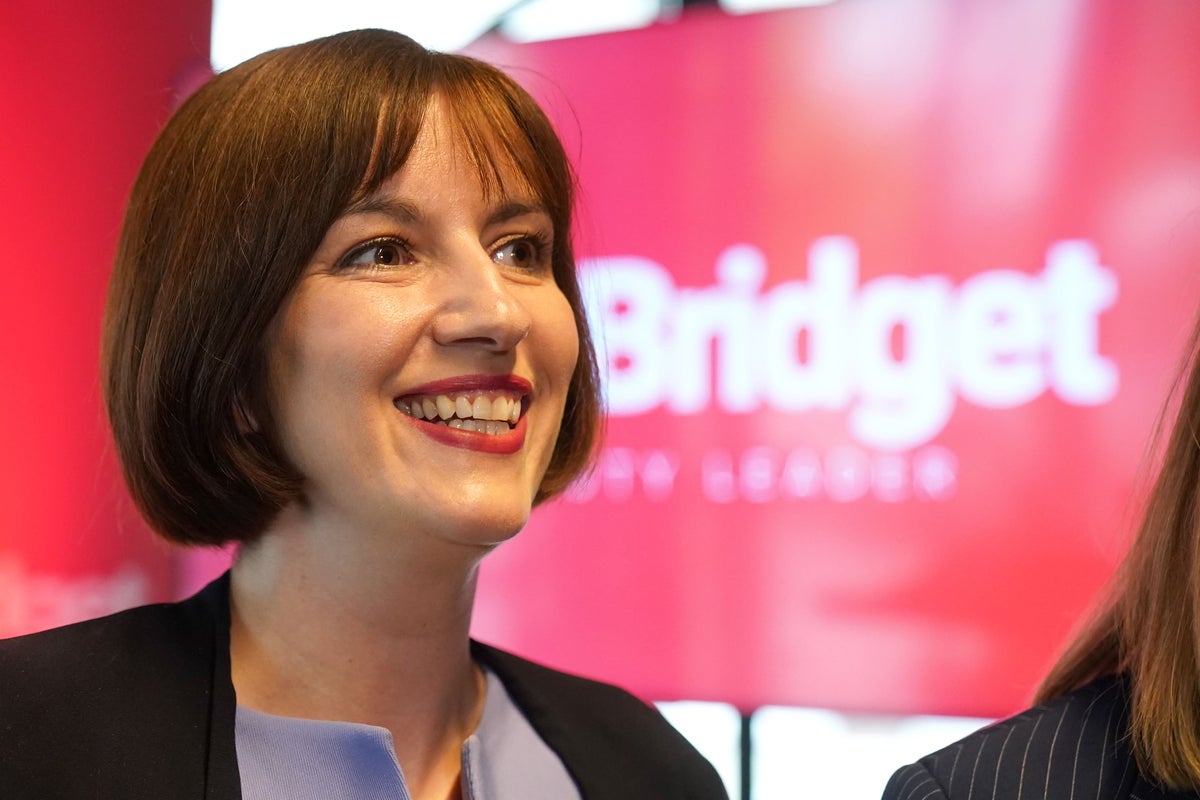
he scramble to replace Angela Rayner as deputy leader of the Labour party is well under way. Apparently, it’s inevitable the role will go to a candidate with similar claims to Rayner in terms of that much-vaunted quality, authenticity. Whether Bridget Phillipson or Lucy Powell, the next deputy leader will also be a woman from a working-class family from the north of England.
In reality, each of their journeys to Westminster (via, crucially, Oxford) differ wildly from that of Rayner and, by extension, from the lives of the majority of working-class women. Those who have pursued these rare routes of social mobility are undoubtedly impressive, but they remain a small minority. I am one of these women, and I am happy to admit it.
In any case, representation cannot stand in for meaningful policy change. Working-class women have rarely had it so hard. The two-child benefit cap persists in facilitating child poverty in the UK. It is working-class women who bear this burden. These same women compensate for our as yet unreformed and failing social-care system and are far more likely to fall victim to insecure, poorly paid employment. Earlier this year, the Joseph Rowntree Foundation warned that economic growth alone would not be enough to change things for those (disproportionately women) living in relative poverty. So far, this government has done too little to help them.