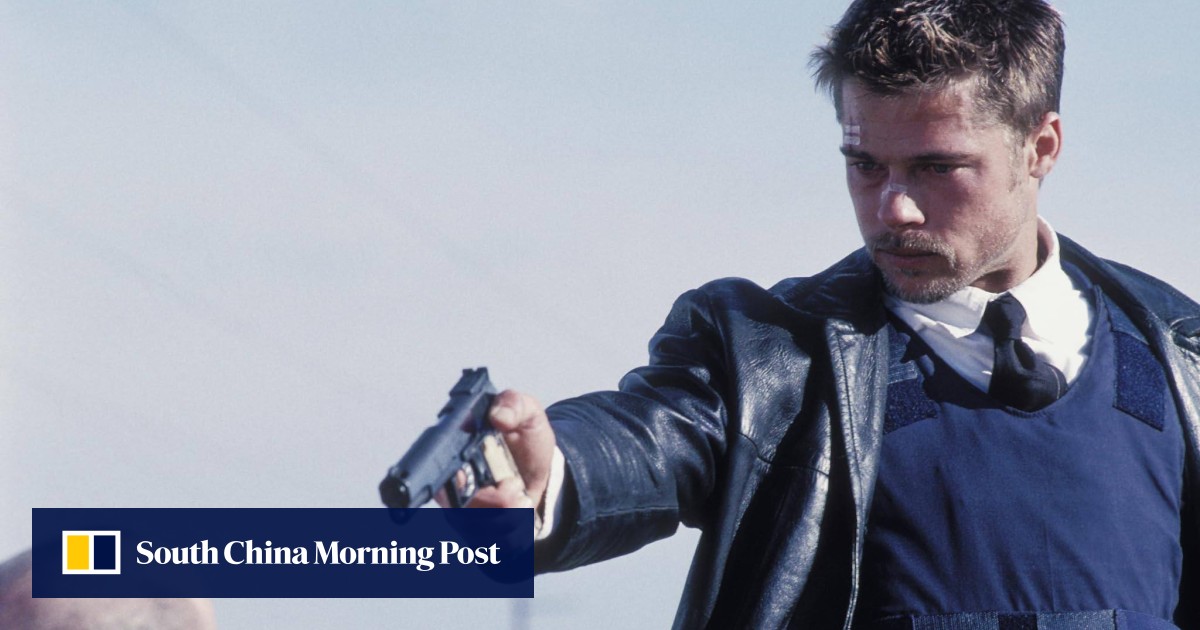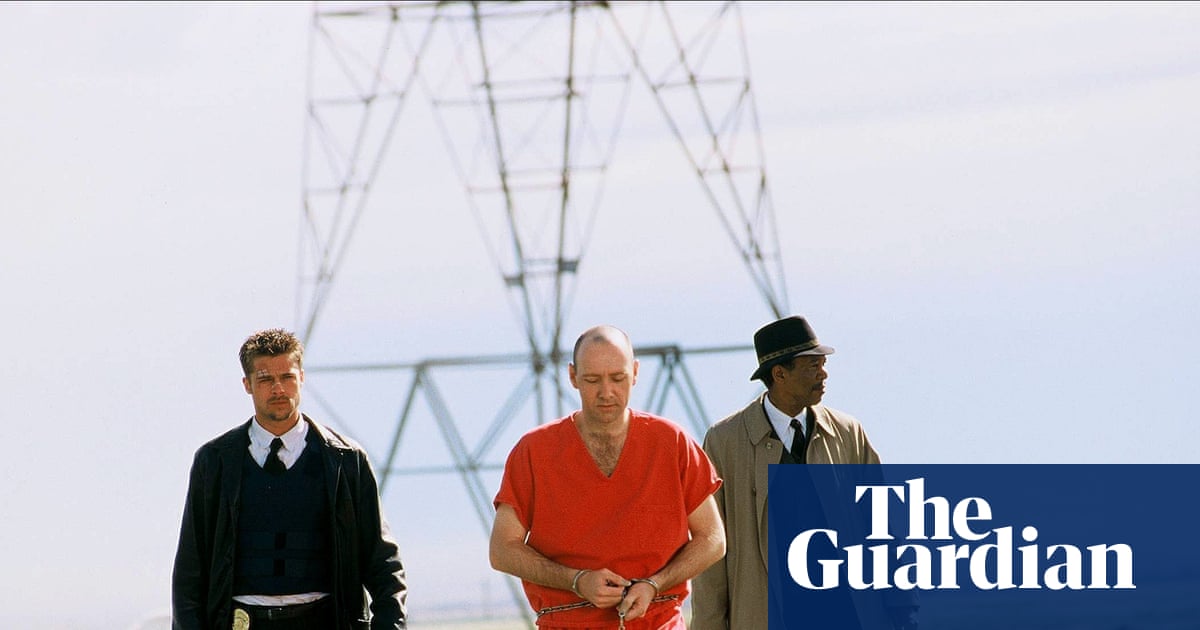
The grim serial killer hit dared to take a mainstream audience to a hopeless place despite pressure from executives and test screenings to sanitise
It had to end with the box. It nearly didn’t.
Before David Fincher received a draft of Andrew Kevin Walker’s script for his 1995 psychological thriller Seven, he’d sworn off the possibility of ever directing again, still reeling from his notoriously rocky experience on his debut feature, Alien 3, which had ultimately been taken out of his hands. (“I’d rather die of colon cancer than make another movie,” he colorfully put it.) Walker’s script had already gone through various permutations since 1989, most notably a twist ending that had been written out of subsequent drafts for being irredeemably bleak. Yet, the original version was the one that Fincher read and he was unwilling to compromise, despite persistent pressure from executives and test screenings that seemed to confirm that it was too bleak an ending.
Now 30 years later, Seven is proof that audiences don’t know what they want until you give it to them. Or that all audiences are not the same, even if Hollywood is often desperate to appeal to everyone at once. There have been so many hacky imitations of the film since – so many that have mimicked its neo-noir edginess and its baroque depiction of serial murder – that it can be hard to remember the impact the film had at the time, when there was nothing else quite like it. While The Silence of the Lambs had legitimized this sort of grisly undertaking, it nonetheless took place in a world where evils could be banished and traumas eased. Fincher’s urban hellscape suggests another level of malevolence, a world embodied more by its sinister villain than hard-nosed detectives out to stop him. Maybe it was a place viewers recognized.