W
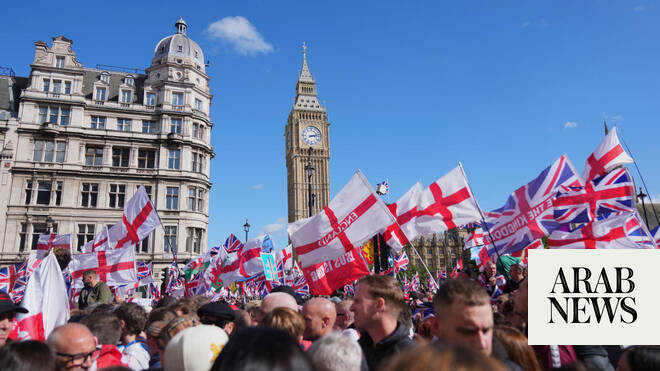
arnings about the state of democracies have been plentiful in these times of widespread destabilization. Yet the xenophobic slogans chanted by more than 110,000 protestors on September 13 as they marched in the center of Westminster, the seat of British power, rang out like an alarm bell. Historically, the United Kingdom has been a country whose parliamentary democracy is seen as deeply entrenched and whose people − proud of their resistance to Nazism − consider themselves to be immutably "moderate" and resistant to extremism. And yet, the far right now occupies the streets and threatens to take power through the ballot box. The nationalist agitators who clashed with police, shouting "send them back!" in reference to foreigners, have now joined forces with the growing ranks of voters who support the anti-immigration party Reform UK.
Subscribers only
UK's far right mobilizes around asylum crisis: 'I don't want to pay for them anymore'
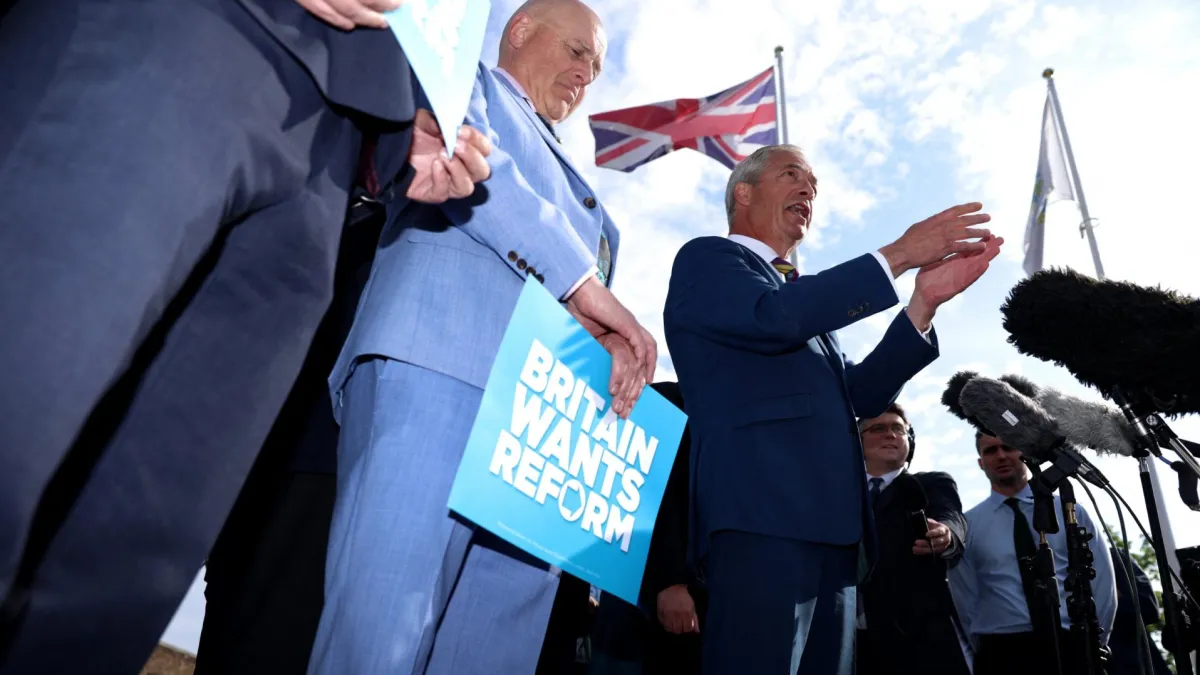
Polling at 31% of voting intentions, the party − led by Nigel Farage, who inspired Brexit − currently leads by a wide margin, far ahead of the ruling Labour Party (20%) and the Tories (16%). This is unprecedented in a country with a century-long uninterrupted tradition of power transfers between the two major parties.