Rope skipping may be finding a place in Hong Kong, while the layered history of Angkor continues to thrive, and Goa takes on new charm
One of my childhood regrets is never learning how to jump double Dutch. By the 1990s, I’m not sure it still guaranteed you cool-kid status (a few decades earlier, I imagine it might have). Still, there’s something undeniably impressive about skipping rope. There’s a level of agility that suggests you might just be a little more on it than everyone else.
What was once playground filler is now recognised as an athletic endeavour in its own right and, crucially, something cool kids do. The city has become a global powerhouse for the sport, thanks to a mix of social media savvy, relentless training and, something I never thought I’d credit, Hong Kong’s limited space.
From fast feet to ancient steps, Thomas Bird retraces the layered history of Angkor in Cambodia. He revisits the former Khmer capital through the lens of Zhou Daguan’s 13th century travelogue, a rare surviving account that has shaped how the city has been understood, curated and consumed, from the region’s history as a French colony to modern-day tourist mecca.
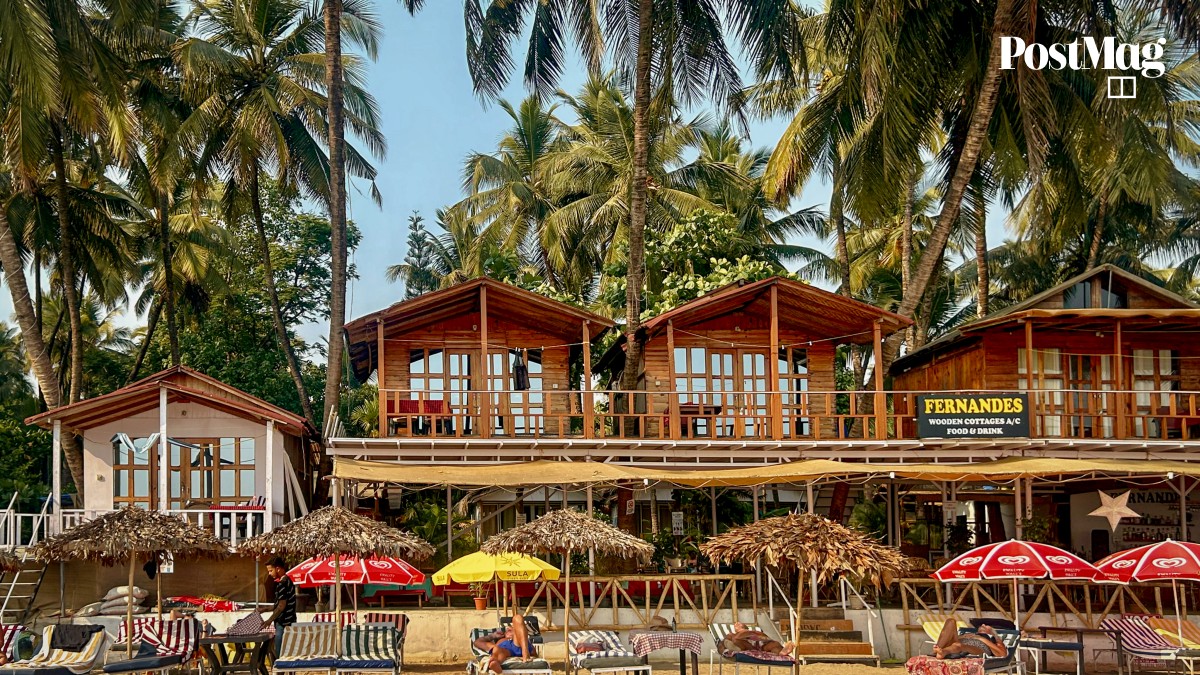
Then there’s Goa. Or rather, the version of Goa that lives in collective nostalgia: psy-trance raves, dirt-cheap food and naked dancing on the beach. Ian Lloyd Neubauer returns to these Indian shores after 30 years to find a place that’s been reshaped by domestic tourism, development and social media. But he also discovers Palolem Beach, which still holds some of the slow, easy charm that first pulled him in.