It's something police officers do every day, but the fear of something unexpected and tragic never goes away, David Sarni said.
Sarni remembers executing countless search and arrest warrants during his time as a detective with the New York City Police Department. No amount of research into the suspect or surveillance could make the nerves go away.
"You expect the worst, but hope for the best," said Sarni, now retired from policing and an adjunct professor at John Jay College of Criminal Justice.
Serving warrants requires officers to arrest a person suspected of committing a serious crime or secure crucial evidence, both situations that up the chances that a dangerous suspect might be lying in wait.
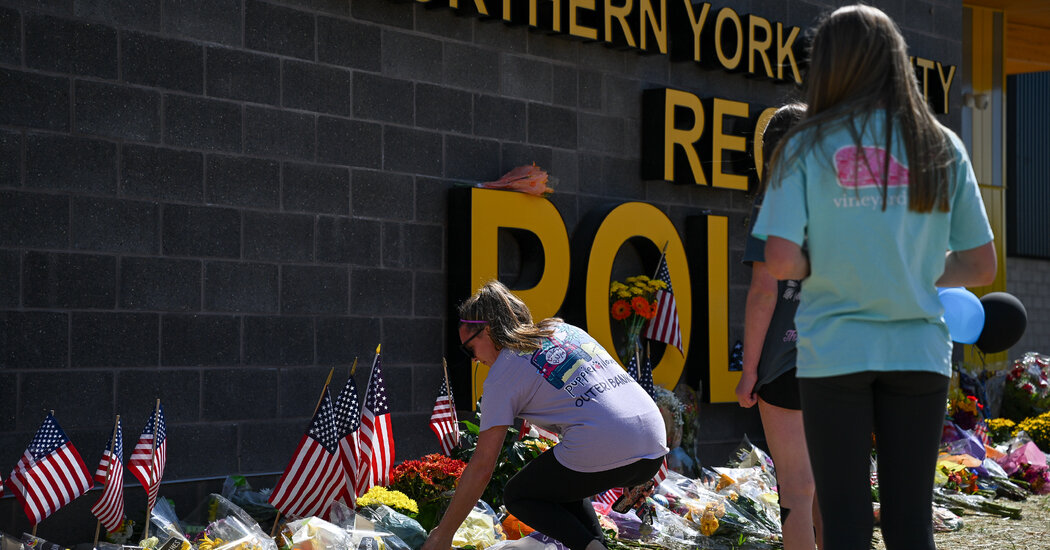
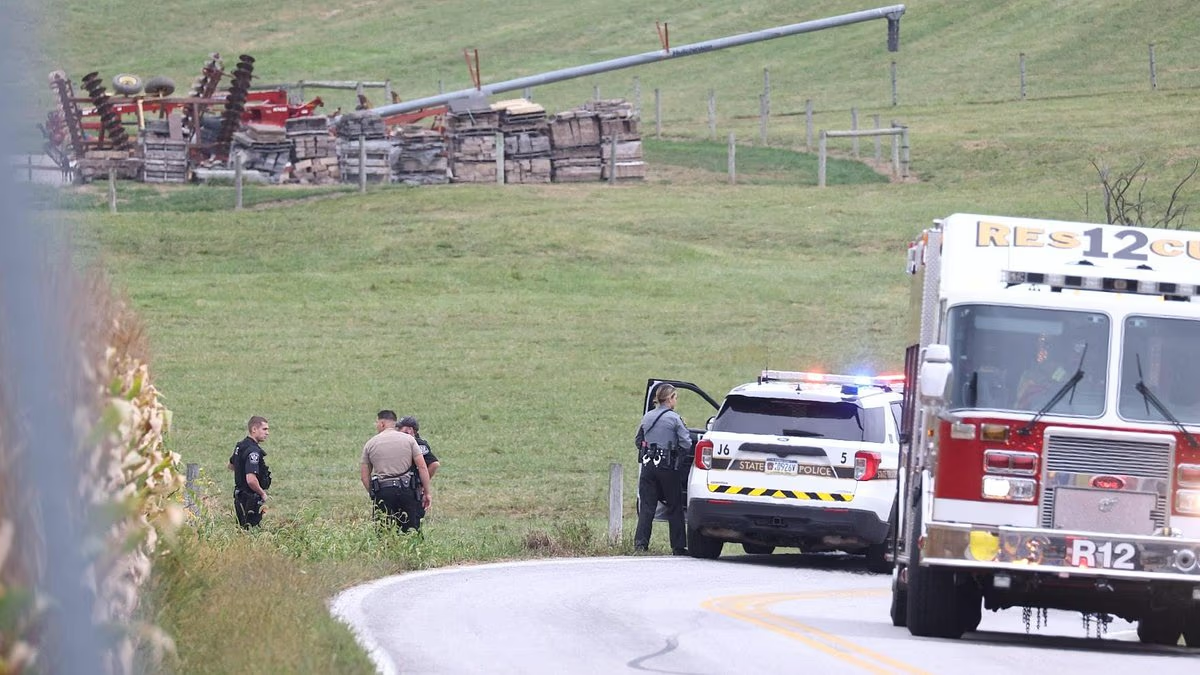
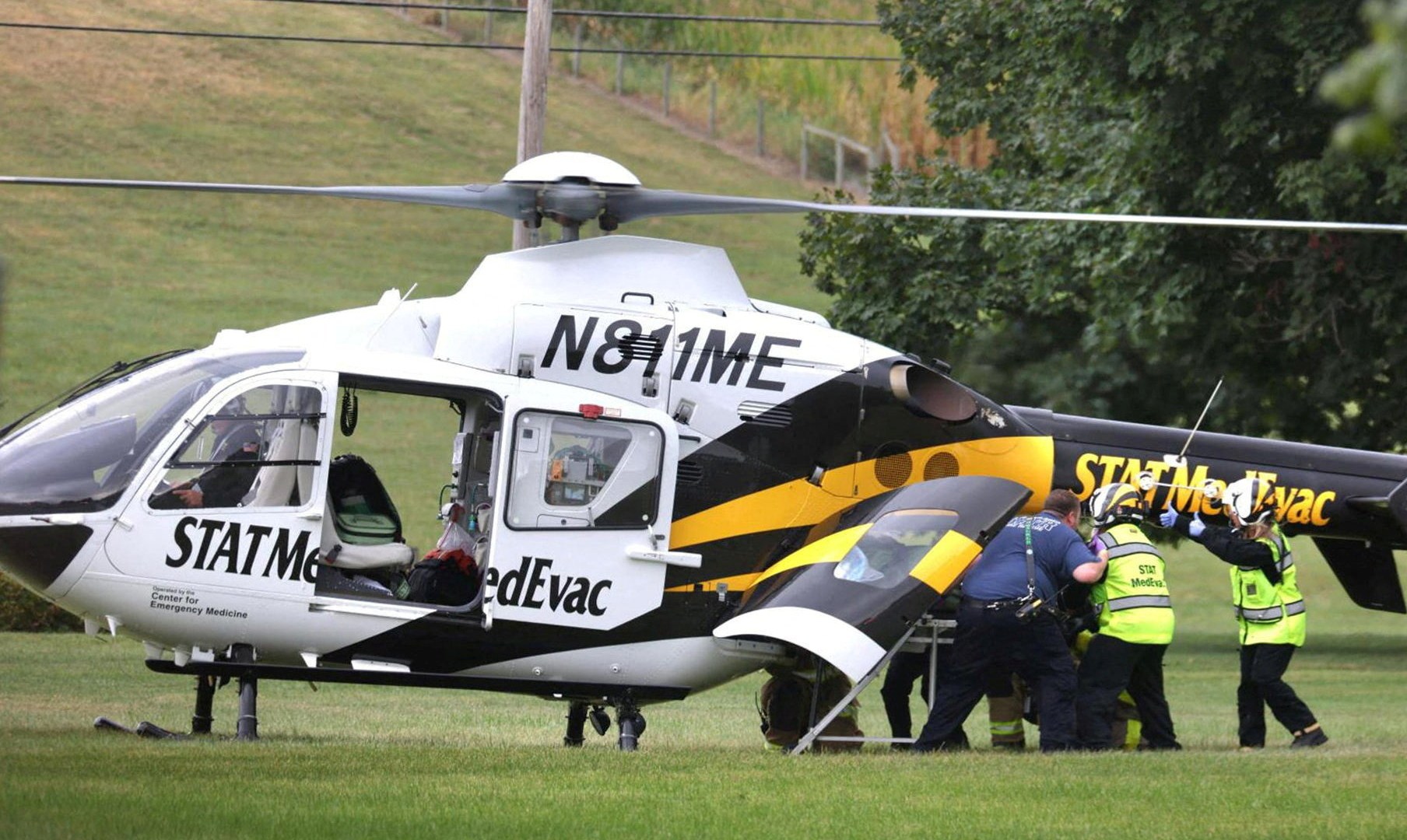
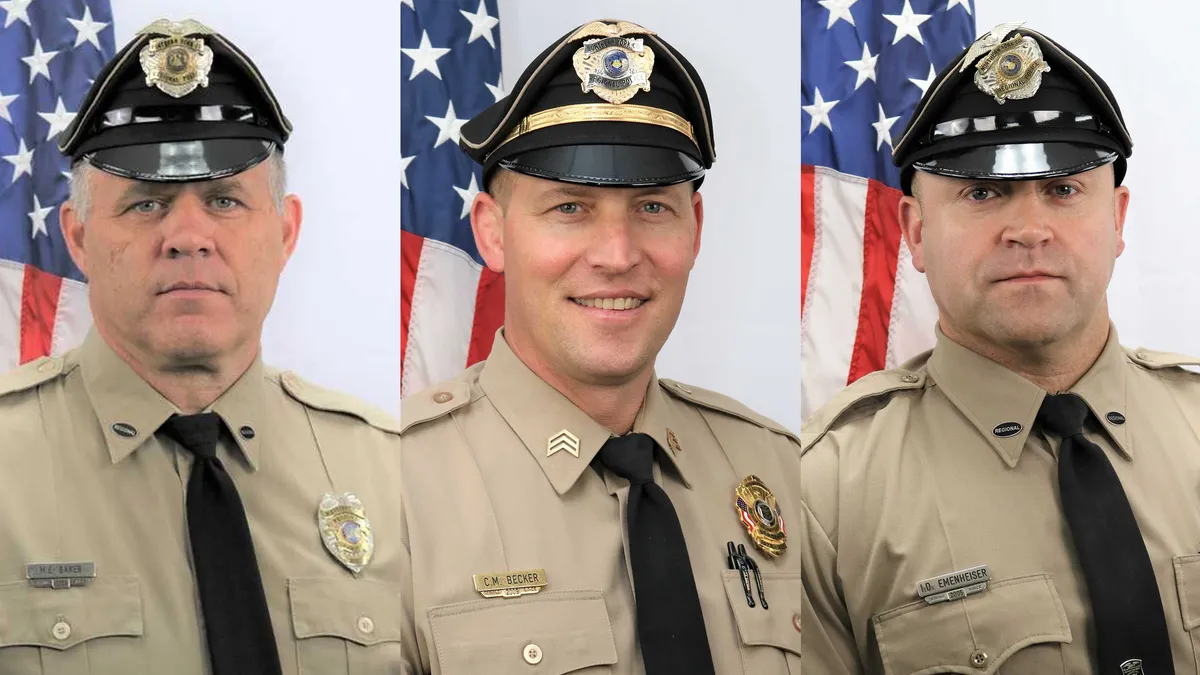
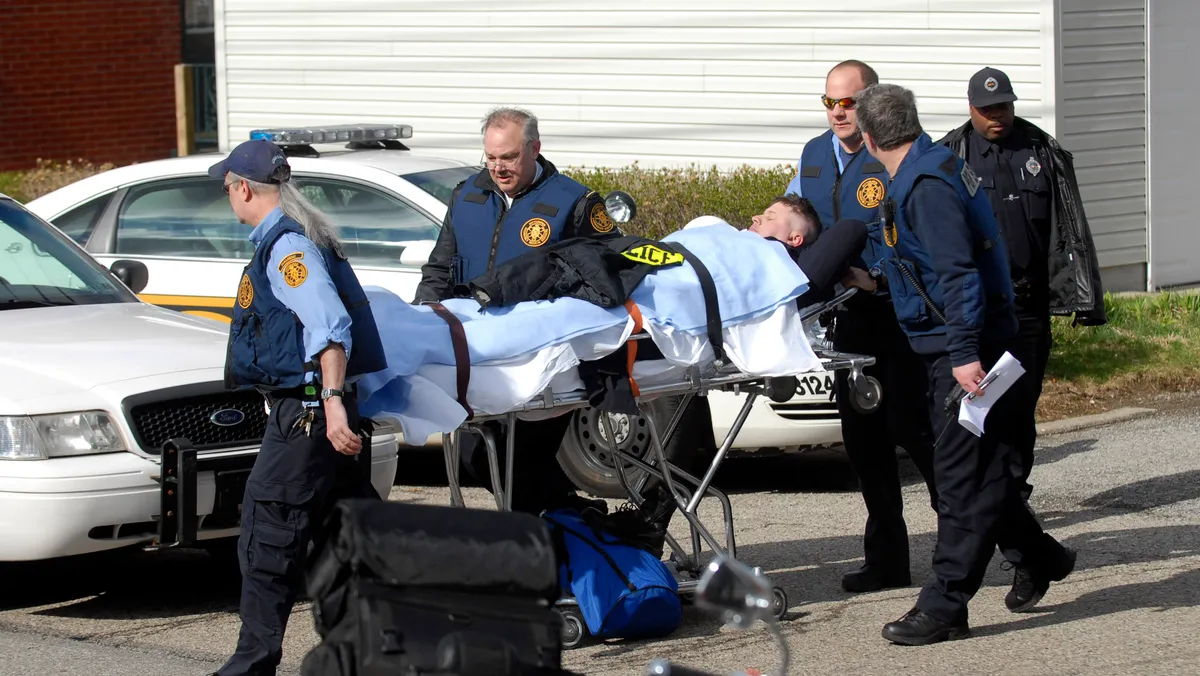
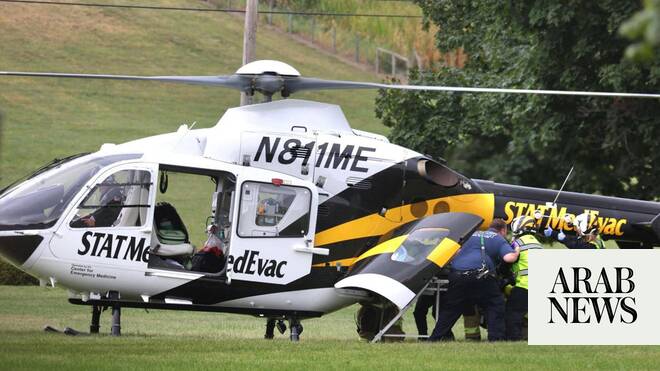
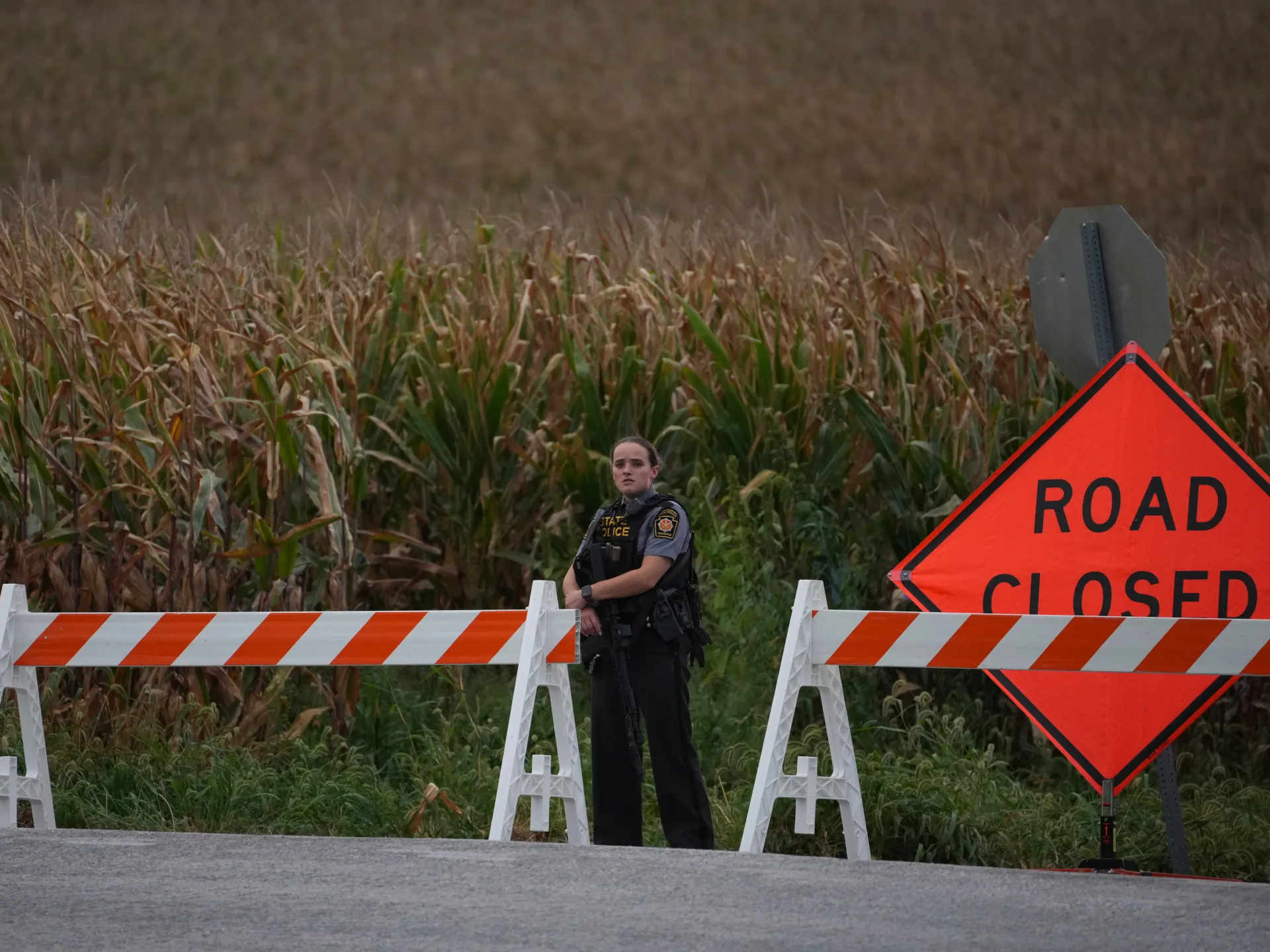
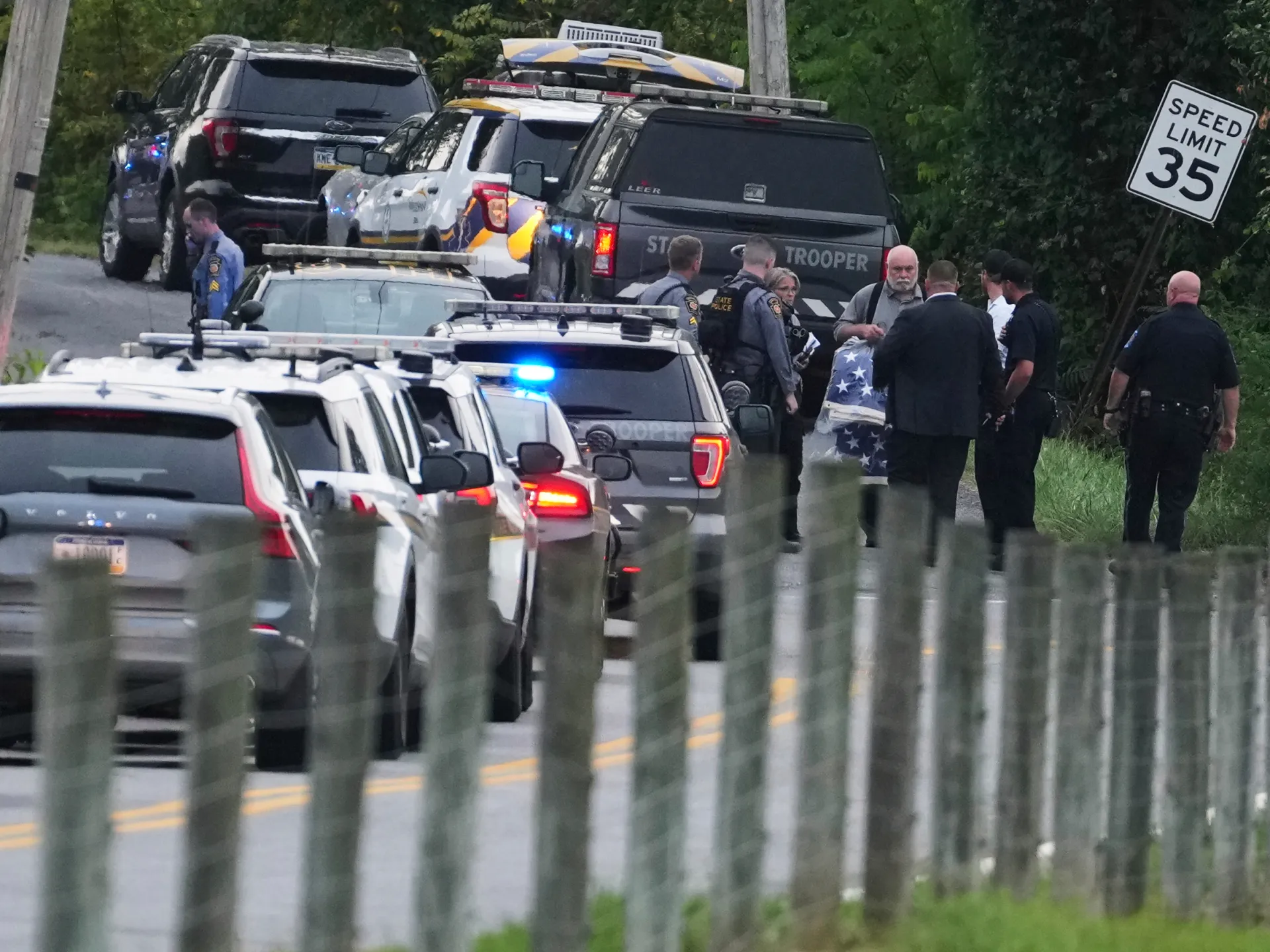
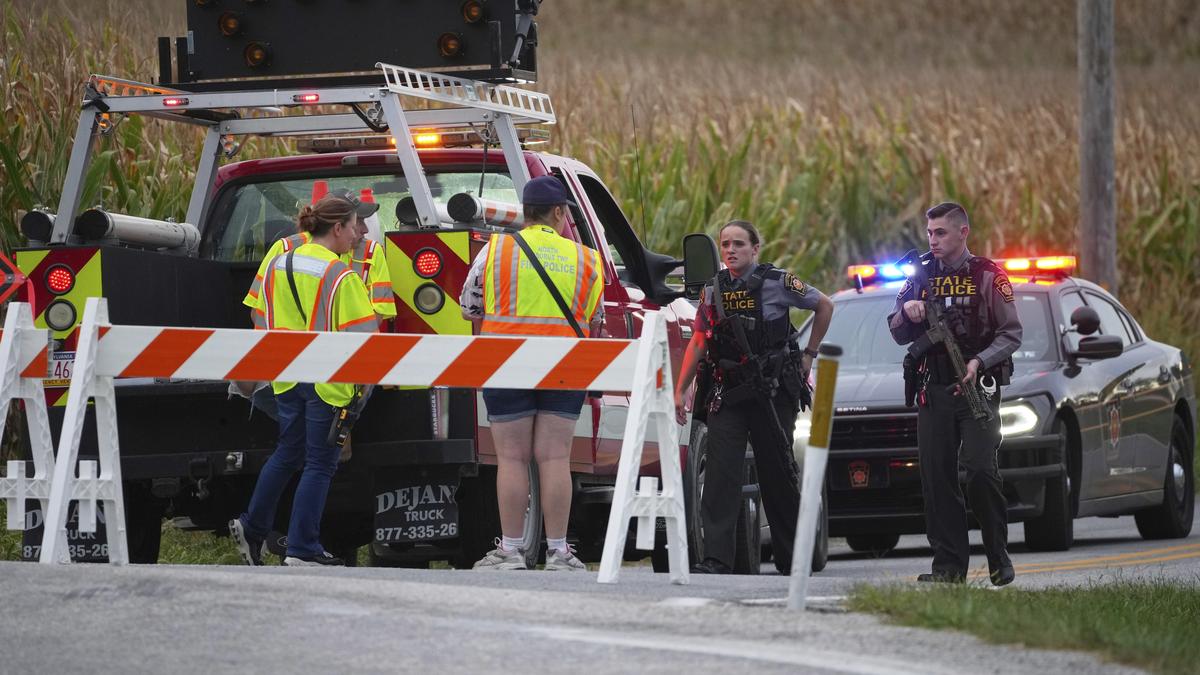
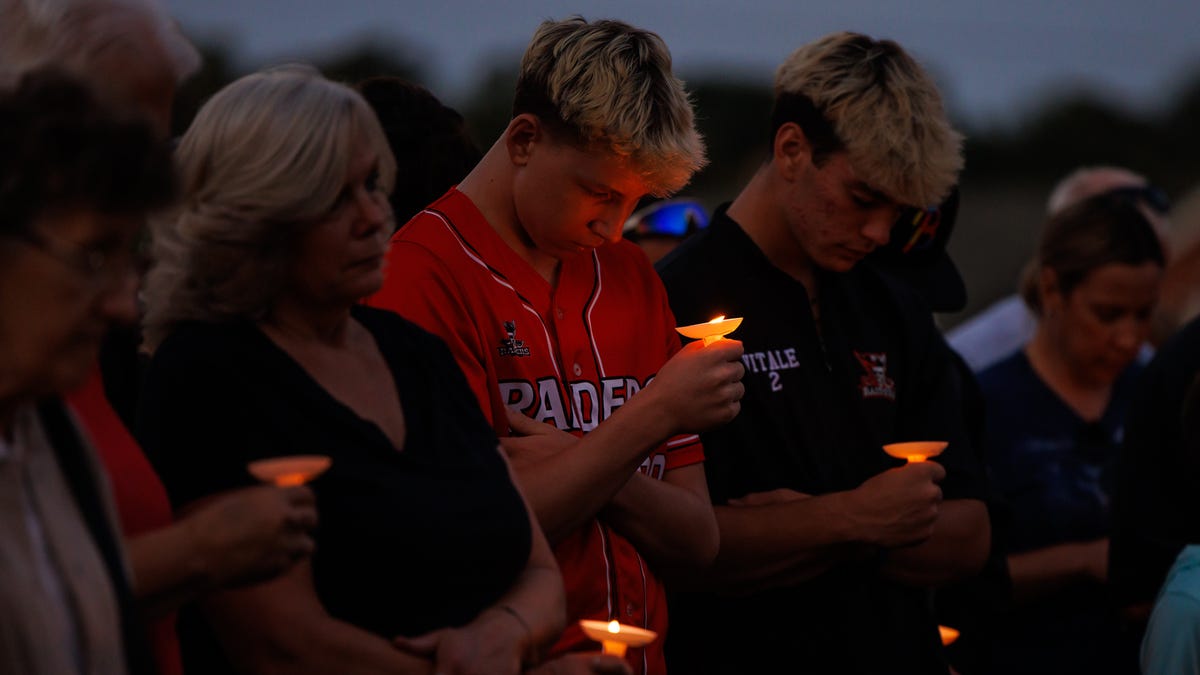
The killing of three police officers at a home in rural Pennsylvania has once again shone a spotlight on the potential for everyday police work to turn deadly. Two other officers were injured in the Sept. 17 shooting that occurred while police were looking to arrest a man who had been charged with stalking, prowling and trespassing.