As the Delhi government gears up to microchip nearly 10 lakh stray dogs over the next two years as part of its rabies action plan, experts caution that its success depends on resolving the chronic issues plaguing the Animal Birth Control (ABC) programme.
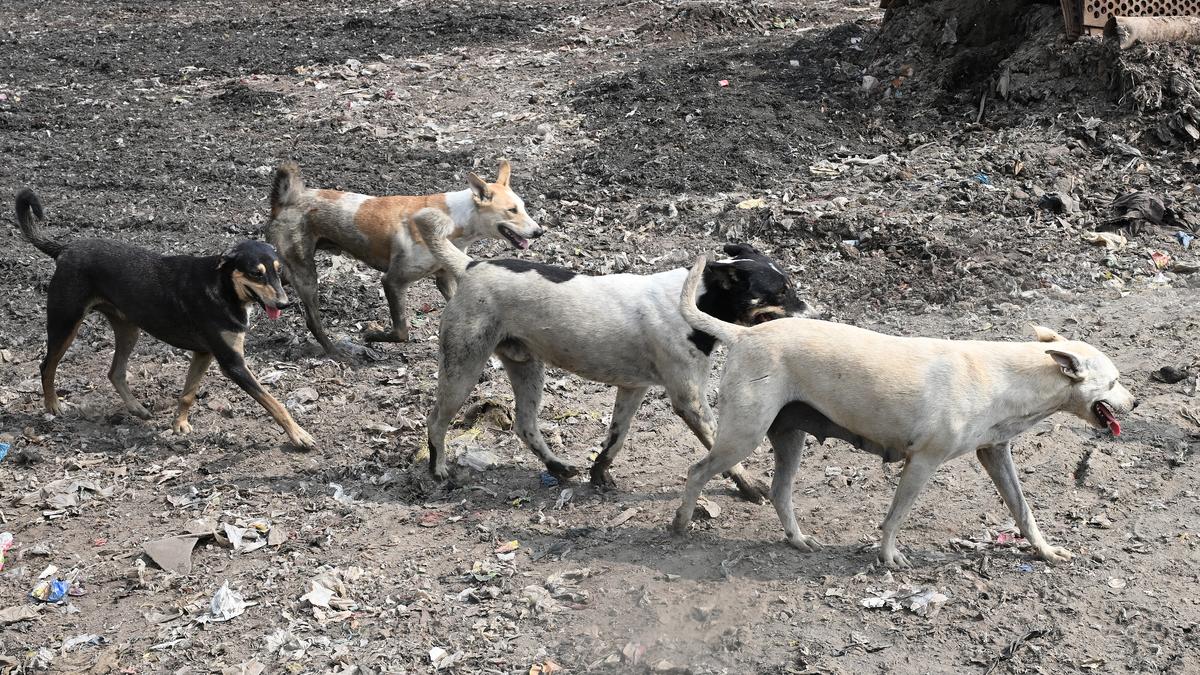
As of July 2025, Delhi had recorded 26,334 dog bite cases as against 68,090 such cases reported in the previous year. Till July 31, there were 49 confirmed cases of rabies in the Capital. The Supreme Court ordered on August 11 that all stray dogs be permanently sheltered, triggering an uproar from the animal activists. It revised the order on August 22, directing the authorities to release the sterilised and vaccinated dogs and keep rabid and sick canines in shelters.
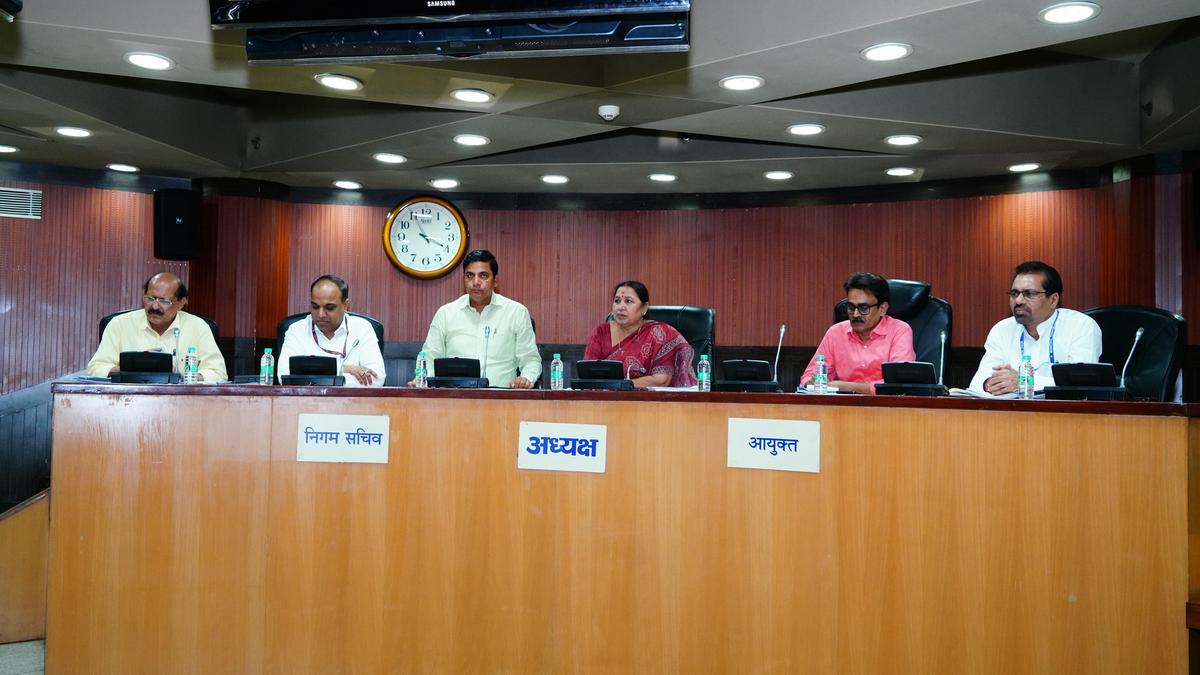
Development Minister Kapil Mishra, after a meeting with the Delhi Advisory Board for Animal Welfare on September 10, said the government will implant microchips in nearly 10 lakh street dogs in collaboration with the United Nations Development Programme over the next two years. Municipal Corporation of Delhi (MCD) Standing Committee chairperson Satya Sharma confirmed that they will seek government funds to implement the initiative.
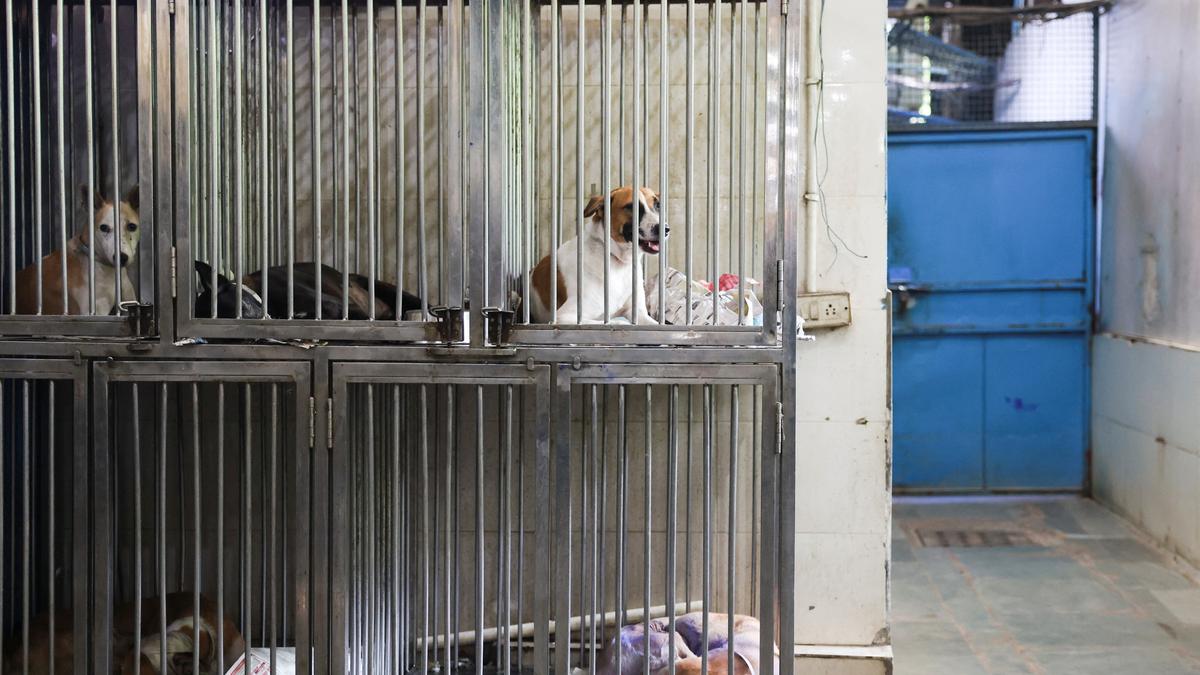
A municipal official told The Hindu that microchipping can streamline the ABC programme’s “catch-neuter-vaccinate-release” model, improving long-term monitoring. “These chips will store key details, including the animal’s vaccination and sterilisation history,” he said. The ABC rules, which were introduced under the Prevention of Cruelty to Animals (PCA) Rules, 2001, were revised in 2023. Experts have highlighted the programme’s ineffective implementation over the past 20 years, including outdated census data, inadequate infrastructure, poor planning, and underutilisation of funds.