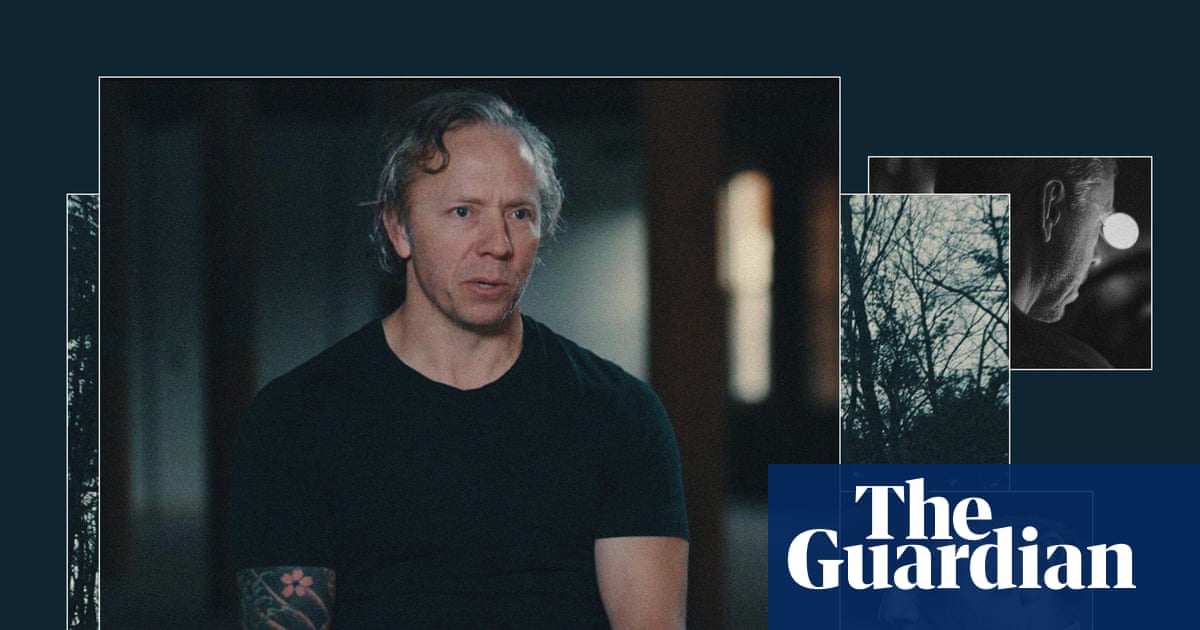
In Predators, director David Osit goes back to the unease of the prime-time hit To Catch a Predator and asks uncomfortable questions
It would go a little like this.
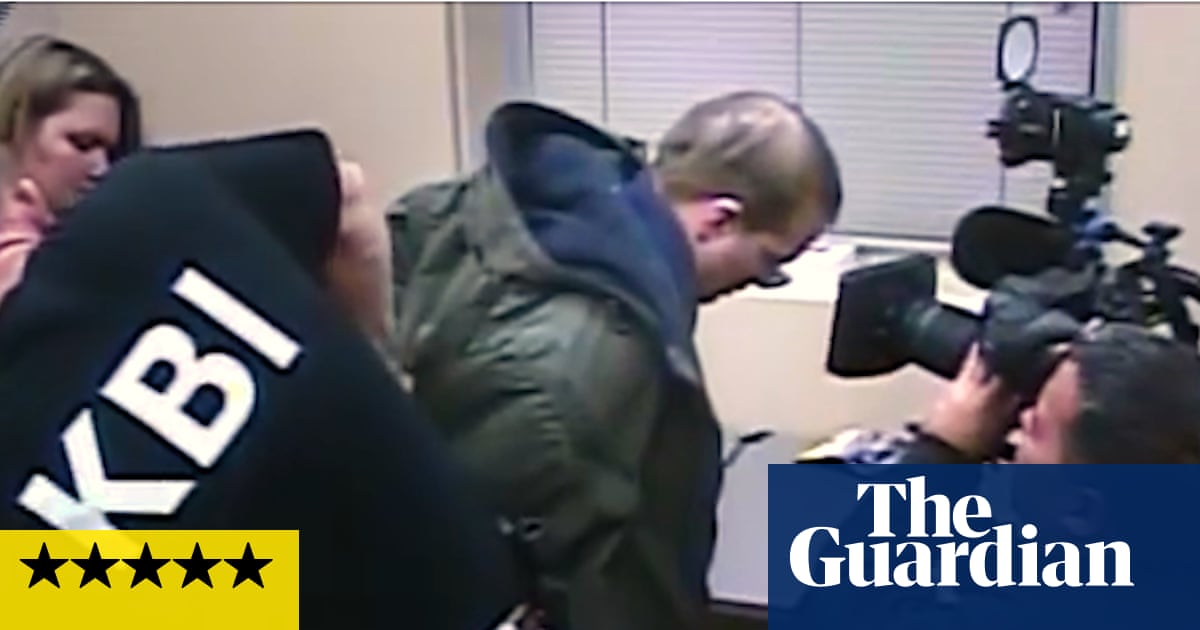
A man would arrive at a house after chatting to someone he believed was underage, with a plan to have sex or engage in a sexual act. The house would be rigged with hidden cameras and the child would be an actor of age, playing the role of an excitable pre- or young teen, maybe even suggesting they both drank alcohol as a further illicit act. But before things went the way that the guest expected they would, out came TV’s Chris Hansen, an award-winning broadcast journalist accompanied by a camera crew. Tears would be shed, apologies would be given and most often, the illusion of being “free to go” would be followed by an arrest carried out by gun-toting police officers.
Between the years of 2004 and 2007, Dateline’s To Catch a Predator was a prime-time ratings hit in the US, a cleanly packaged version of something undeniably dirty, a punchy reminder to parents that the ever-expanding online world was not to be trusted. It was “a strange mix of schadenfreude and horror,” says David Osit, an Emmy-winning documentary film-maker, whose latest film Predators looks back on the show and the controversy surrounding it. It’s one of a number of new documentaries revisiting a strange, exploitative era of television, one without the regulations and moral code we’re now more accustomed to mostly expect. Netflix has explored the problems with The Jerry Springer Show and more recently The Biggest Loser and will soon revisit the horrors of America’s Next Top Model, a series that’s since been accused of cruelly imposing impossible and uneasy beauty and body standards on vulnerable young women. The victims in To Catch a Predator are far harder to feel sorry for, paedophiles who were willing to do something indefensibly grotesque and impossible to empathise with, but the method of catching them remains deeply uncomfortable, cops working hand-in-hand with a TV crew, and the questions it asks about us and why we would want to play witness, are incredibly troubling.