Silverpit crater off Yorkshire coast was caused by cathedral-sized asteroid that set off 100-metre tsunami 43m years ago
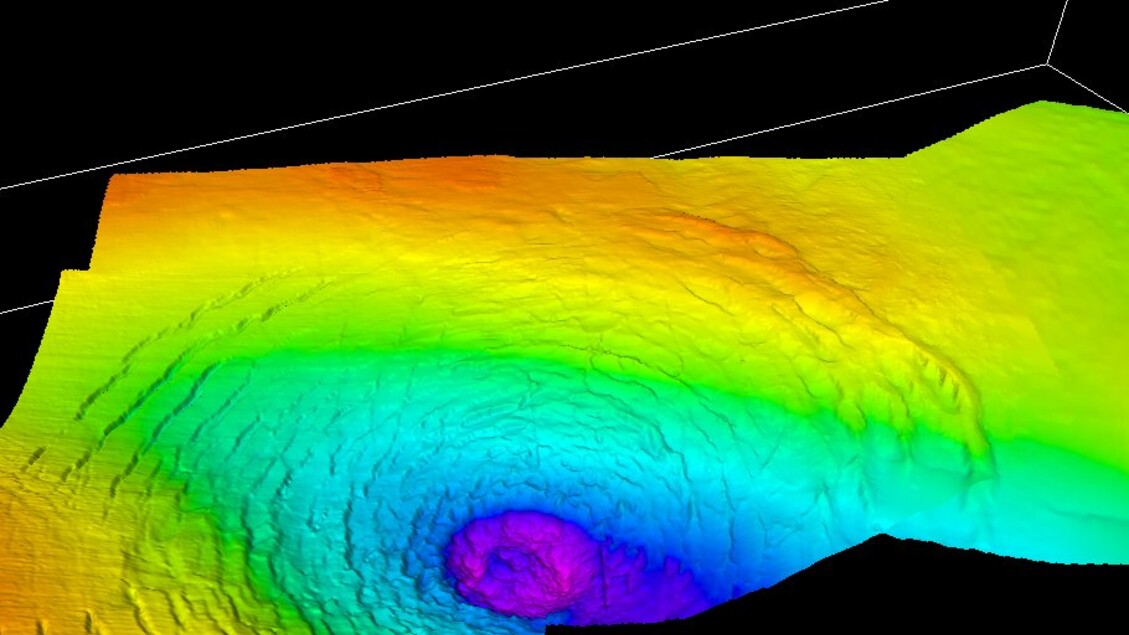
Deep below the seabed, 80 miles off the coast of Yorkshire, is a remarkable crater that has divided scientists – was it, thrillingly, created by an asteroid crash? Or more mundanely was it the result of geological salt movements?
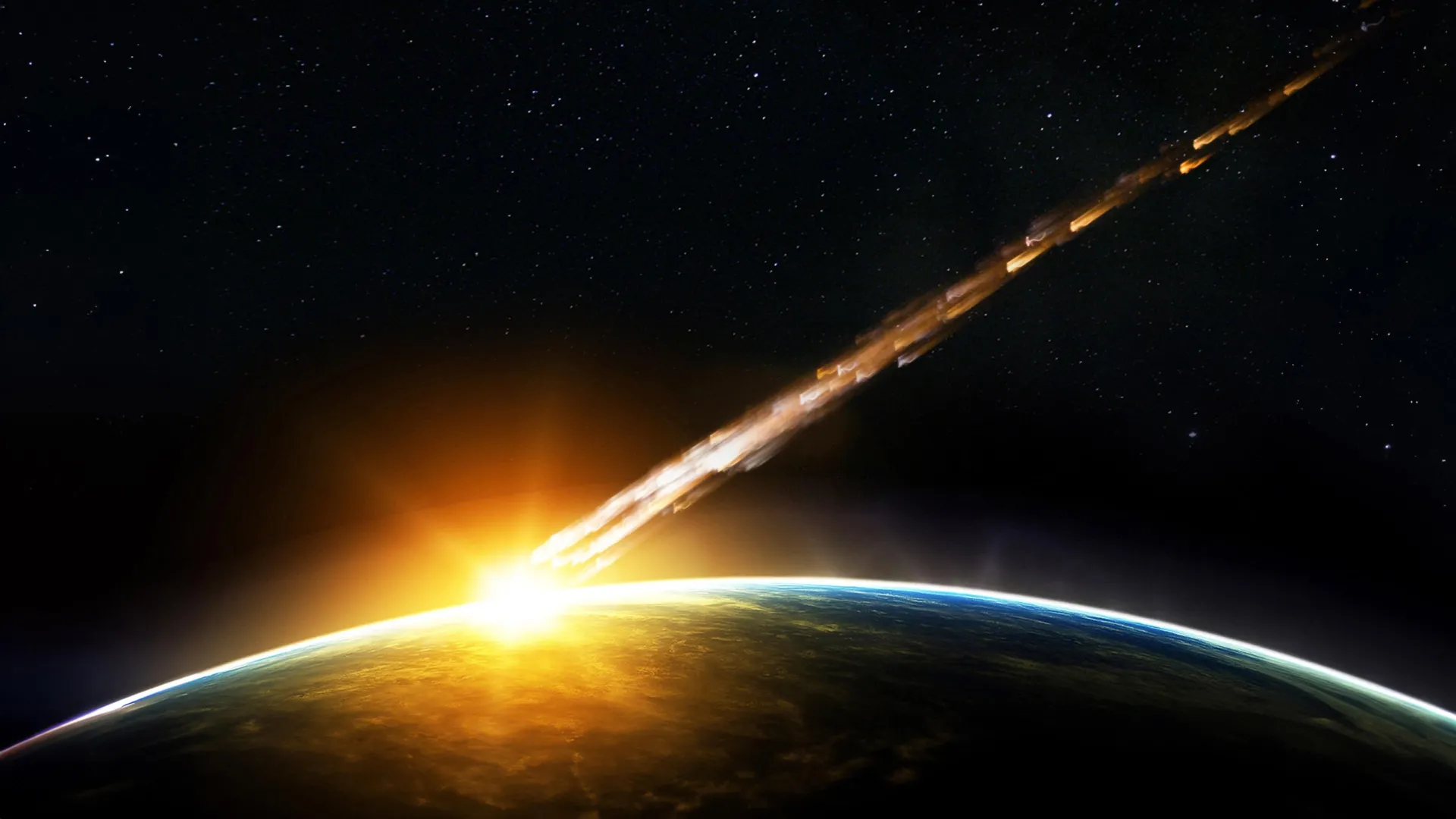
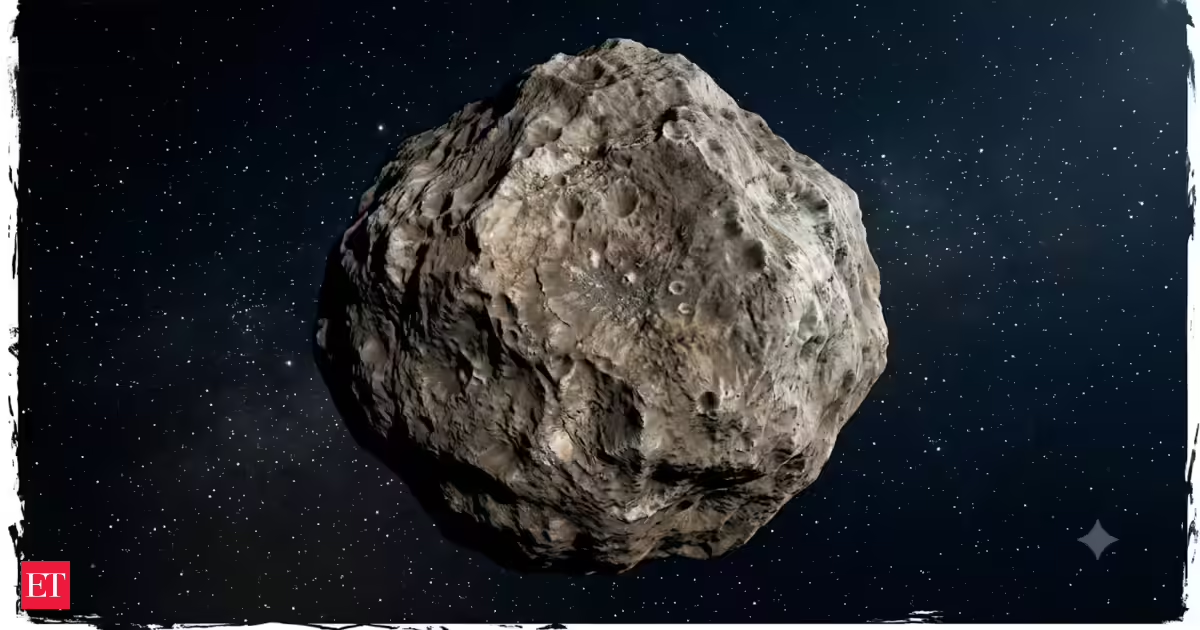
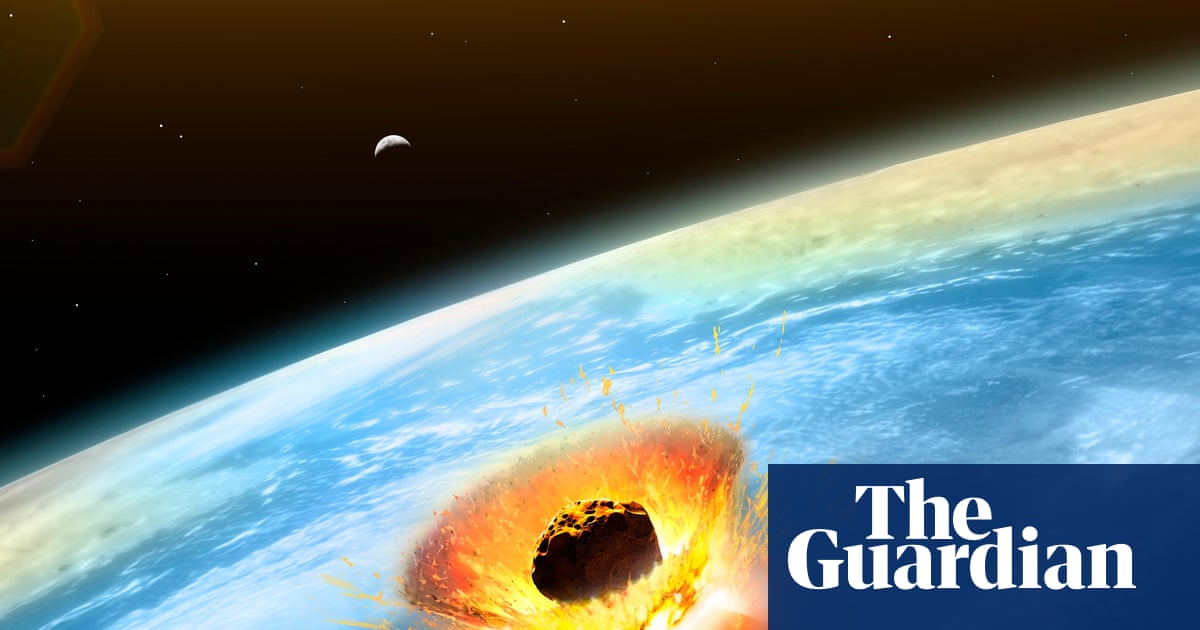
Today, the decades-long scientific debate can be settled. The Silverpit crater 700 metres below the seabed under the North Sea was in all likelihood created by a direct hit from an asteroid or comet about the size of York Minster that hurtled towards the Earth more than 43m years ago.
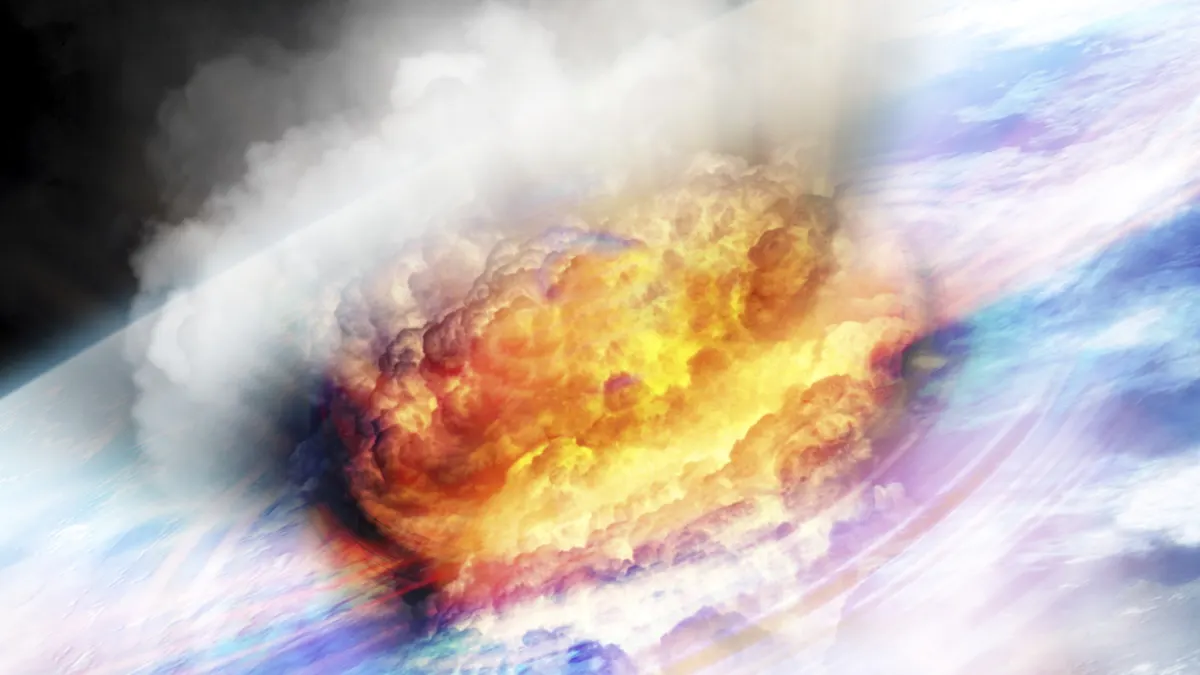
The 160-metre-wide asteroid smashed into the sea causing a 100-metre-high tsunami, say scientists. It was probably a very bad day for any early mammals in the area – but not as bad as the consequences of the asteroid smash that wiped out the dinosaurs 66m years ago.
The Silverpit crater is nowhere near the scale of the Chicxulub crater in Mexico, when an asteroid about 6 to 9 miles wide struck Earth, resulting in a mass extinction of 75% of plant and animal species. But it is still interesting and, as the only impact crater near what is now the UK, extremely important, say experts.