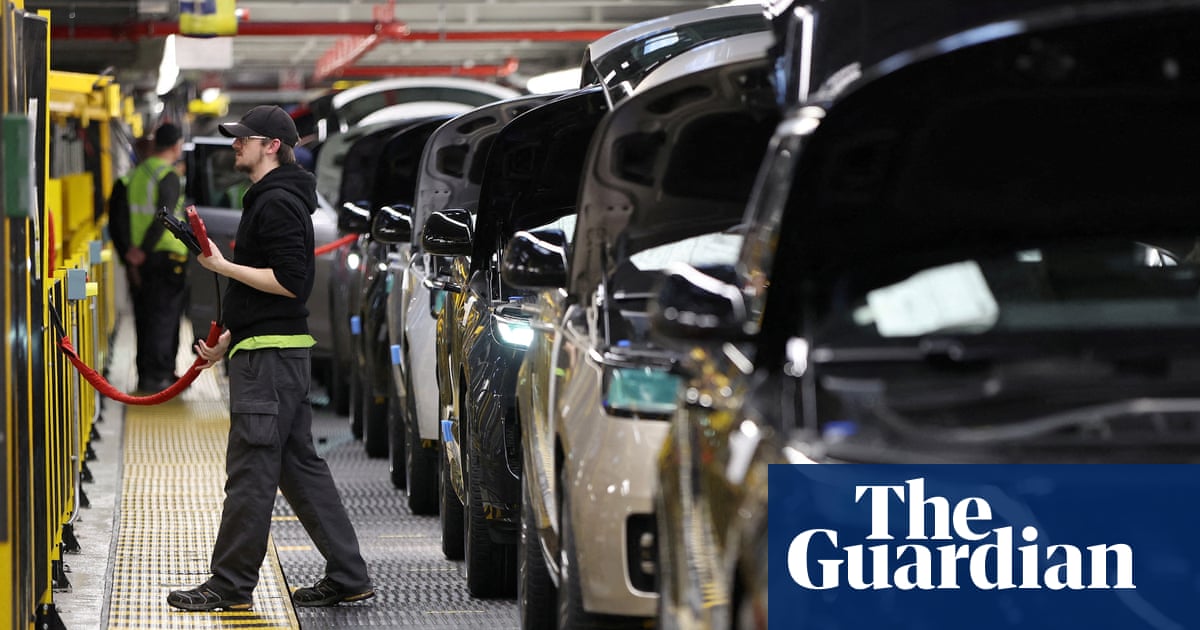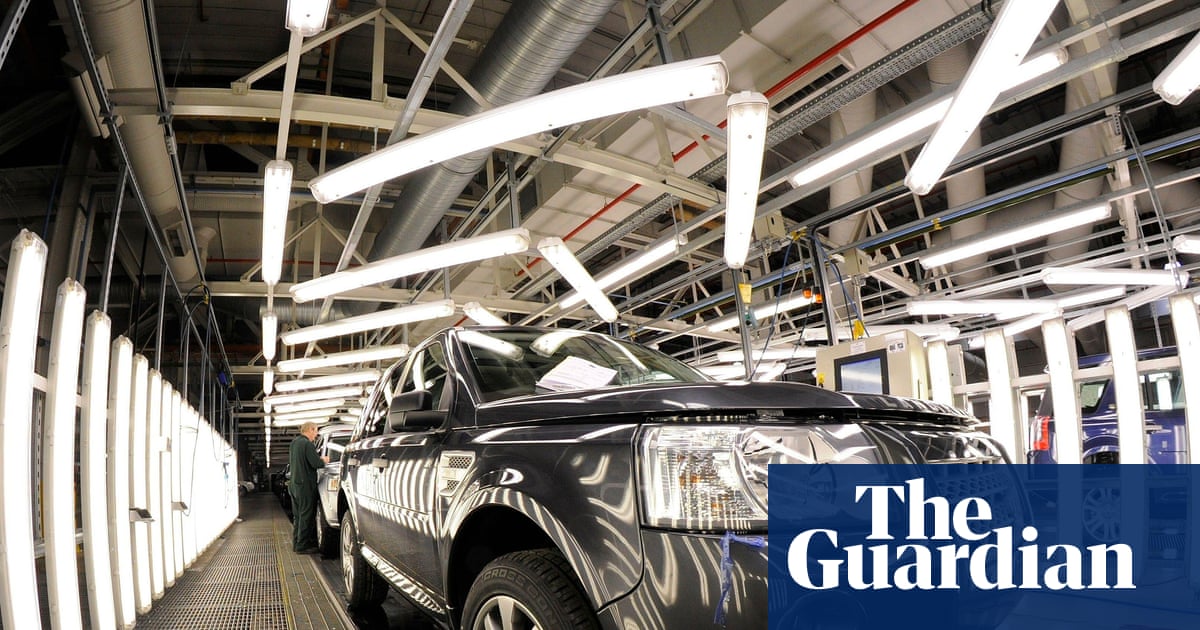
Being a carmaker where ‘everything is connected’ has left JLR unable to isolate its plants or functions, forcing a shutdown of most systems
T
he first external signs of the chaos about to hit JLR, Britain’s largest automotive employer, came on the quiet last Sunday of August. Managers at a factory in Halewood, Merseyside, told industry contacts there might have been a hack – although it was not clear then just how bad the situation was.
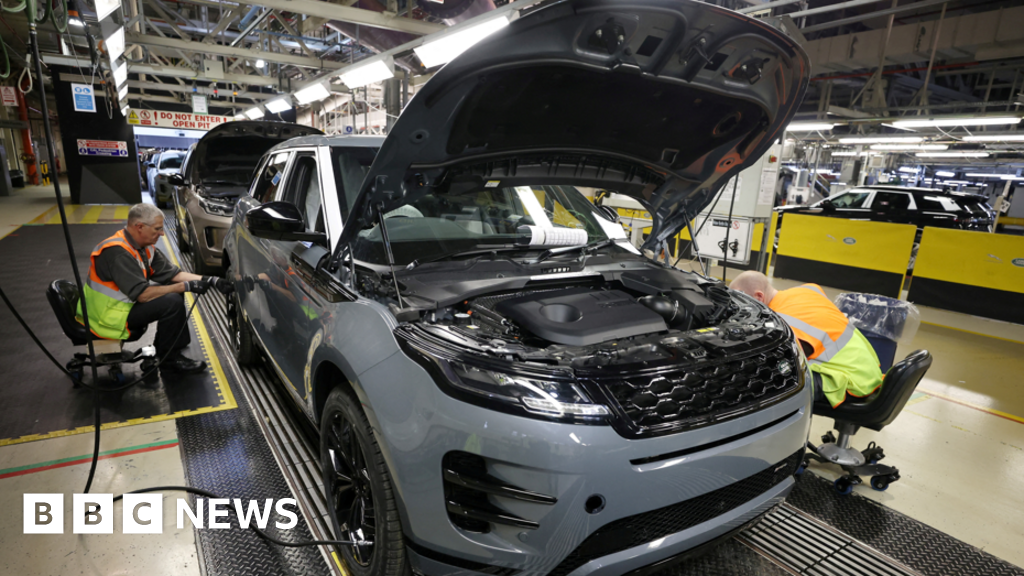
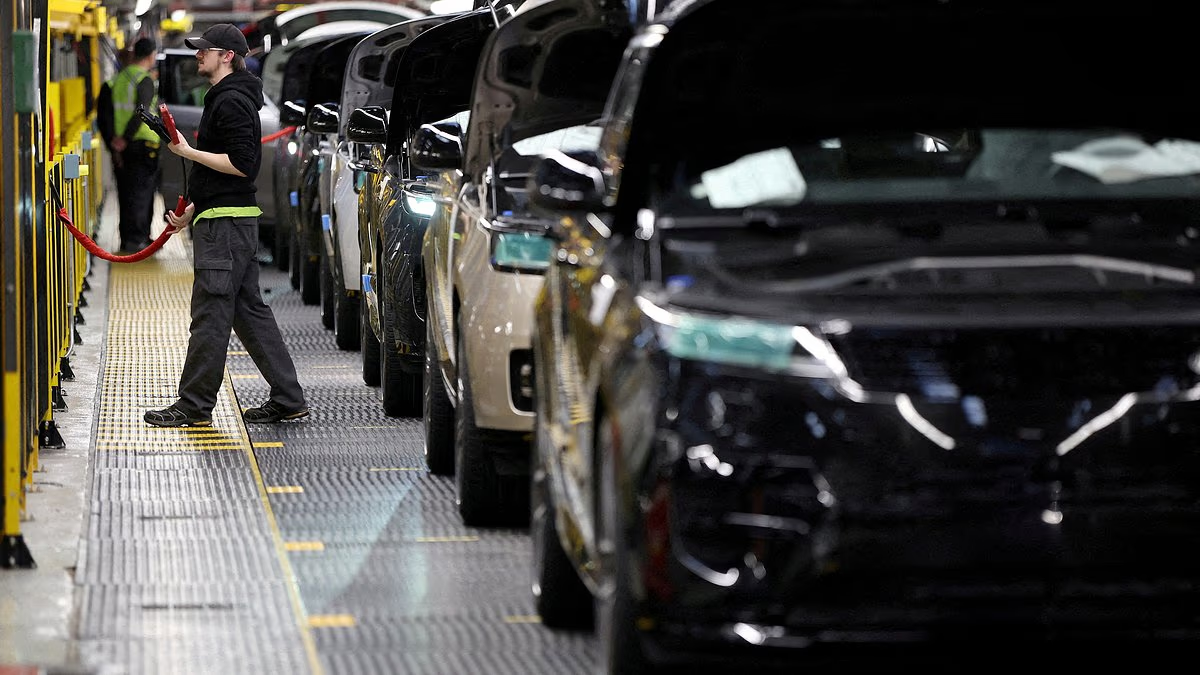
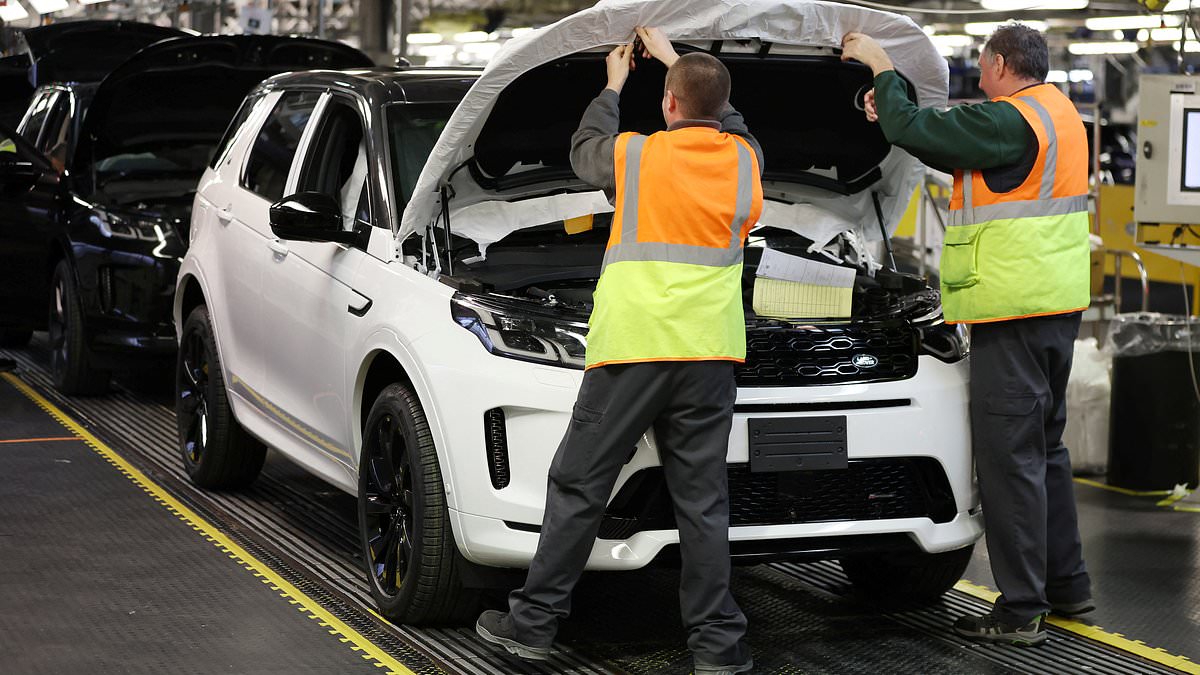
That changed quickly on the Monday morning. JLR, the maker of the Jaguar and Land Rover brands, quickly shut down systems after realising the severity of the cyber-attack. Three weeks later, the carmaker is still incapacitated, unable to produce at any of its factories across the UK, Slovakia, Brazil and India (although a Chinese joint venture is thought to be operating).
The hack is likely to cost JLR hundreds of millions of pounds, and has caused turmoil across its sprawling supply chain – particularly in the West Midlands surrounding the company’s headquarters in Gaydon and the Solihull factory, where it makes its money-spinner Range Rovers. With little hope of an imminent restart, the UK government is facing increasing calls for financial support for suppliers that fear going bust if the sudden revenue drought continues.