LONDON: As the background noise of news broadcasts and smartphone notifications grows ever louder, a quieter trend is beginning to take hold. Across the Arab world, parents and educators are encouraging young people to pause, breathe and be fully present. From living rooms to classrooms, mindfulness is emerging as a tool for coping with the pressures of modern life.
For the latest updates, follow us on Instagram @arabnews.lifestyle
The practice takes many shapes, taking old traditions and adding new approaches to mental health. In Arab households, mindfulness often shows up in familiar rituals: sipping tea, lighting incense or performing Islamic prayers — everyday acts that invite reflection and presence.
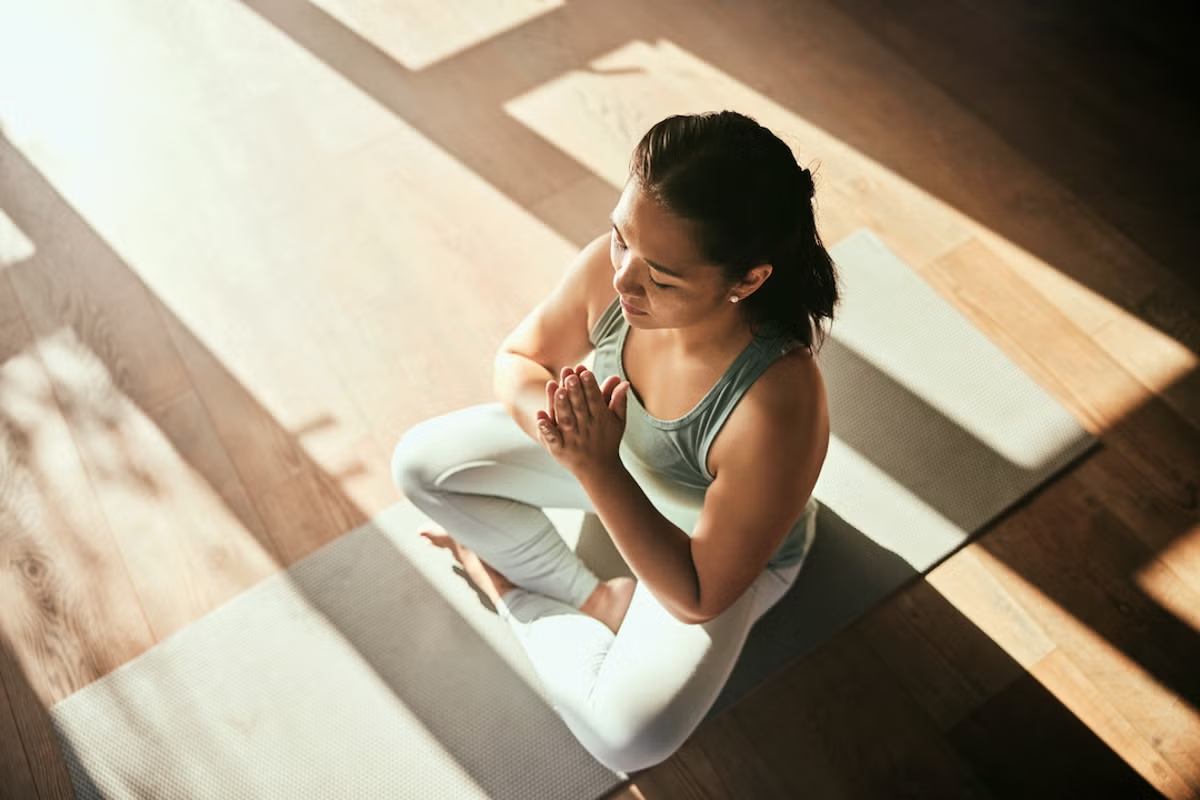
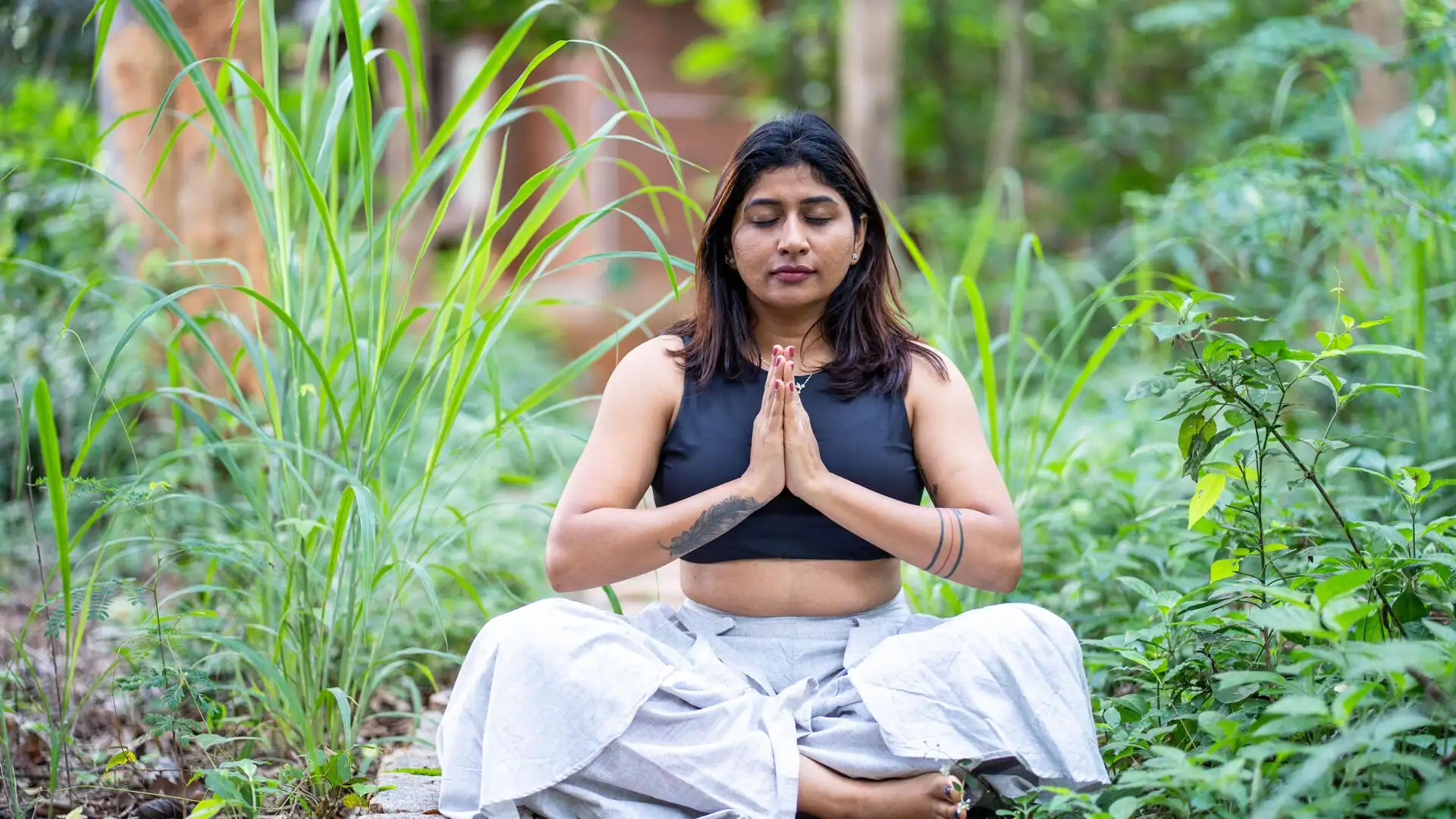
Increasingly, though, families and teachers are also adopting more structured methods: yoga and meditation, journaling and art therapy, even digital wellness apps. These practices are being tailored to fit cultural values while giving young people a range of new outlets to manage stress.
For Saudi mother Rawan Radwan, mindfulness begins at home. She sees it as leading by example and creating space for her 12-year-old daughter to process emotions. A communications professional, Radwan said children often “do not yet grasp concepts like breathing exercises or coping with frustration,” so it falls on parents to “lead by example.”