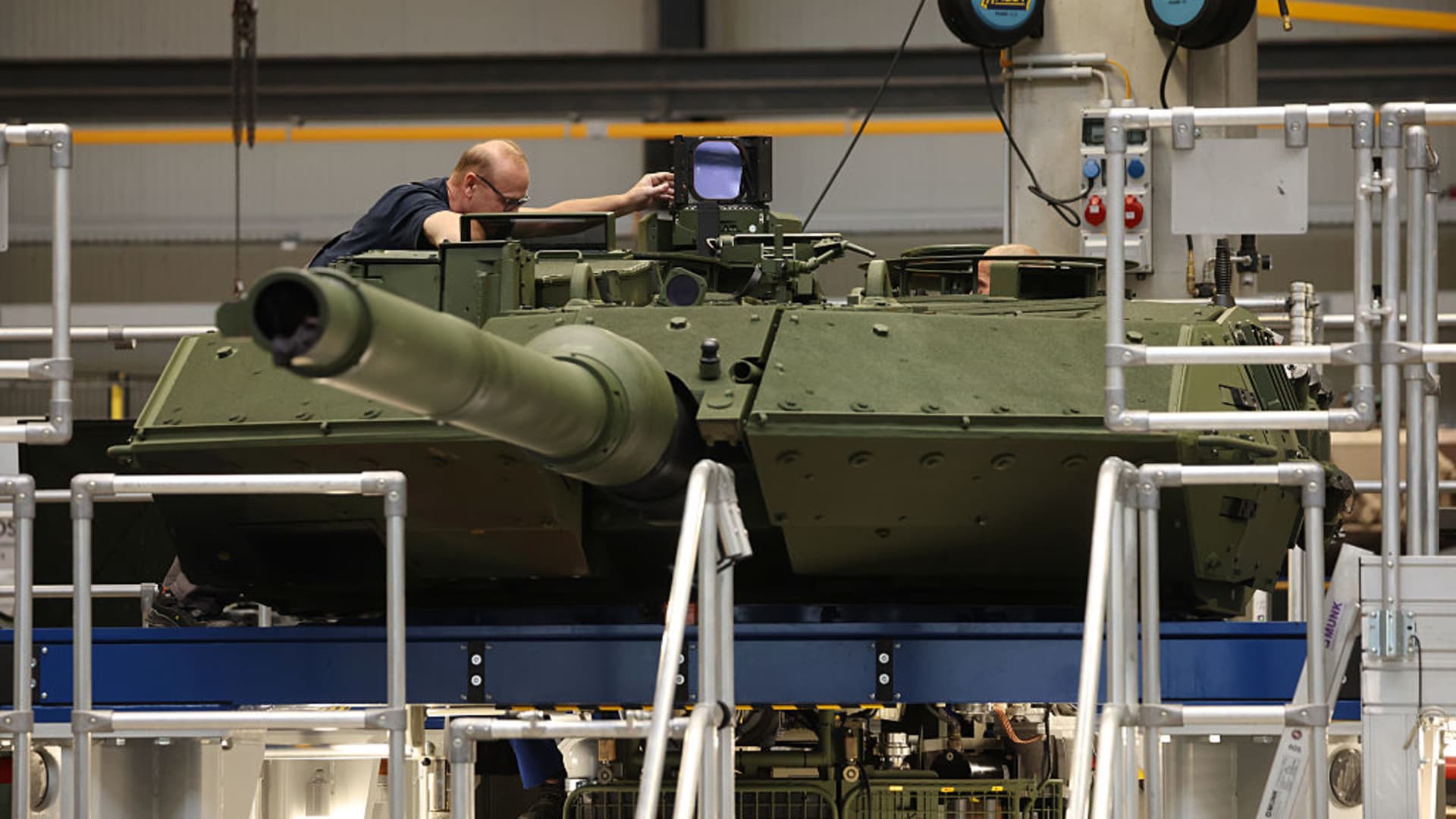
Huge investment pledges and major fiscal changes had bolstered hopes that Germany could give the euro zone economy a much-needed boost, but economists are starting to question if — and when — that will happen.
Germany was a hub of excitement earlier this year, with many politicians, analysts and economists sharing big hopes of an economic rebound — domestically, and across Europe.
It had moved to amend its long-standing debt brake rule, which limits how much debt the government can take on and dictates the size of the federal government’s structural budget deficit. Certain defense and security expenses above a specific threshold are exempt from the debt brake under the new rules.
The country also opted to create a 500 billion euro ($592 billion) infrastructure and climate investment fund.
The shift was considered a potential game-changer at the time, and was widely billed as a way to turn Germany’s sluggish economy around.