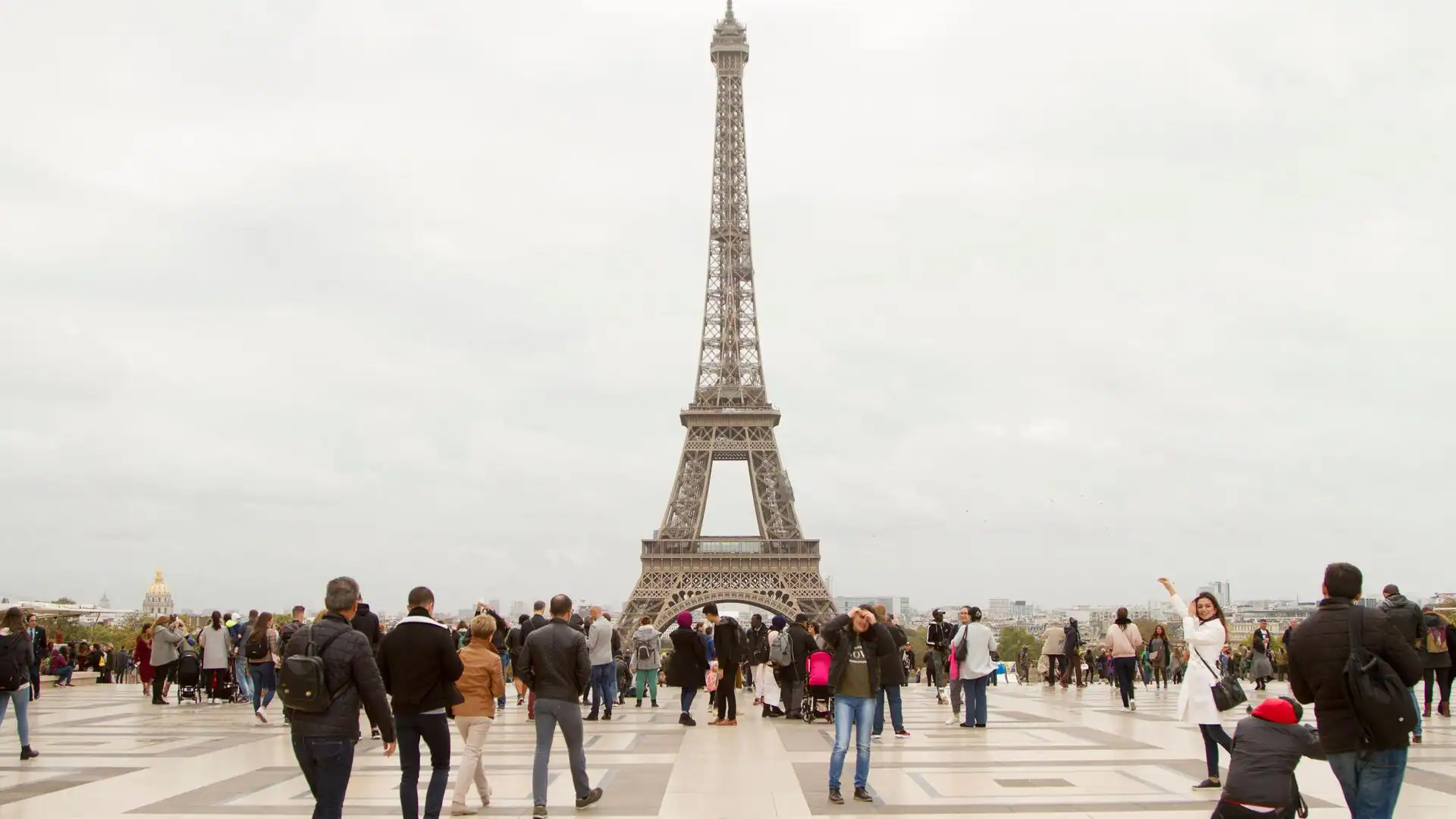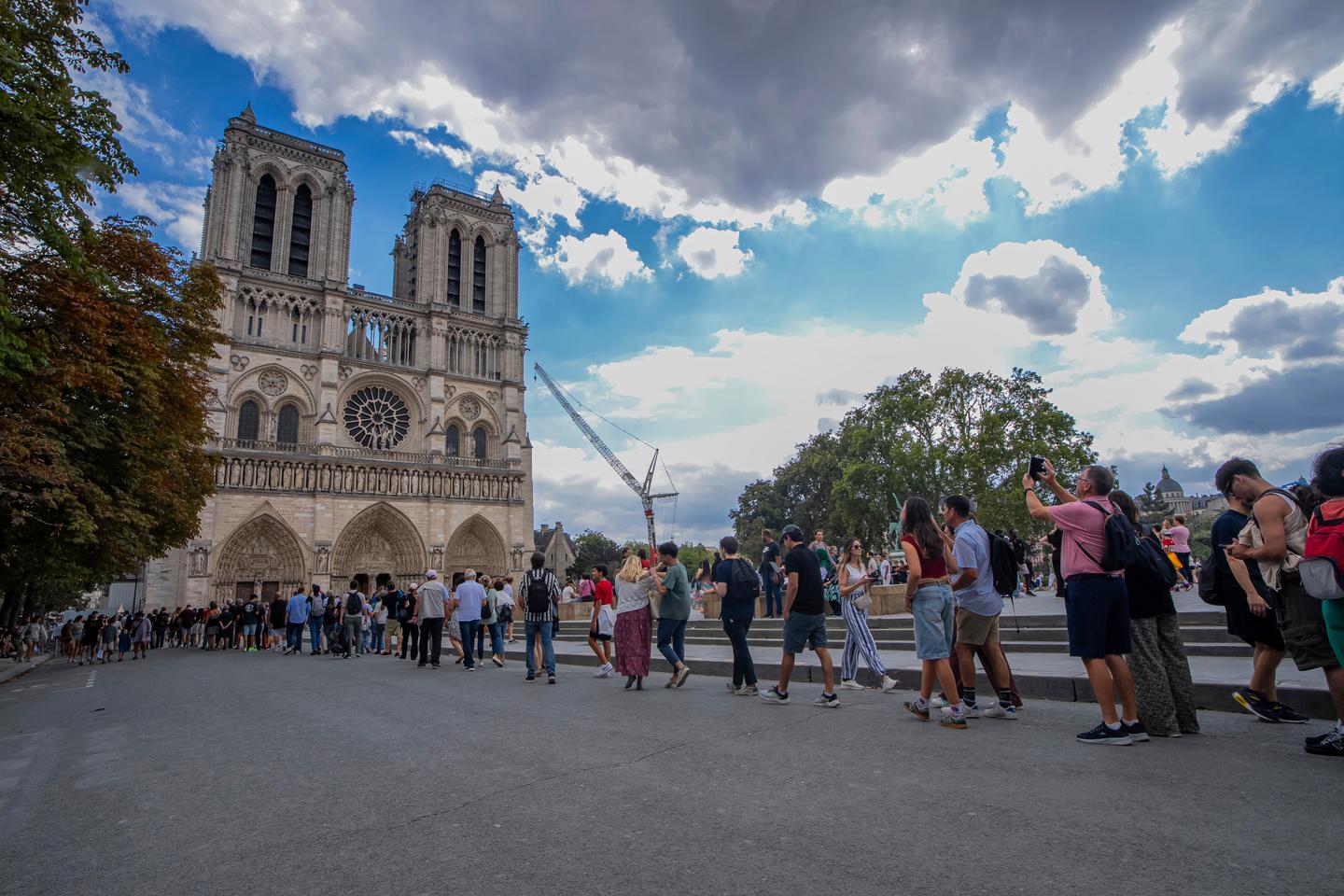
The 2019 fire at Notre-Dame and the subsequent debates over its restoration revealed the deep attachment that the French have to their heritage. In 2024, over 6.5 million people visited the more than 17,000 heritage sites open across France, reflecting a long-lasting interest in the country's architectural history. The 2025 European Heritage Days will take place from Friday, September 19, to Sunday, September 21. But beyond the iconic monuments, what about the invisible places? Wastelands, underground hideouts, and forgotten galleries are also part of our urban memory. For this 42nd edition, Le Monde put together a list of lesser-known, forgotten or even invisible heritage sites, that are all worth a visit.
Fort Dorsner in Giromagny
Fort Dorsner, constructed between 1874 and 1879 and named in honor of French Empire general Jean-Baptiste Dorsner, was designed as part of a vast defensive system called Séré de Rivières. After France's defeat in 1870, it was intended to protect the country from possible invasions from the North and East. The fort at Giromagny, in eastern France, has been remarkably restored and impresses with its might. It has 47 gun emplacements, casemates, caponiers, and vaulted corridors that allow for secure movement between the various defense zones. The fort illustrates the strategic choices of the era by balancing technical innovation with adaptation to the terrain. The spacious and well-preserved central courtyard leads to the barracks and other internal structures, offering insight into the military organization of the time. During the European Heritage Days, the fort is offering recreational tours for children aged 6 to 13.