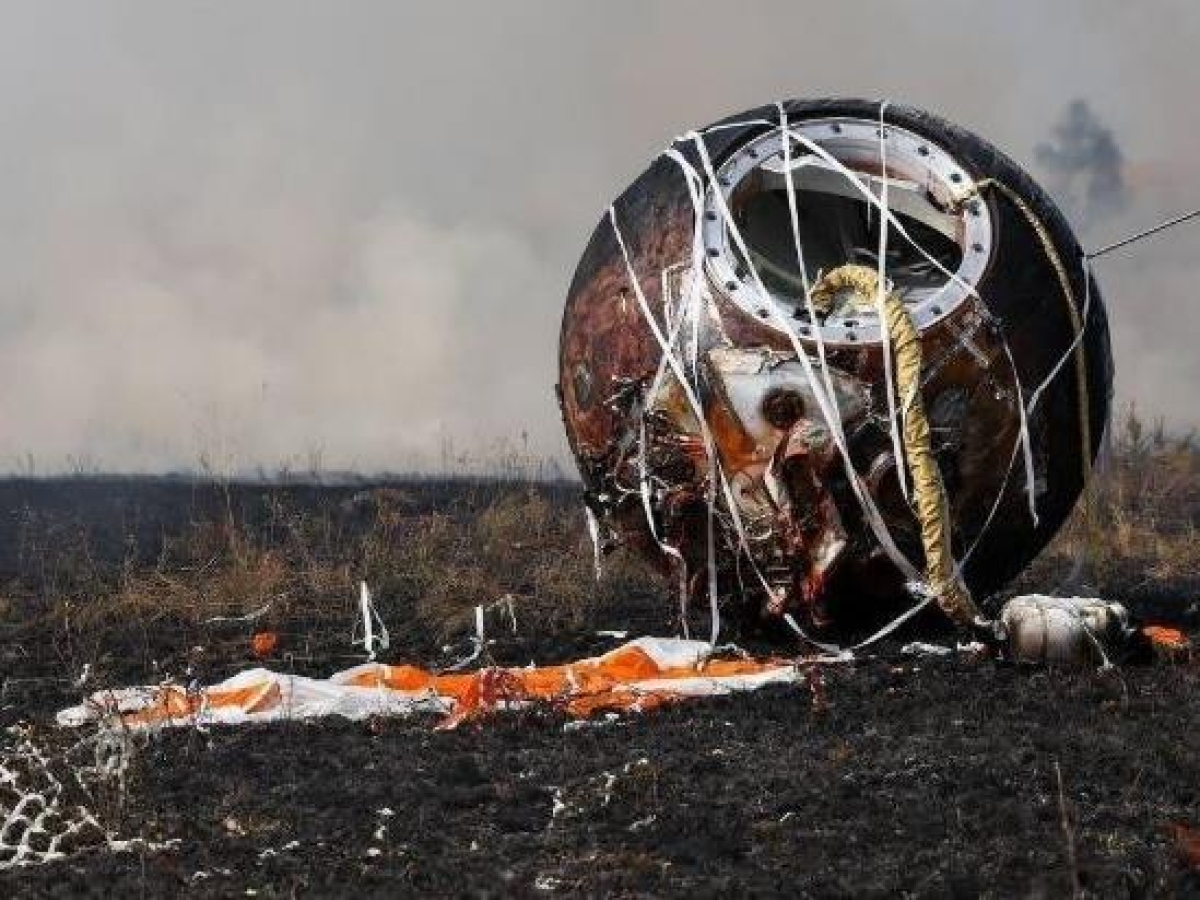
MOSCOW, September 19. /TASS/. Biological satellite Bion-M No. 2, launched on August 20, will land in the steppes of the Orenburg Region on Friday.
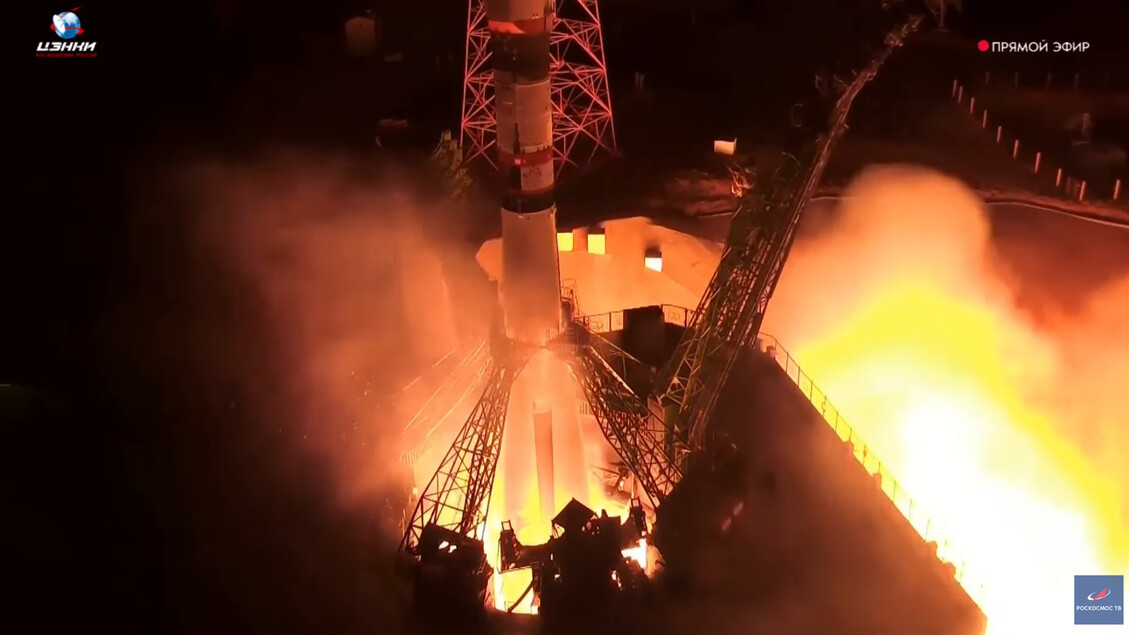
Bion-M No. 2 was launched from the Baikonur cosmodrome and spent 30 days in polar orbit. The project studies how living organisms survive flight in a high-latitude orbit, where space radiation is one third higher than in the orbit of the International Space Station.
There are 75 male mice, about 1,500 fruit flies, cell cultures, plants, samples of cereals, legumes and industrial crops on board the 6.4-ton apparatus. Besides, fungi, lichens, cellular materials and seeds of plants grown from seeds that flew into space on Bion-M No. 1 (2013) and Photon-M No. 4 (2014) were launched into space.
A meteorite simulator is installed outside the device, which houses living cells - with its help, scientists plan to understand life surviving in the thickness of a meteorite when passing through the dense layers of the Earth's atmosphere.
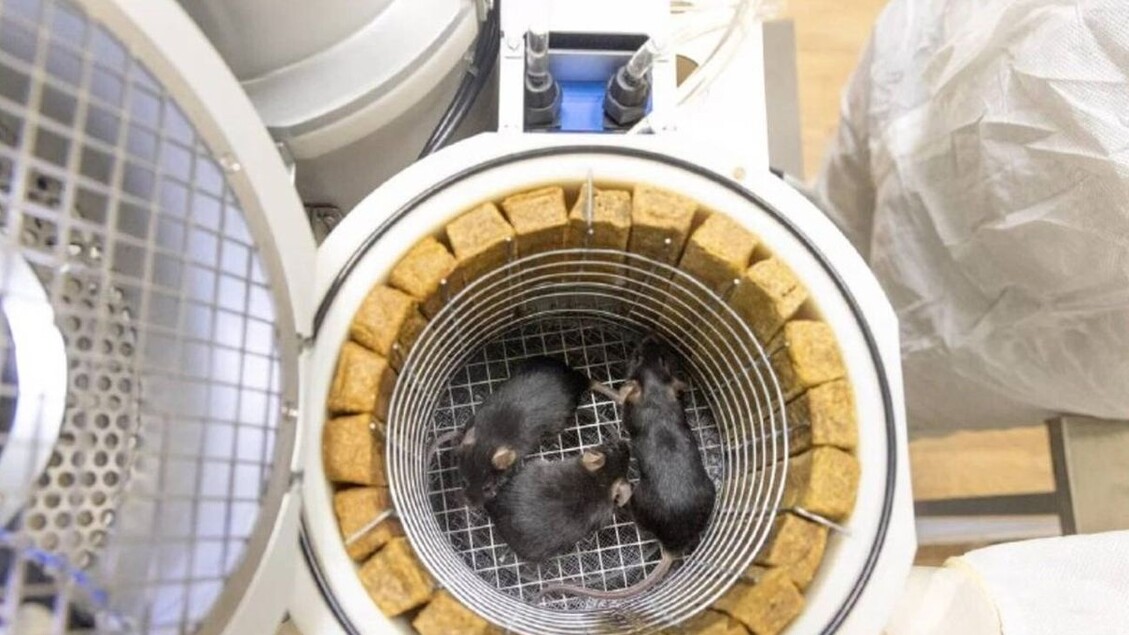
Bion-M is equipped with 25 boxes, each of which contains three mice. The "crew" was duplicated twice on the earth: 75 mice spent a month in a vivarium, and another 75 in a stand simulating the biosatellite equipment. During the space mission, the state of living organisms was constantly monitored. According to the Institute of Biomedical Problems (IBP) the whole "crew" felt good. The animals had sensors implanted that measured different parameters in different individuals, such as temperature or heart rate.