Huawei, the company most connected to China’s drive for tech self-sufficiency, unveiled its AI chip plans on Thursday, laying down the product roadmap for a semiconductor division that’s become increasingly important to both the company and to the country more broadly.
On Thursday, Huawei rotating chair Eric Xu revealed the next iterations of the company’s Ascend AI chips. Huawei will release the Ascend 950PR in the first quarter of 2026, followed by the Ascend 950DT at the end of that same year. The Ascend 960 and the Ascend 970 would follow in Q4 2027 and Q4 2028 respectively. Xu noted that all the chips will come with Huawei-designed high-bandwidth memory.
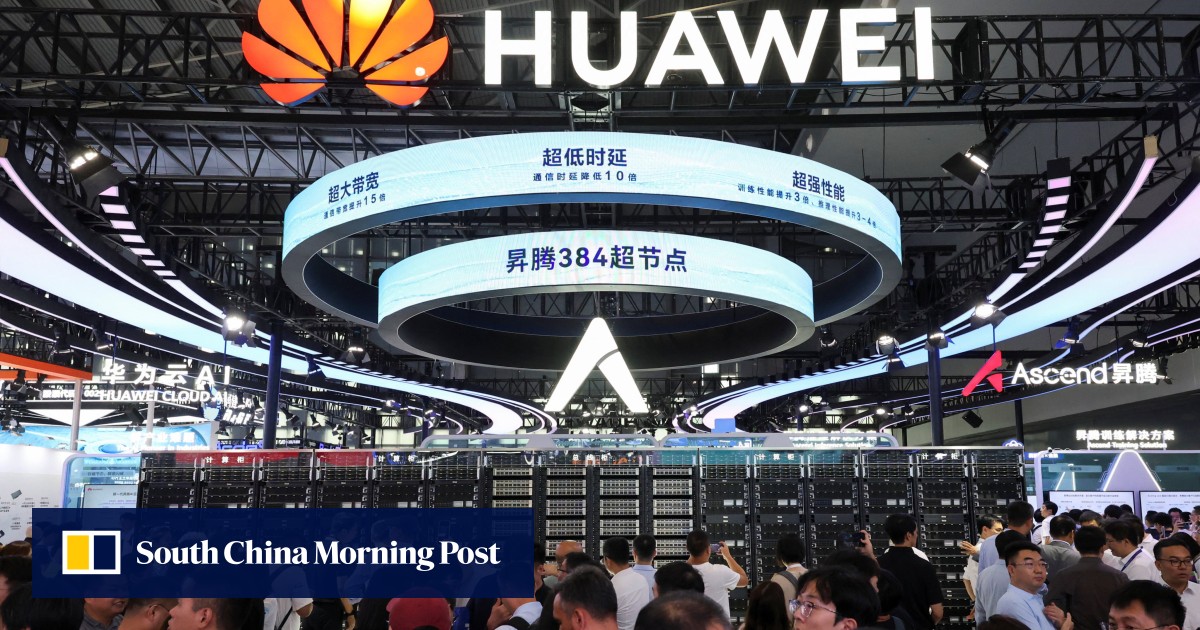
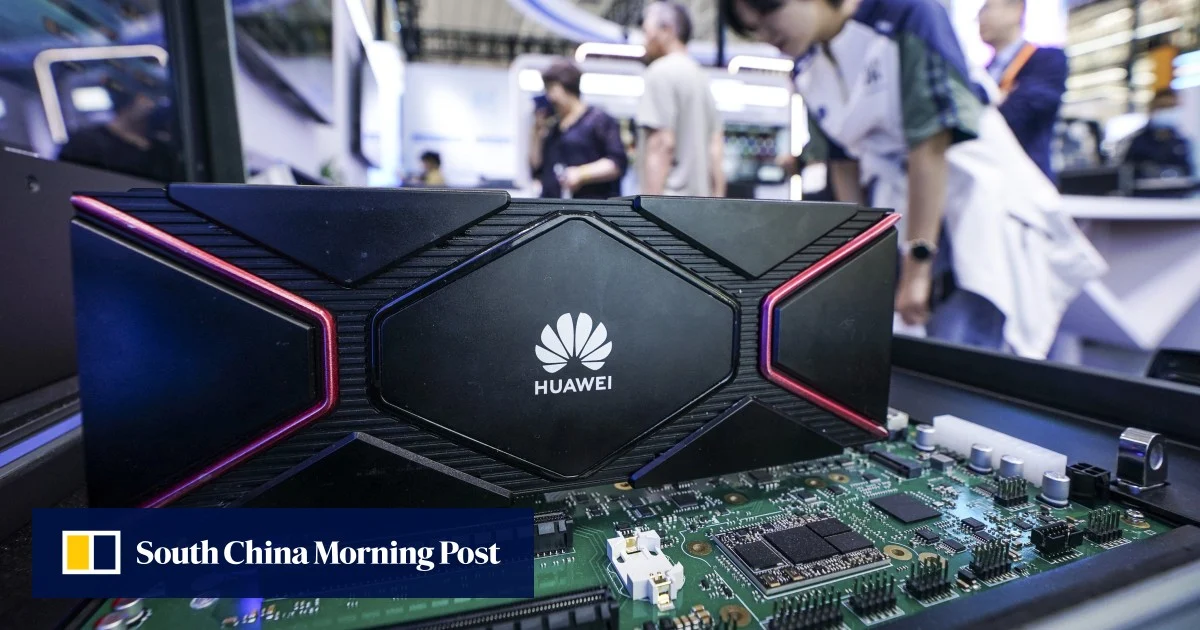
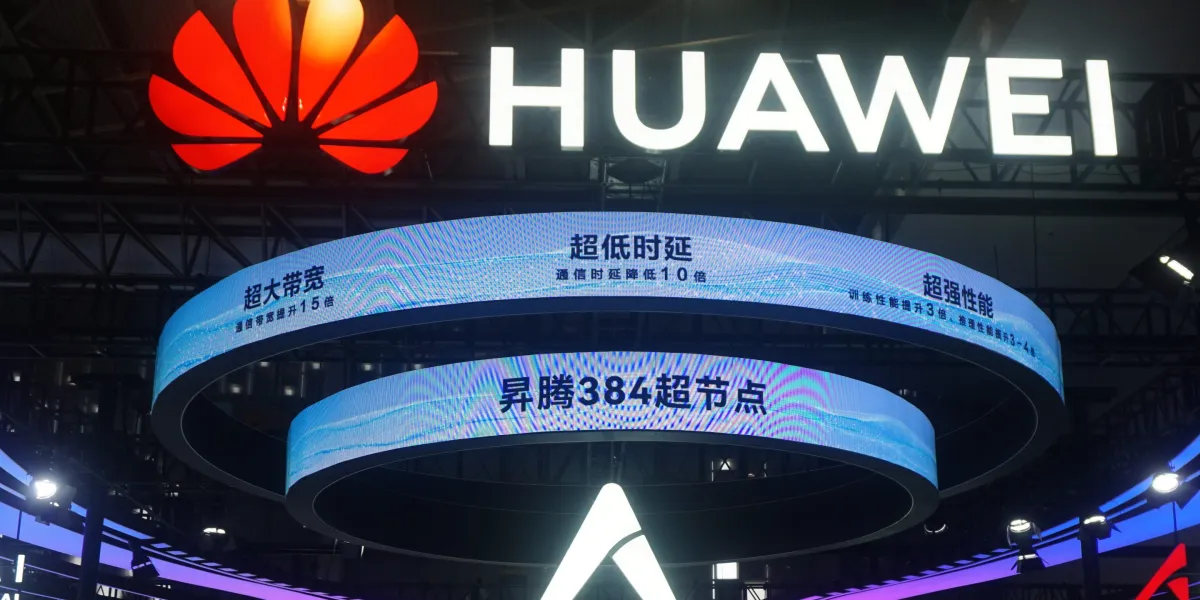
Huawei also unveiled its new SuperPoD cluster designs, which link together thousands of Ascend chips. Xu called the cluster “a single logical machine, made up of multiple physical machines that can learn, think, and reason as one,” according to an official company transcript of his remarks.
“We’re pretty confident that, for the next few years, the Atlas 950 SuperPoD will remain the world’s most powerful SuperPoD. And it will far exceed its counterparts across all major metrics,” Xu said.
Clustering chips together is one way that Huawei is trying to keep up with Nvidia, the market leader in AI chips. Due to U.S. sanctions, Huawei can’t access the most advanced chip production techniques used by manufacturers like TSMC. Products like the SuperPod allow Huawei to connect less powerful chips to get higher performance.