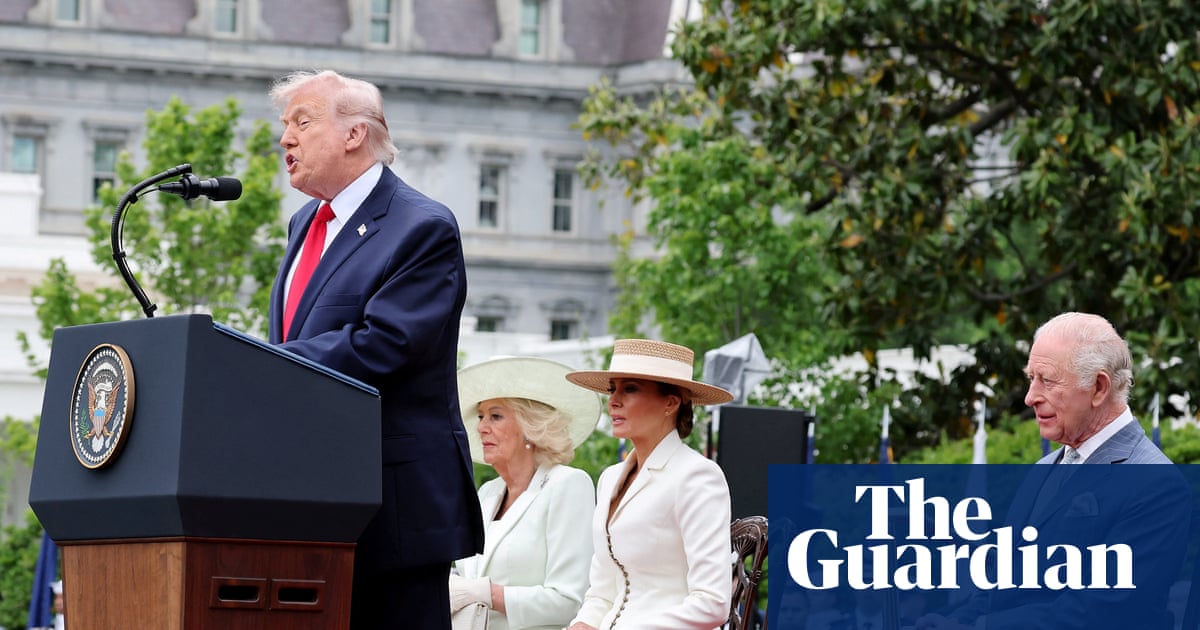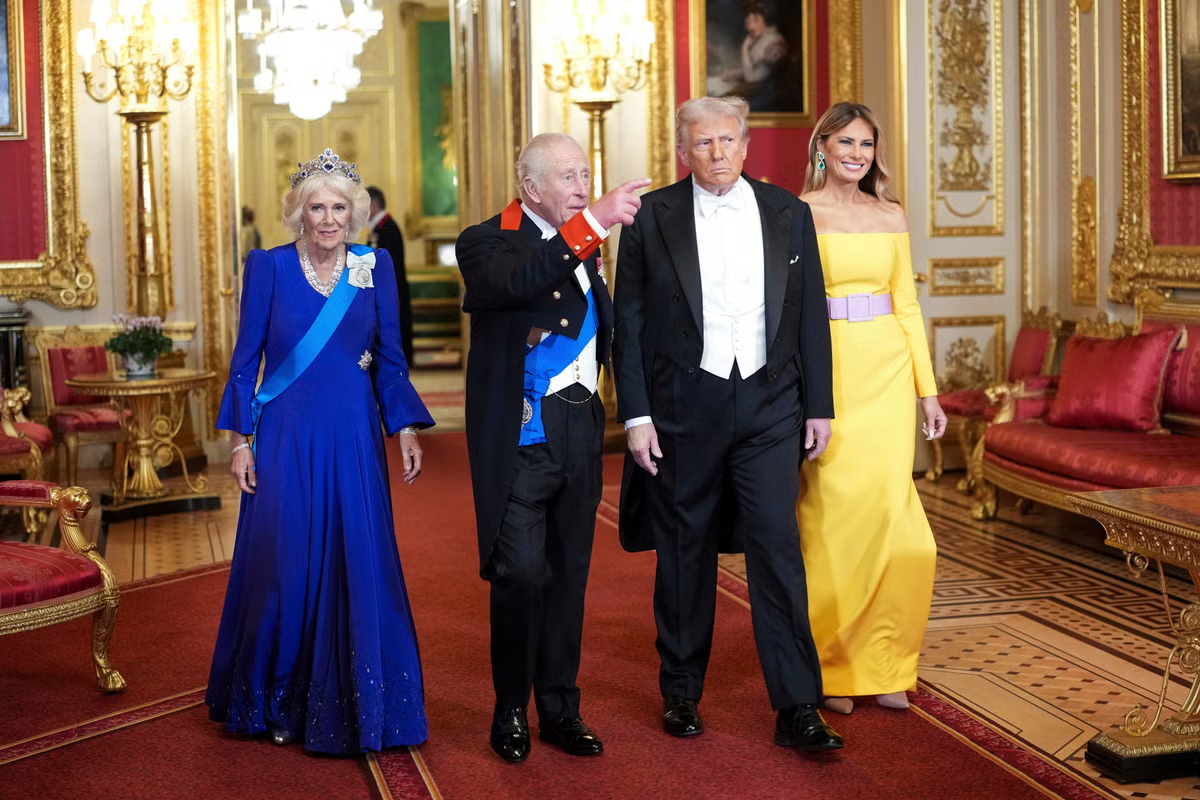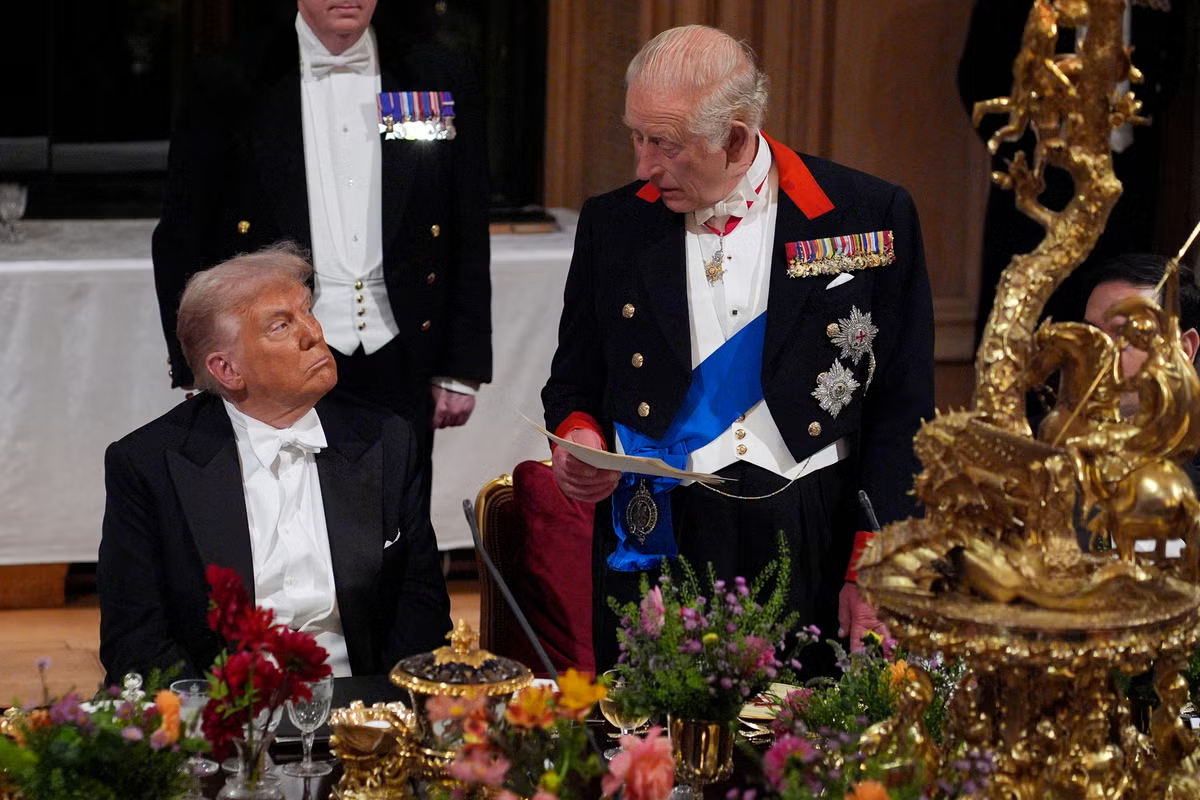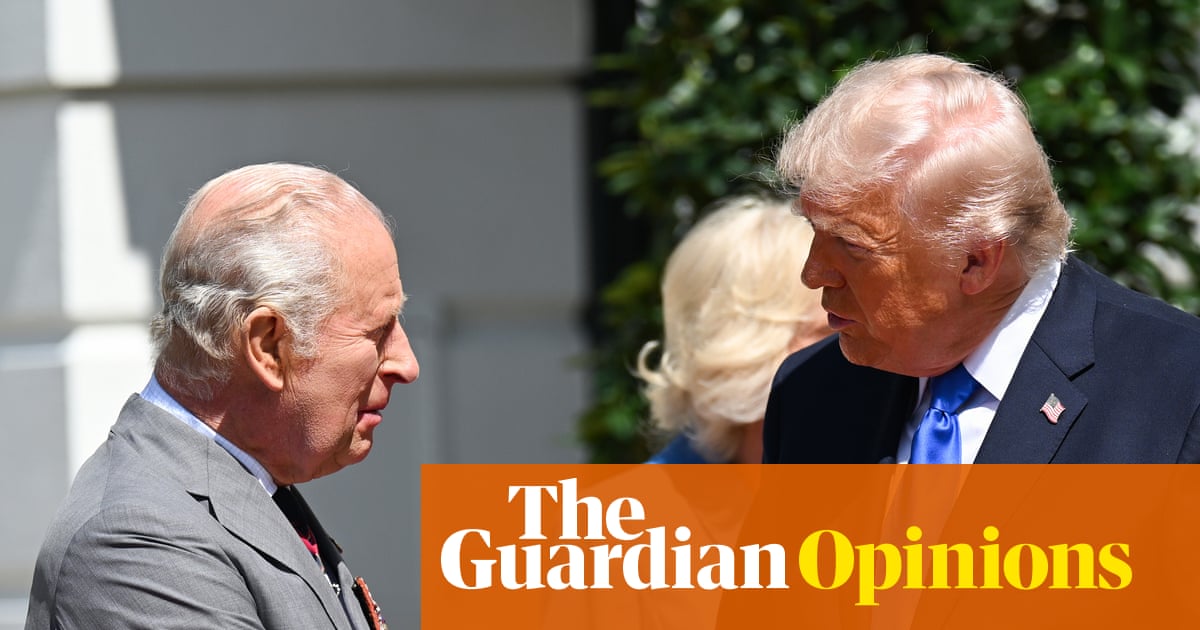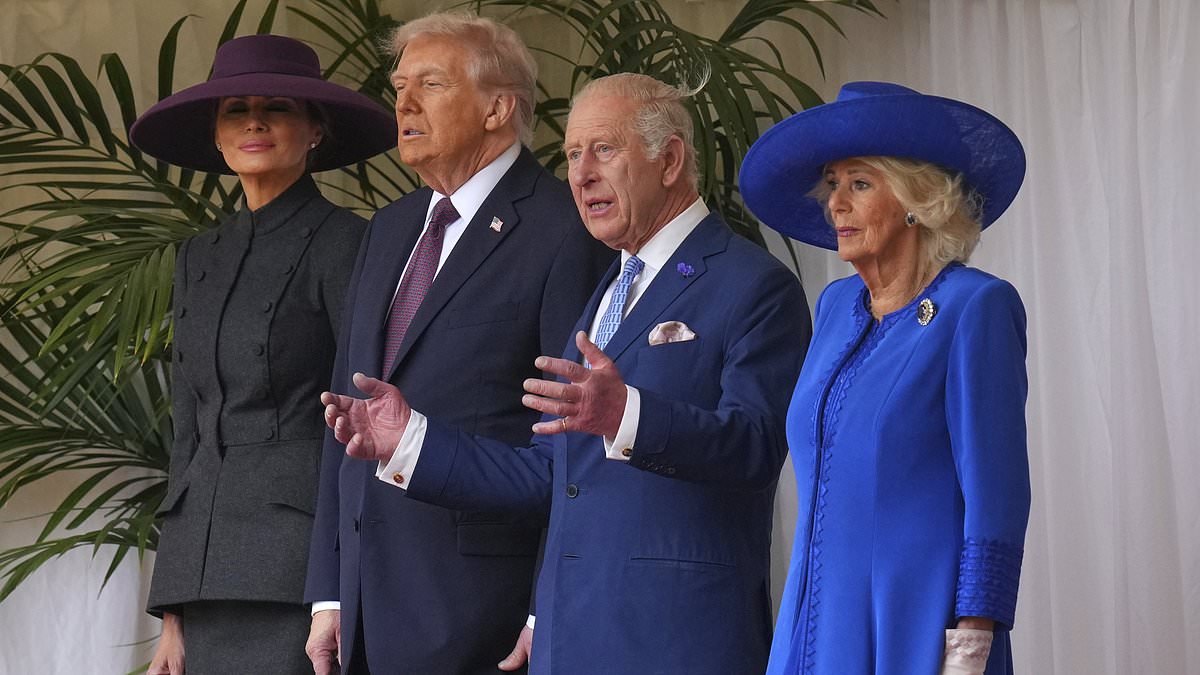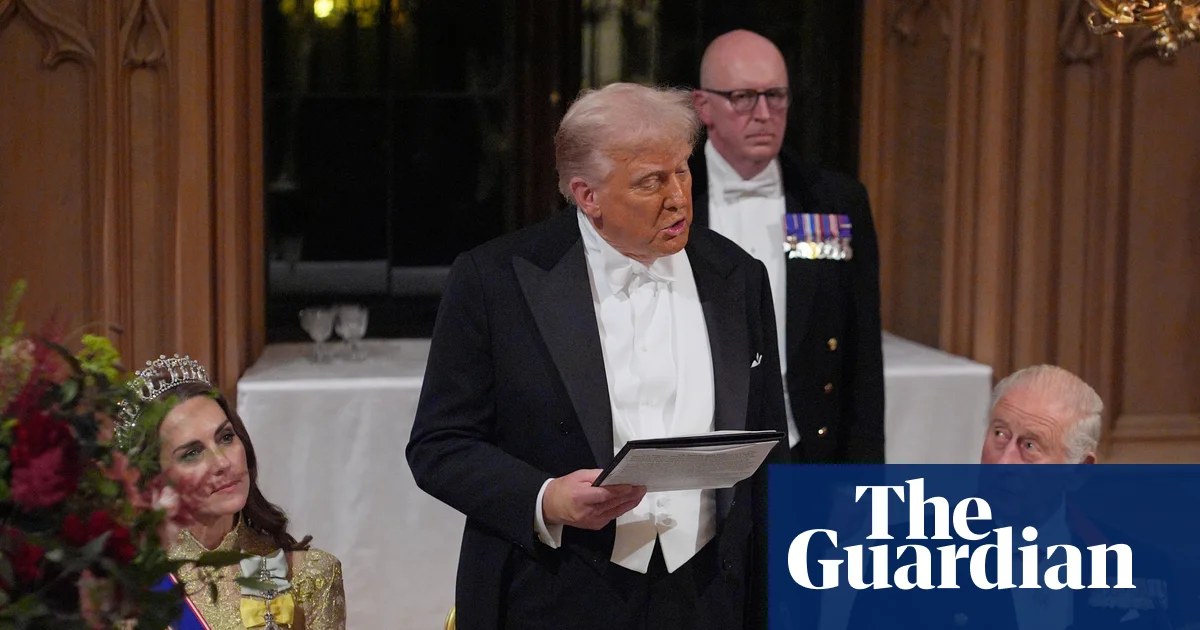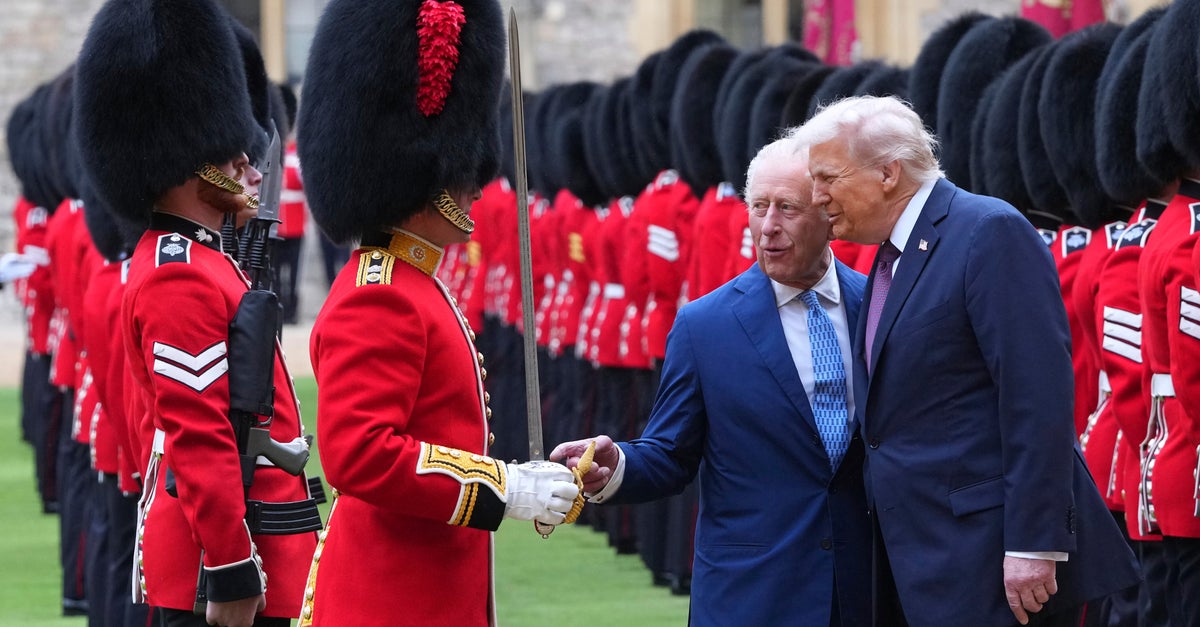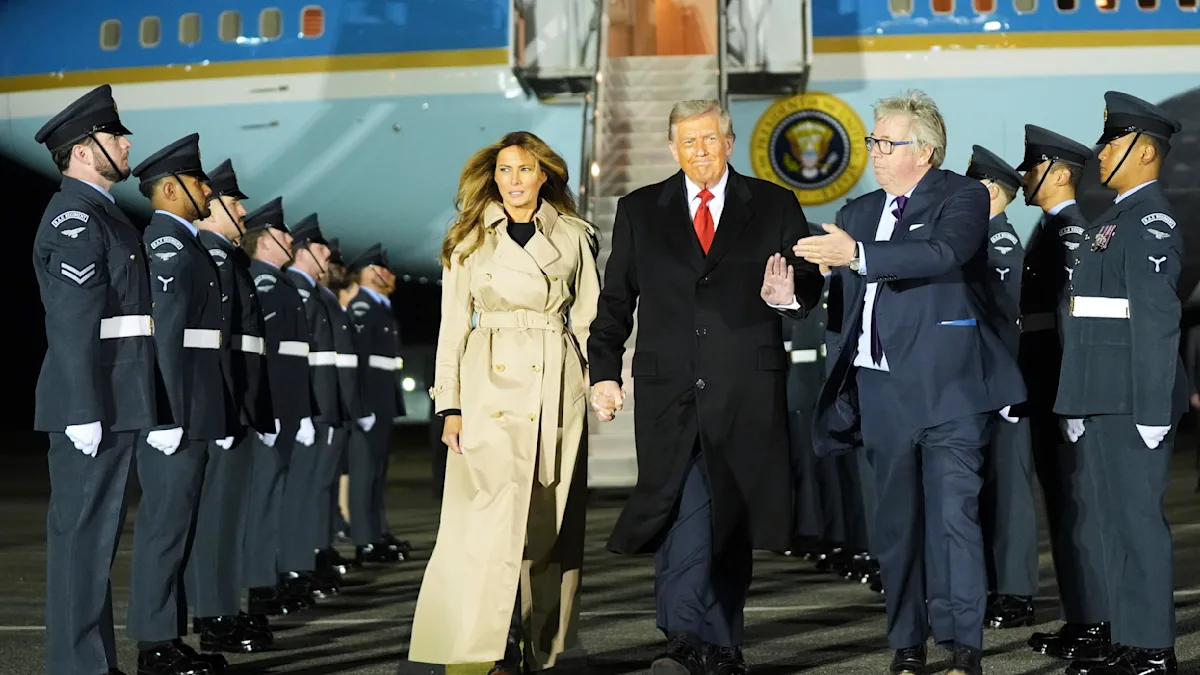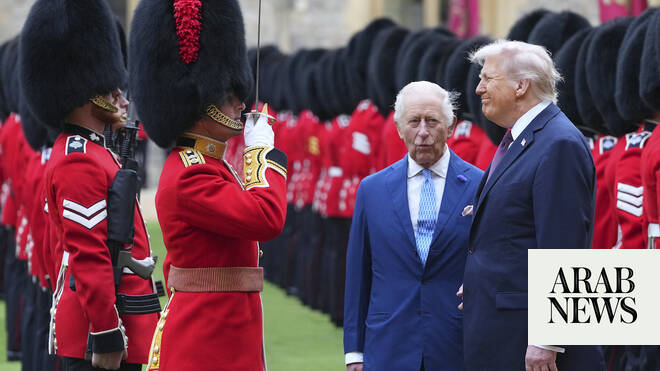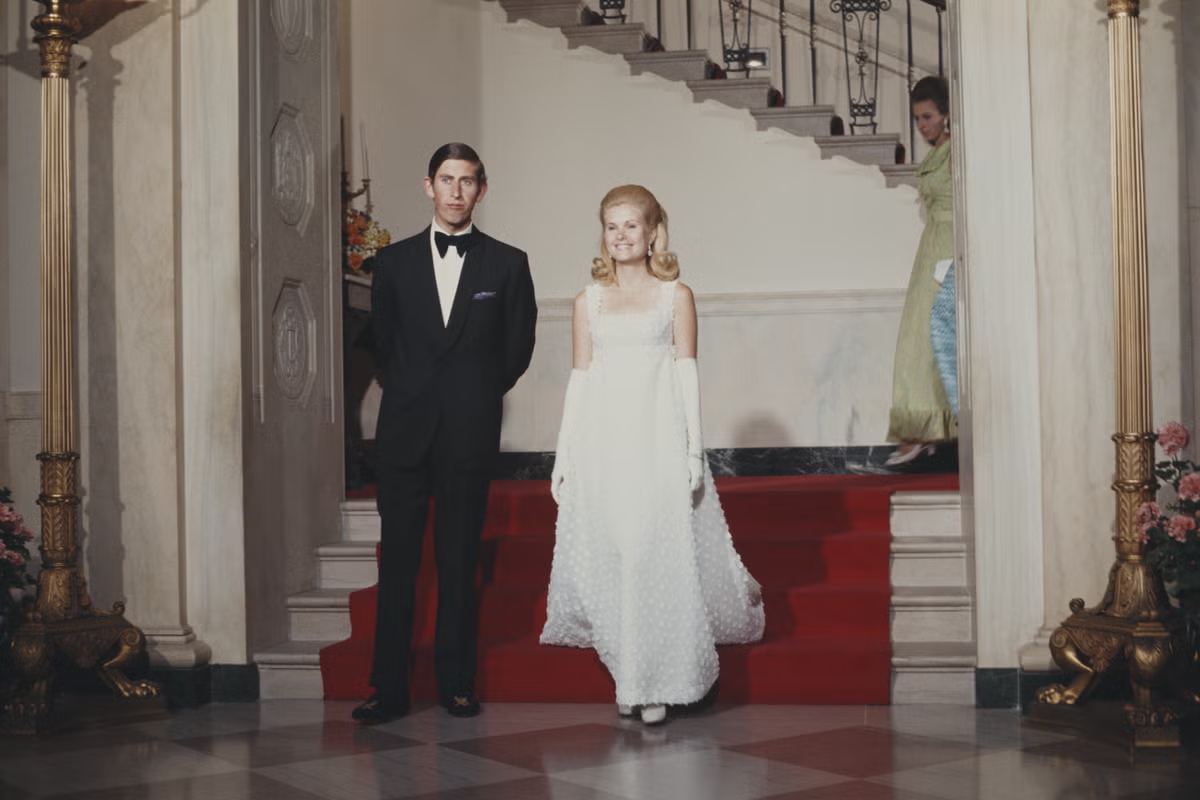
At last night’s state banquet, Trump talked from the heart – he waxed lyrical about the “priceless and eternal” kinship between the UK and the USA, doubled down on the King as his “friend” and wrapped the special relationship in a florid package of “history, fate, love and language”. But it was the more scripted King who penetrated deepest into what might have been a really “special relationship”, alluding to that once-upon-a-time moment when Charles admitted, “I myself might have been married off within the Nixon family!”The attendees tittered gingerly, most none the wiser as to what the old King was talking about. But beneath her sapphire tiara you can be sure the Queen knew precisely what Charles was alluding to. That same fated summer of 1970, when a gauche Prince of Wales first met the impossibly English and pricelessly confident Camilla at a polo match, there was another woman in the frame.When the world’s most “unlikely sex symbol” (cue a very green, 21-year-old Charles) was bumped from Canada to America on a two-day stopover, all eyes were on the prince and President Nixon’s pocket-sized eldest daughter, Tricia. Confident, blonde and crucially, a smidgeon older than Charles, here was a Transatlantic version of Camilla: a young woman with peaches-and-cream sex appeal and political pedigree; small wonder the prince looks terrified in all the footage. President and Mrs Nixon welcome Prince Charles and Princess Anne on the balcony of the South Portico of the White House (Bettmann Archive/Getty)That summer, President Nixon had his eye on the main chance; knee-deep in the quagmire of the Vietnam war and always susceptible to old-school imaging, by all accounts he was “unusually excited about the royals” and hosted a programme of events that threw the prince into constant contact with Tricia. These included a Washington Senators baseball game at RFK Stadium, where the couple sat side by side, engaging in giggling conversation, and a 700-strong dinner-dance at the White House. That same summer, Tricia graced America’s TV cameras with a tour of the upper floor of the White House. Standing on the Harold Truman balcony in a startling white lace minidress, her interview is coquettish yet assured, its style a salient reminder of just how much the American presidential system borrows from Britain’s constitutional monarchy. Often referred to as an elective kingship, arguably the only magic ingredient the USA lacks is the transcendent glamour of the hereditary principle. This was a way of getting the best of both worlds.Decades later, with Tricia safely married to a Harvard lawyer, Charles conceded, “That was quite amusing… they were trying to marry me off to Tricia Nixon.” In America at the time, there was little doubt that this was a special relationship that could seal the real deal. According to one columnist, “Nixon was so infatuated” because he “lacked what Charles and Anne had in abundance”. The article goes on to mock the parvenu president and his “intense but vain search for the magic which the prince … carried along so casually”. Which is one way of describing Charles’s unsure gait and untamed fop of dark hair. In the end, the media dubbed them “the match that didn’t take”, and Nixon’s wide-eyed wonder at the immutable appeal of monarchy was nothing new. For all the king-bashing during the American Revolution (neatly alluded to at the royal state banquet), Thomas Jefferson admitted of royalty in 1789 that “some of us retain that idolatry still”. Stateside, the later wealth-generating 19th century coincided with the growing popularity of Britain’s monarchy under Victoria. America’s vulgar plutocracy couldn’t get enough of our ancient families and titles, in an era when marrying an impoverished English lord became a well-trodden path, most famously modelled by the 9th Duke of Marlborough and his miserable American bride Consuelo Vanderbilt-Balsan. Jennie Jerome, later Lady Randolph Churchill, was an altogether more successful (if less rich) import. Today, Keir Starmer’s reveal of the Churchill archives at Chequers works on more than one level. As President Trump is always keen to remind us: “seen from American eyes, the word ‘special’ does not begin to do ... justice” to the relationship between the two countries. Perhaps not, but if in 2025 Britain is prepared to flaunt all its old-school glory (including a “so beautiful” Kate wrapped in a gold frock coat, strategically located next to a puffed-up Donald) in the vain hope of better trading terms, we can only wonder where a Nixon in Buckingham Palace might have left us. Prince Charles with Tricia Nixon at a baseball game in Washington, 20 July 1970 (Mirrorpix)Presumably, as a single woman from America’s first family, Tricia would have avoided the more vicious criticism and snobbishness that plagued Wallis Simpson (although the Watergate scandal may well have upended the Windsors’ claim to political impartiality). As for the twice-married woman from Baltimore who snared Edward VIII, Mrs Simpson didn’t have a hope in hell of winning the snooty British public round. JohnTravolta dancing with Prince Diana in 1985 was far nearer the mark – sufficiently fleeting and Hollywood-performative for everyone to feel like a winner (Charles long since forgotten as the star attraction of Windsor PLC).Nearly a century on from Mrs Simpson, Meghan’s marriage to Prince Harry suggests that little Britain’s capacity to deliver a latent sneer lives on. Meanwhile, over in California, Meghan’s limpet-like commitment to her duchess title has done little to allay UK fears of being used. As for Trump, the man who has it all except a crown, his version of America does not recognise the Meghan Markles of this world. This 47th president, of Scottish protestant descent and the son of a keen monarchist, clearly feels much closer to the British royal family than to a mixed-race princess from his own country. His lavish praise went in one direction only, as he pointedly insisted the king had raised a “remarkable son, His Royal Highness the Prince of Wales”, who Trump assured us would have “unbelievable success in the future”. Prince Harry and his American bride were the unspoken elephant in the room during Trump’s speech (Getty)Prince Harry and his choice of an American bride were the unspoken elephant in the room – a reminder that only half of America backs this controversial president whom Starmer’s Britain has set upon the highest pedestal. It speaks to the perversions of a world divided as never before, led by Donald Trump, who encourages those divisions, and in which the current rupture at the centre of our own royal family has actually proved something of a diplomatic asset during this unprecedented second state visit. As to whether Queen Camilla appreciated being reminded of her blonde rival from over 50 years ago, a little light diplomacy behind closed doors may be required…Tessa Dunlop is the author of ‘Elizabeth and Philip, The Story of Young Love, Marriage and Monarchy’
Why King Charles has never forgotten his special relationship with Nixon’s daughter
In the same year that a young Prince of Wales was photographed at a polo match with a wide-eyed Camilla, there was another blonde woman in the frame – Tricia Nixon, daughter of the US former president, writes Tessa Dunlop. So why didn't their ‘special relationship’ turn into the real deal?
1,142 words~5 min read