Instead, the $252 billion option would include additional Patriot missile batteries and air-control squadrons, dozens of new aircraft, and next-generation systems to defend against drone and cruise missile attacks on major population centers, military bases, and other key areas.
At the other end of the spectrum, Harrison writes that the “most robust air and missile defense shield possible” will cost some $3.6 trillion through 2045, nearly double the life cycle cost of the F-35 fighter jet, the most expensive weapons program in history.
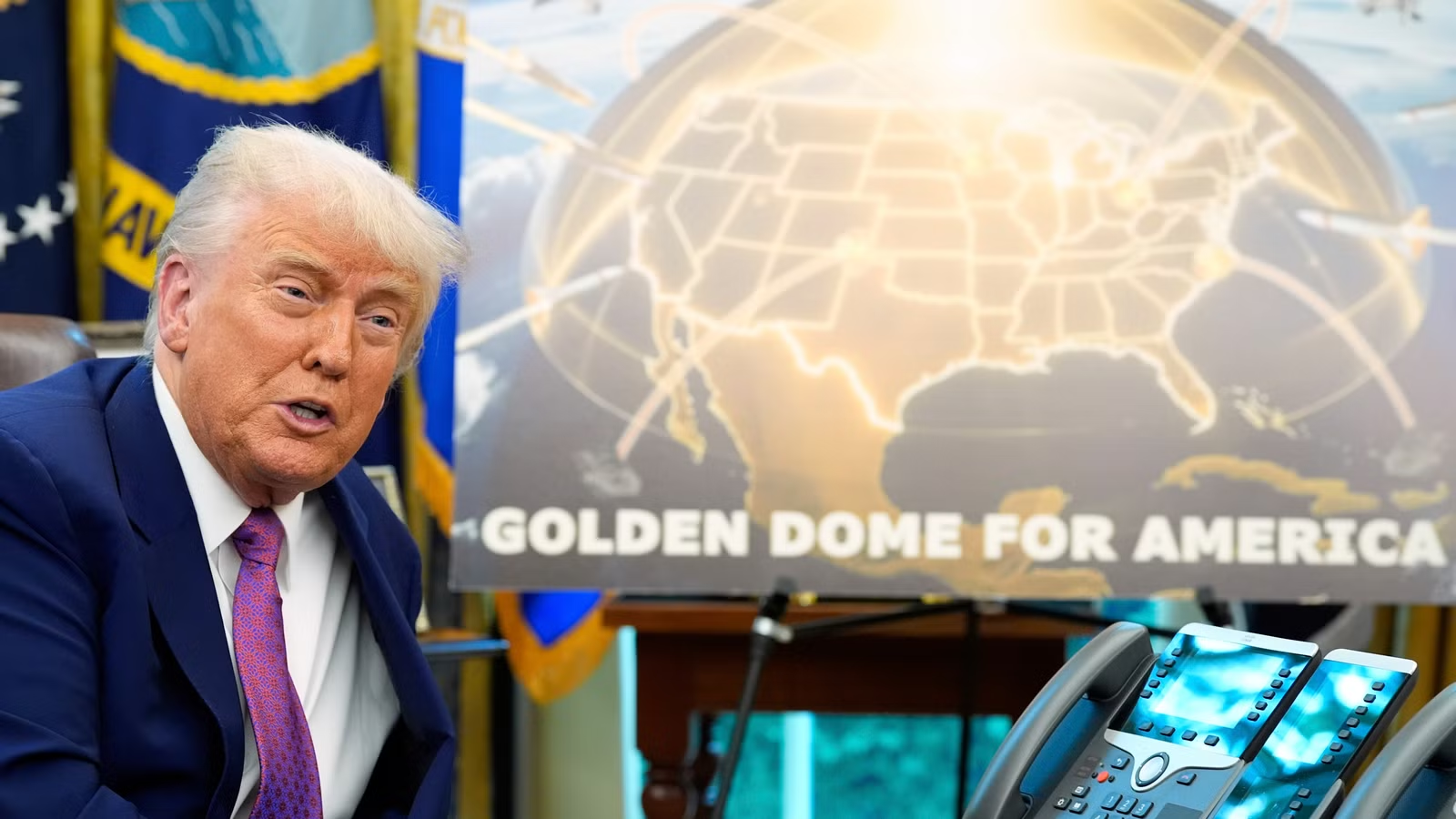
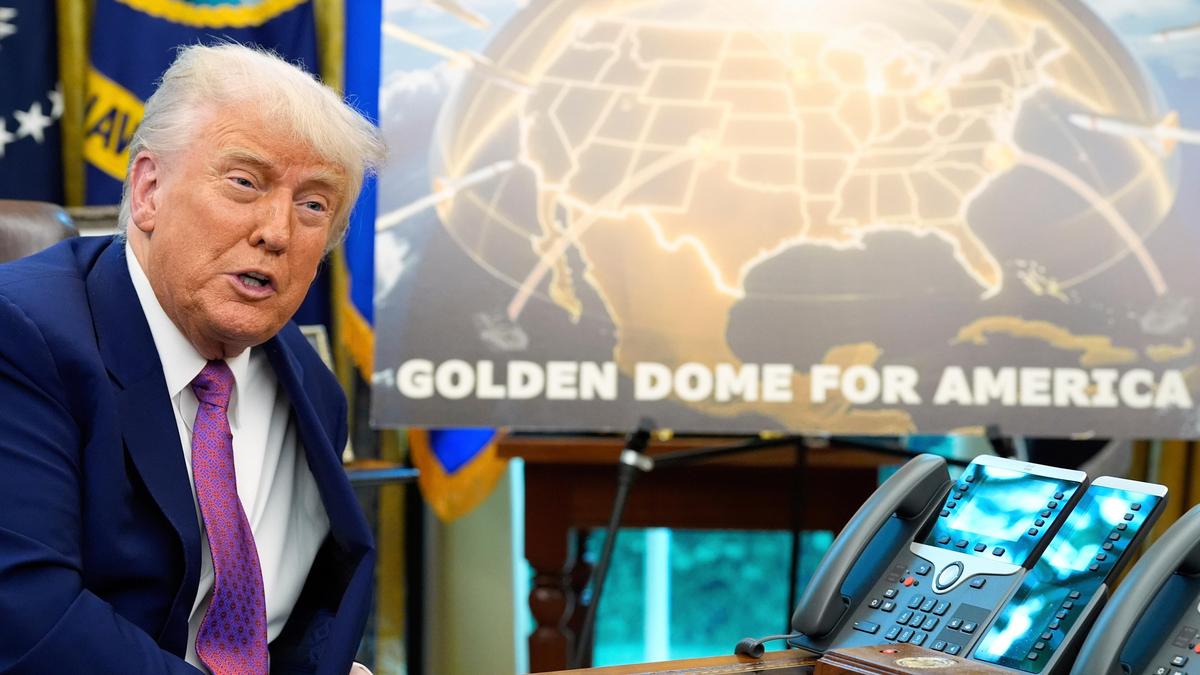
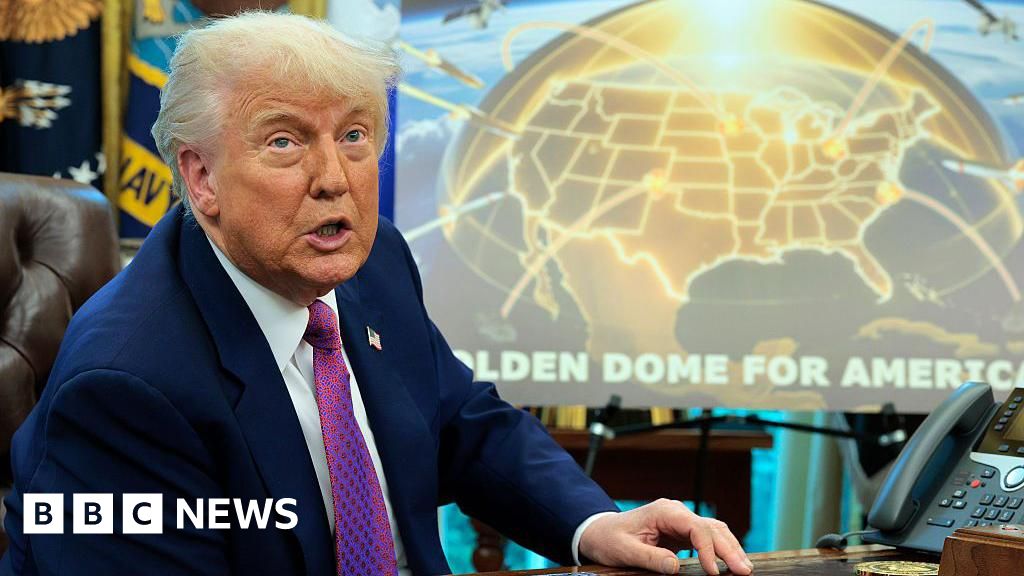
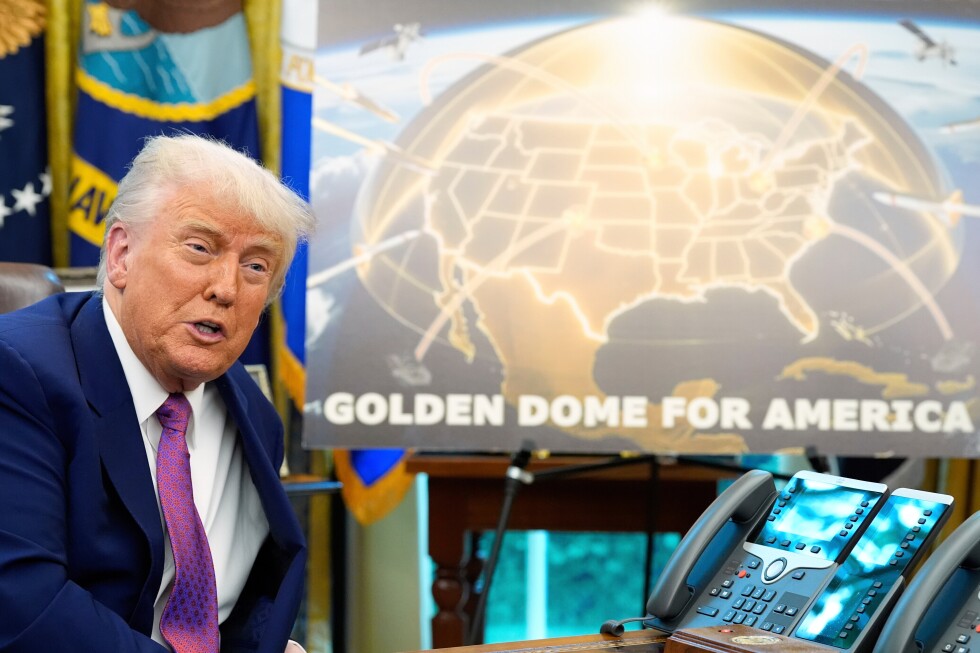
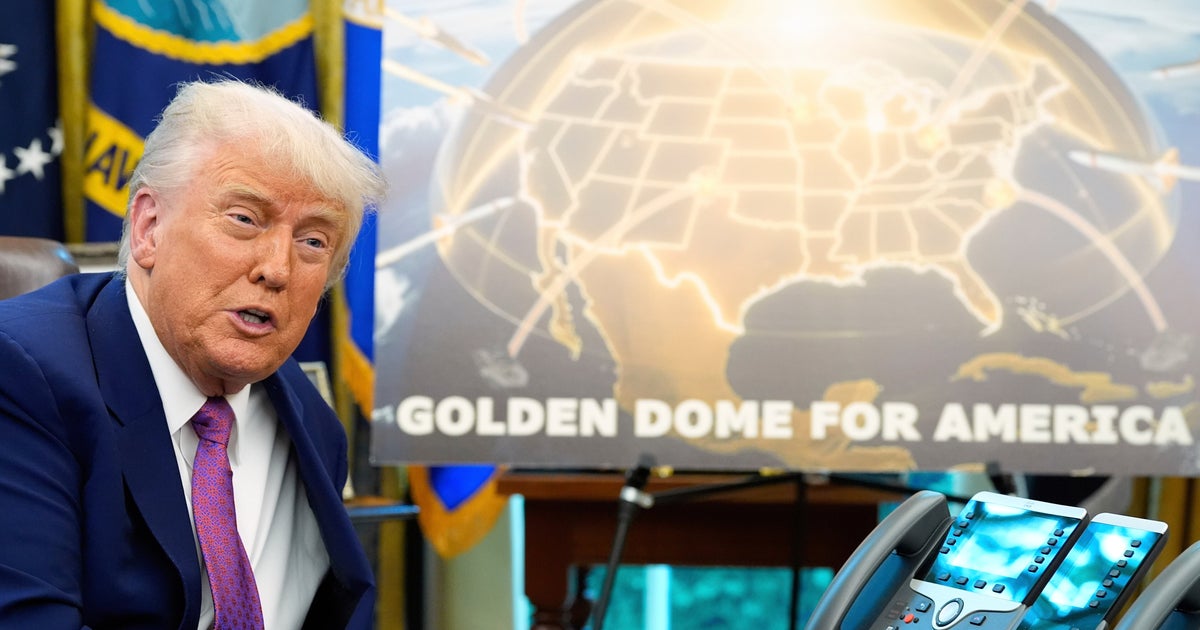
“In his Oval Office announcement, President Trump set a high bar for Golden Dome, declaring that it would complete ‘the job that President Reagan started 40 years ago, forever ending the missile threat to the American homeland and the success rate is very close to 100 percent,’” Harrison writes.
The numbers necessary to achieve this kind of muscular defense are staggering: 85,400 space-based interceptors, 14,510 new air-launched interceptors, 46,904 more surface-launched interceptors, hundreds of new sensors on land, in the air, at sea, and in space to detect incoming threats, and more than 20,000 additional military personnel.
SpaceX’s Starship rocket could offer a much cheaper ride to orbit for thousands of space-based missile interceptors.