Welcome to Eye on AI, with AI reporter Sharon Goldman. In this edition…a new report says a growing standard for fighting AI fakes puts privacy on the line…Nvidia and Intel announces sweeping partnership to co-develop AI infrastructure and personal computing products…Meta raises its bets on smart glasses with an AI assistant…China’s DeepSeek says its hit model cost just $294,000 to train.
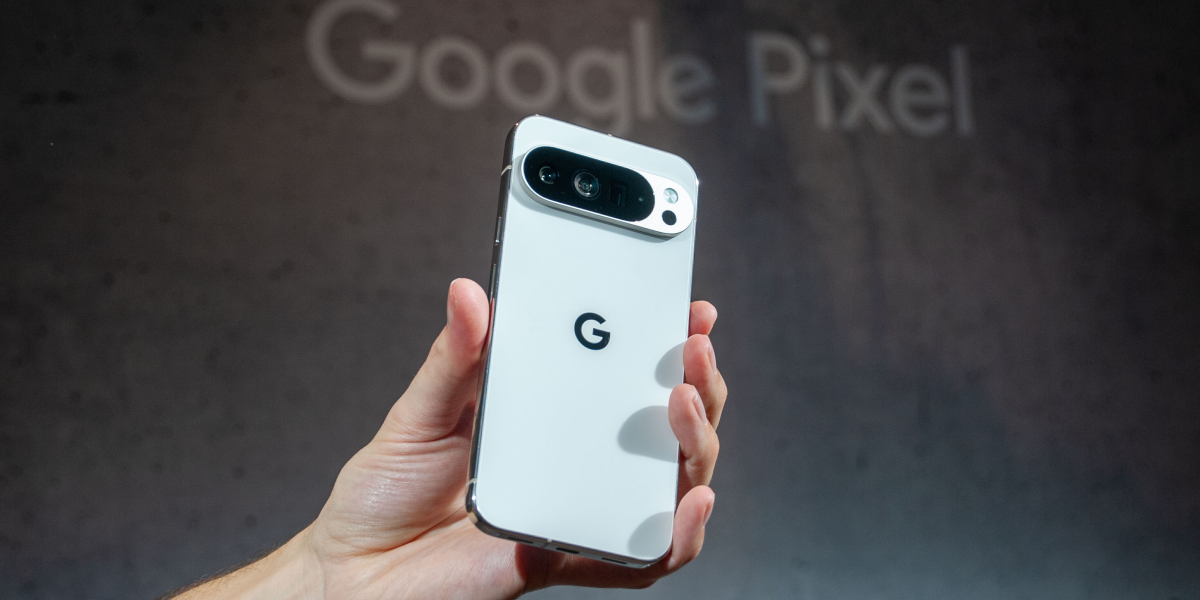
Last week, Google said its new Pixel 10 phones will ship with a feature aimed at one of the biggest questions of the AI era: Can you trust what you see? The devices now support the Coalition for Content Provenance and Authenticity (C2PA), a standard backed by Google and other heavyweights like Adobe, Microsoft, Amazon, OpenAI and Meta. At its core is something called Content Credentials—essentially a digital nutrition label for photos, videos, or audio. The metadata tag, which can’t easily be tampered with, shows who created a piece of media, how it was made, and whether AI played a role.
Over a year ago, I reported that TikTok would automatically label all realistic AI-generated content created using TikTok Tools with Content Credentials. And the standard was actually founded before the current generative AI boom: The C2PA was founded in February 2021 by a group of technology and media companies to create an open, interoperable standard for digital content provenance, or the origin and history of a piece of content, to build trust in online information.