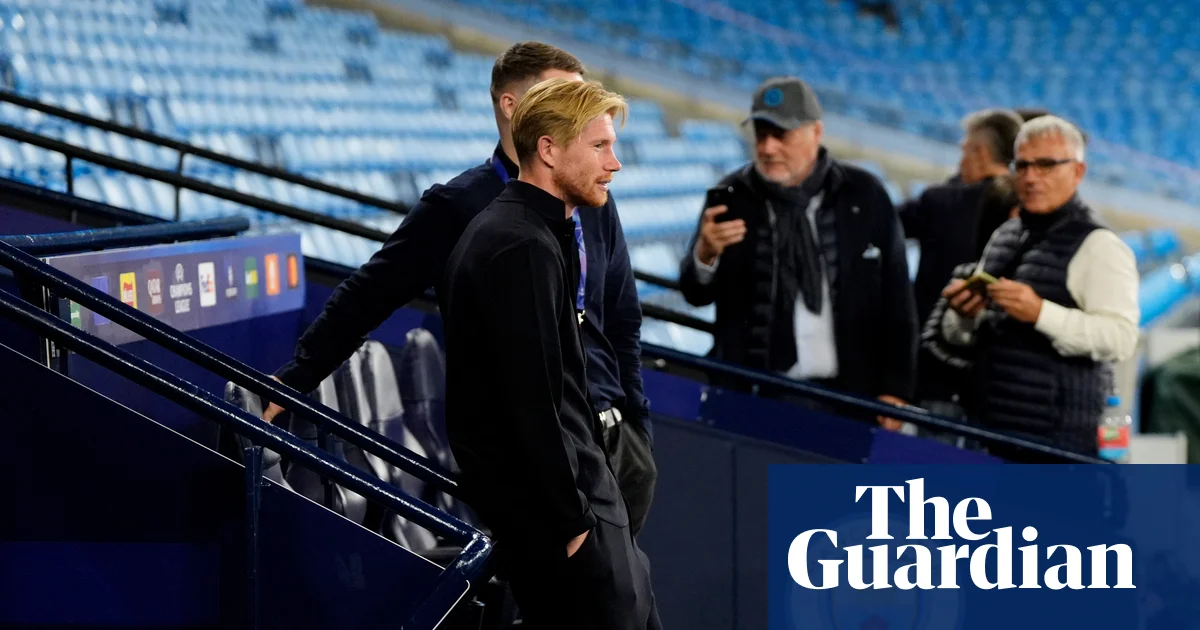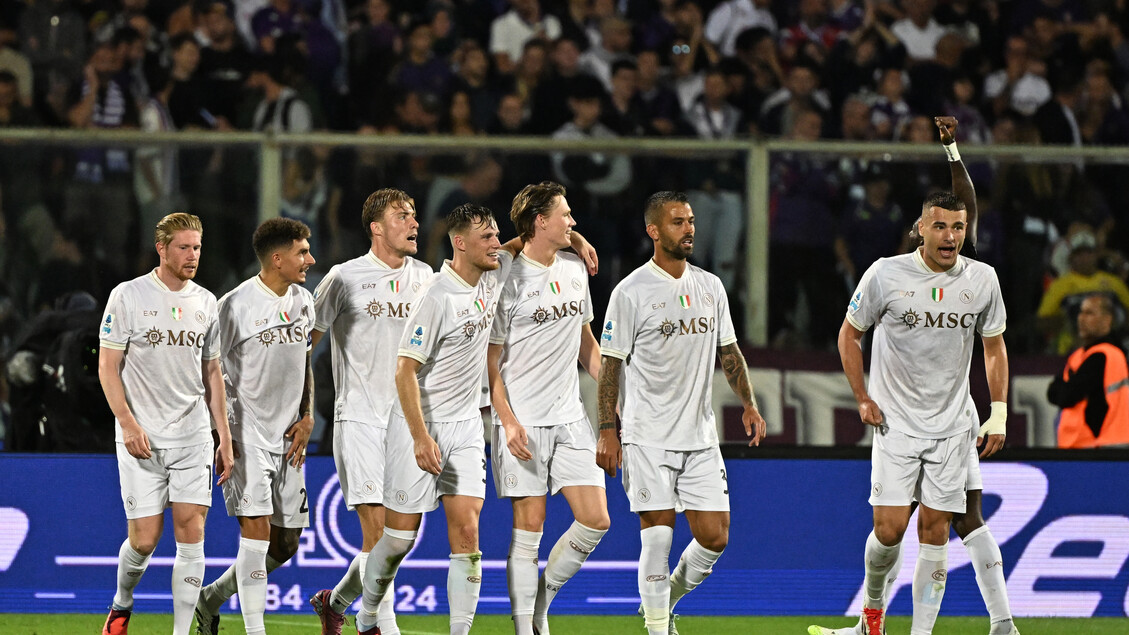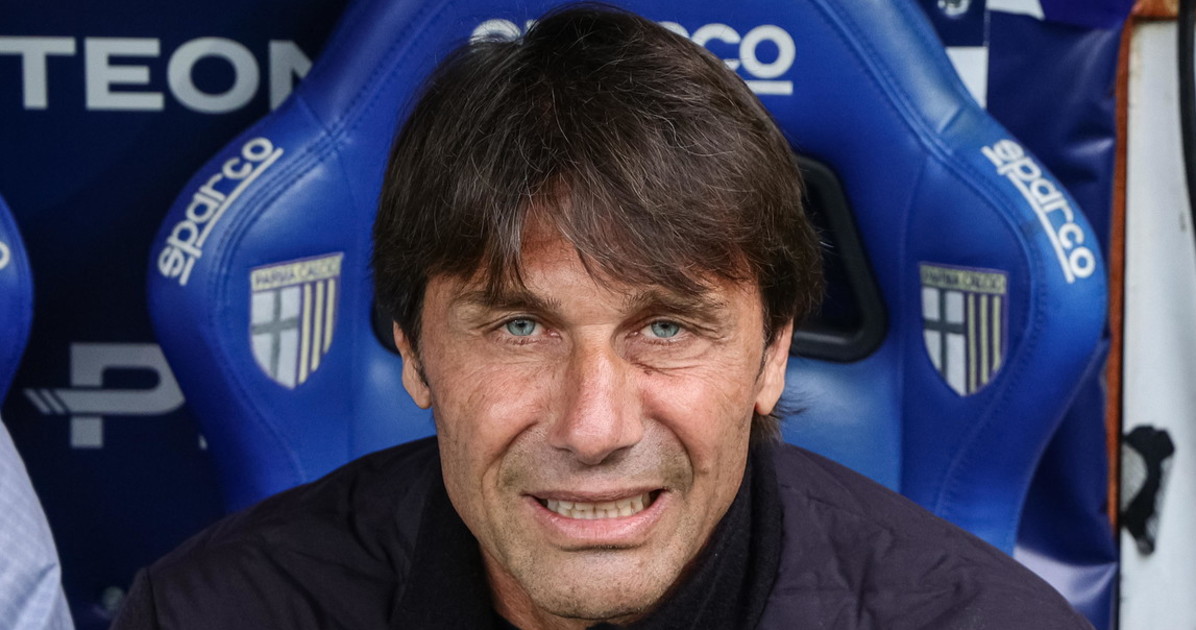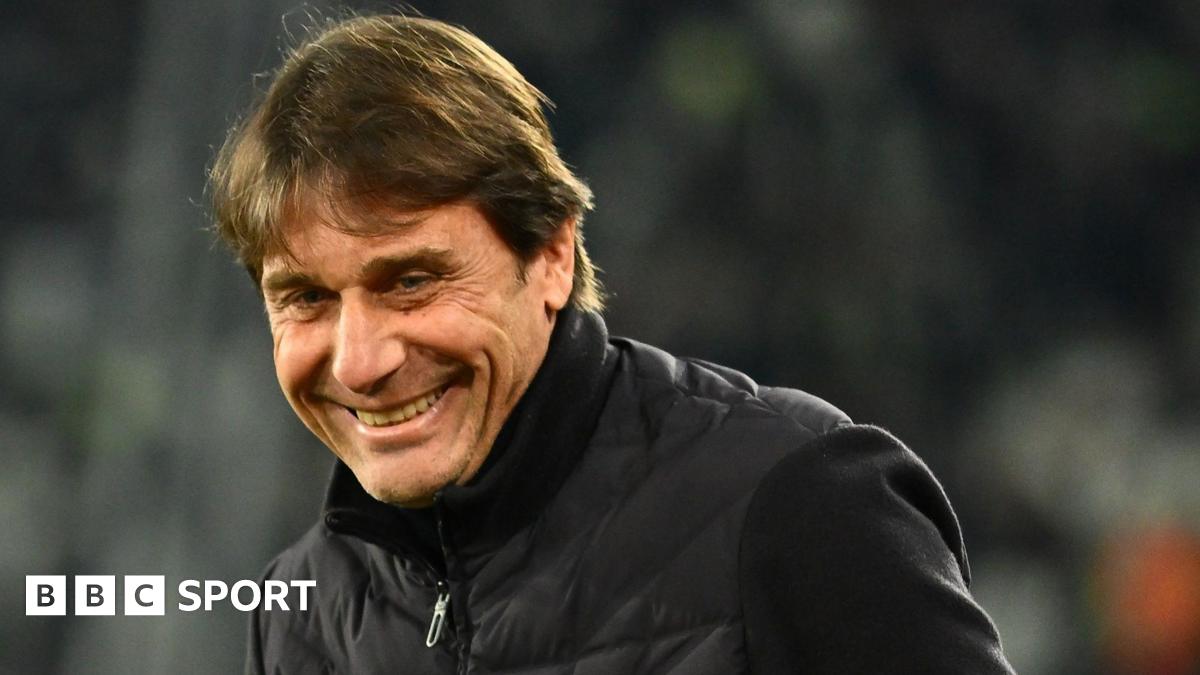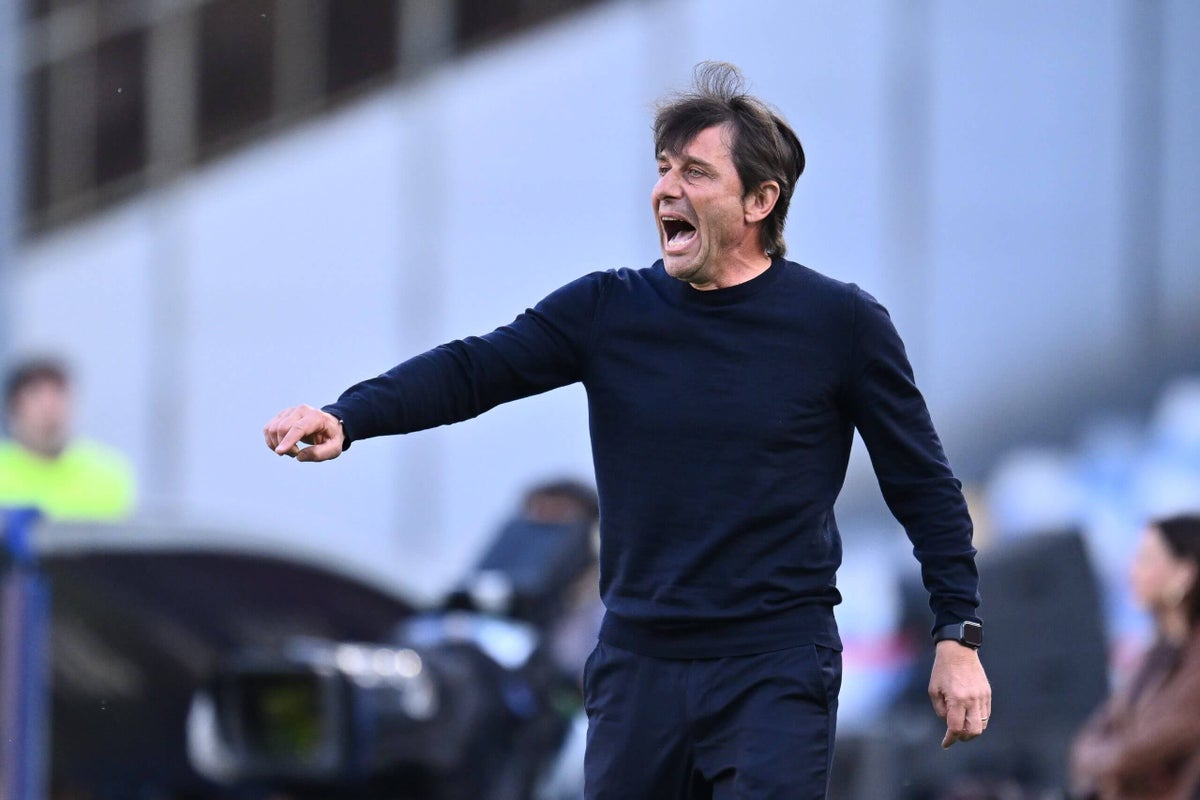
Antonio Conte approached the Subbuteo table. It was the autumn of 2021, a matter of weeks before Tottenham Hotspur picked up the phone and asked him to succeed Nuno Espirito Santo. Conte was on stage at the Festival dello Sport, an event the newspaper Gazzetta dello Sport holds every year at the foot of northern Italy’s Dolomite mountains.Conte had been asked by the host Andrea Di Caro to demonstrate the 4-2-4 formation, in and out of possession. It was the system with which he got Bari and Siena promoted to Serie A in 2009 and 2011, respectively, the one he was apparently too wedded to and fixated on, according to the local media in Turin anyway, in the days that followed his appointment as Juventus coach in the latter year.Standing over the green baize, Conte was beside himself. He looked at the figurines and began to laugh. The production staff thought they knew him well enough to lay them out in anticipation. “They’ve put them in a back three,” Conte cracked up.That was the way his title-winning teams at Juventus, Chelsea and Inter had played.The 3-5-2 and its variations have become so synonymous with Conte that memories of him setting sides up differently and being equally successful, the Conte deep-cuts, have faded. He has been typecast, over and over again, as rigid and dogmatic, one of football’s fundamentalists. These are inflexible opinions about a flexible manager.Conte arrived in Manchester this week at an interesting time. Napoli’s opponents in the Champions League, Manchester City, humbled their neighbours Manchester United 3-0 in the derby at the weekend. Once again, the analysis of United’s shortcomings focused on Ruben Amorim’s unwillingness to compromise on playing 3-4-2-1 regardless of disappointing results and performances. “I’m not going to change,” he said. “I believe in my way, and I am going to play my way until I change.”Casual observers may have expected Conte to exhibit the same behaviour if he were in charge of United. They would have assumed he’d use the same formation as Amorim and been as cutting in his communication. But, as detailed earlier, Conte has changed. It’s why he keeps winning.At his family home in Turin, Conte has an office. It’s where he watches and studies games. There is a Subbuteo table like the one he stood over in Trento. He uses it as an idea-log, an illustrator. If a pattern of play on TV inspires him, he rises from his chair, reconfigures the Subbuteo players and imagines scenarios.“Football is in a constant state of evolution,” Conte keeps saying. “Us coaches study one another, and when we see ideas we like, we then try to make them our own and mould them according to our ideas.”In his hiatus between leaving Tottenham and taking over Napoli, Conte did not sit idle. He watched and learned. He updated. Conte 3.0 emerged. Make no mistake, core principles remain. Conte has his non-negotiables. The eat grass, spit blood mentality is intact. Victory still has to come through balance. As ever, intensity distinguishes his teams.But let’s say you’d been in a coma for a year, missed his appointment by Napoli and went to watch them beat Fiorentina 3-1 at the Artemio Franchi on Saturday. Considering how they played, you would have been forgiven for thinking they were not coached by Conte. Napoli set up with a back four. The captain Giovanni Di Lorenzo was in a hybrid role, neither a full-back, a centre-back, nor a midfielder. He played wherever he was needed. And so did Kevin De Bruyne, a phonebook player. Call him up at 6, 8, 11, 9, 10, and 4, and you’ll always get through to him. The line never drops. More lines open up. The passing network widens.
The new Antonio Conte – evolving yet again and showing his flexibility as a coach
Expect a different version of an Antonio Conte team when Napoli face Manchester City on Thursday
1,875 words~9 min read