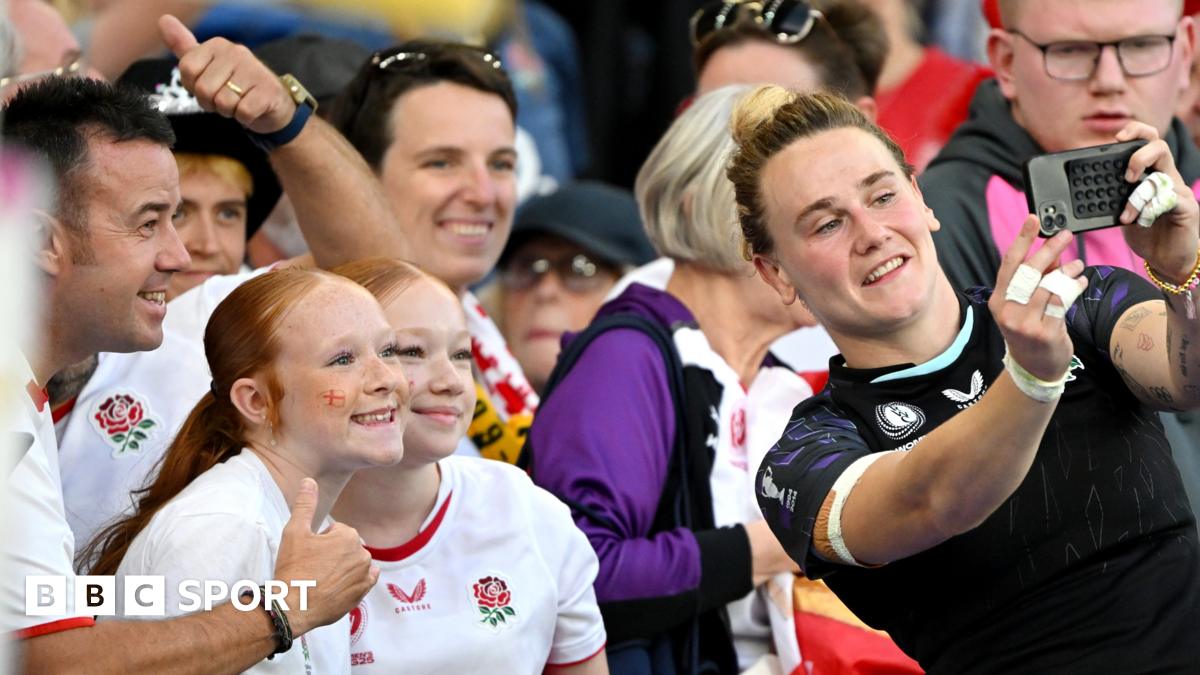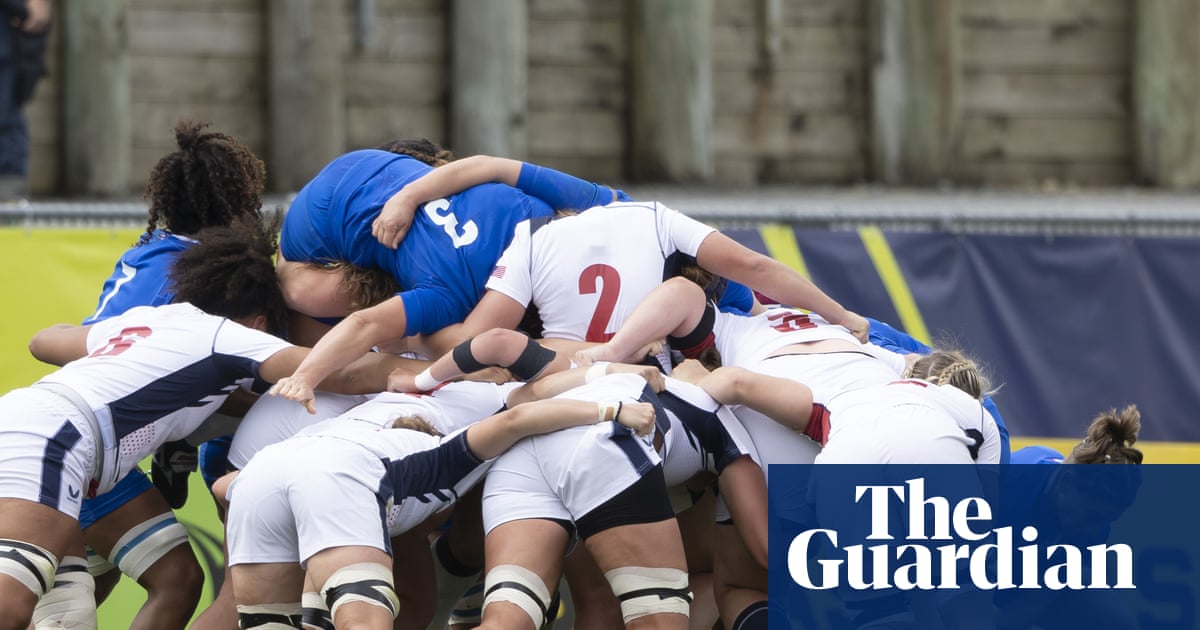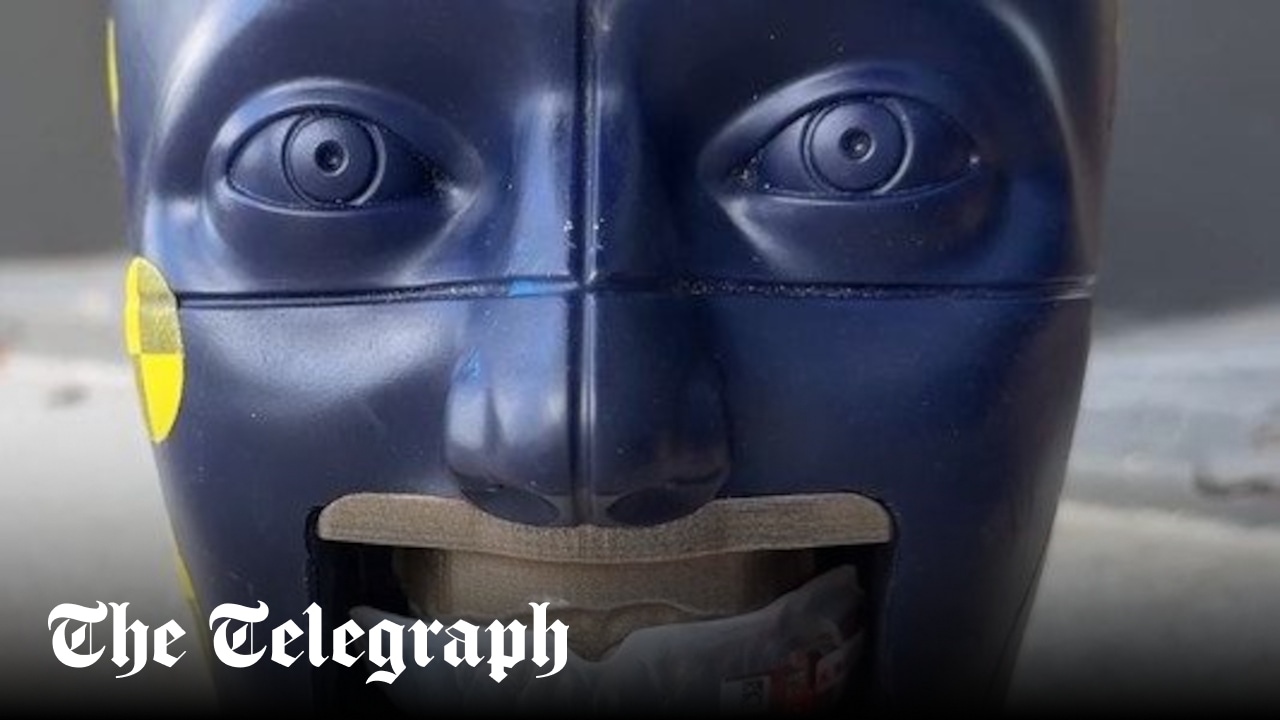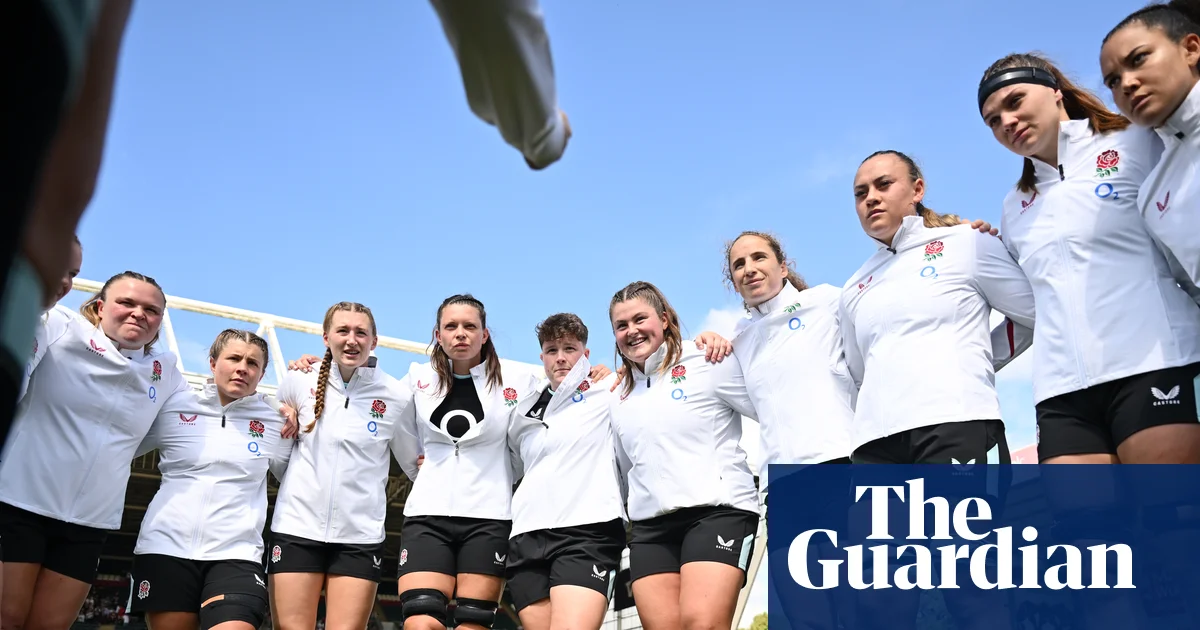
The Women’s Rugby World Cup has had record attendances and record viewing figures in the United Kingdom, introducing new fans to rugby union.But what might not be so widely known is that an equipment innovation has also been introduced during the 16-team tournament in England, which is now at the semi-final stage.Set to be rolled out across the sport at all elite levels after the World Cup concludes next weekend, mouthguards that have a visible LED that flashes red when a player sustains a significant head impact during a match are being worn by players at the World Cup.Previously used smart mouthguards, which were introduced to the sport in October 2023, had no flashing light and instead informed matchday doctors of strong head collisions via Bluetooth.World Rugby, rugby union’s world governing body, is hoping the introduction of the LED feature can help raise awareness around head injuries and concussions.Speaking at the England World Cup player welfare briefing, Lindsay Starling, the science and medical manager for World Rugby, said: “It now means that everyone will be able to tell when a player has sustained a significant head injury during the match because their mouthguard will be flashing red. It will create awareness in the stands and among fans on TV.“It also means there’s absolutely no delay in a player being pulled off the field after sustaining a big head impact because everyone on the field will see they have had a big knock.” This has happened during this World Cup, with six alert events over one weekend of the group stages.But how do they work, and will these mouthguards help reduce the severity of head injuries in rugby union, and potentially even be used in other contact sports?Who makes them?The clear mouthguards are created by Prevent Biometrics, an American company that has worked with World Rugby since 2021 and provided the first iteration of smart mouthguards that were introduced in 2023.Its chief science officer, Adam Bartsch, told The Athletic that the mouthguards created for World Rugby have always had LED lights. It is just that the governing body have now decided to turn them on.Bartsch said: “I suspect on their end, they had to go through some verifications to ensure the data we are providing them was useful and accurate.“That takes a little bit of time, so it’s no surprise to me that back in 2021, they didn’t tell us to flip on the lights. So it’s taken a few years, but I think that’s kind of the right amount of time for everything to marinate, to get ready for being used on the big stage.”World Rugby trialled the mouthguards in Major League Rugby, a professional league in America, and the World Rugby Under-20 Championship last month.Bartsch described the LED mouthguards, which have a rough value of $200-$250 per unit, as “the overnight success that took 20 years”.
Women’s Rugby World Cup: How flashing mouthguards are helping detect potential head injuries
A piece of equipment has been introduced at the Women's Rugby World Cup which neurosurgeons and a NASA-trained mathematician helped design
1,663 words~8 min read