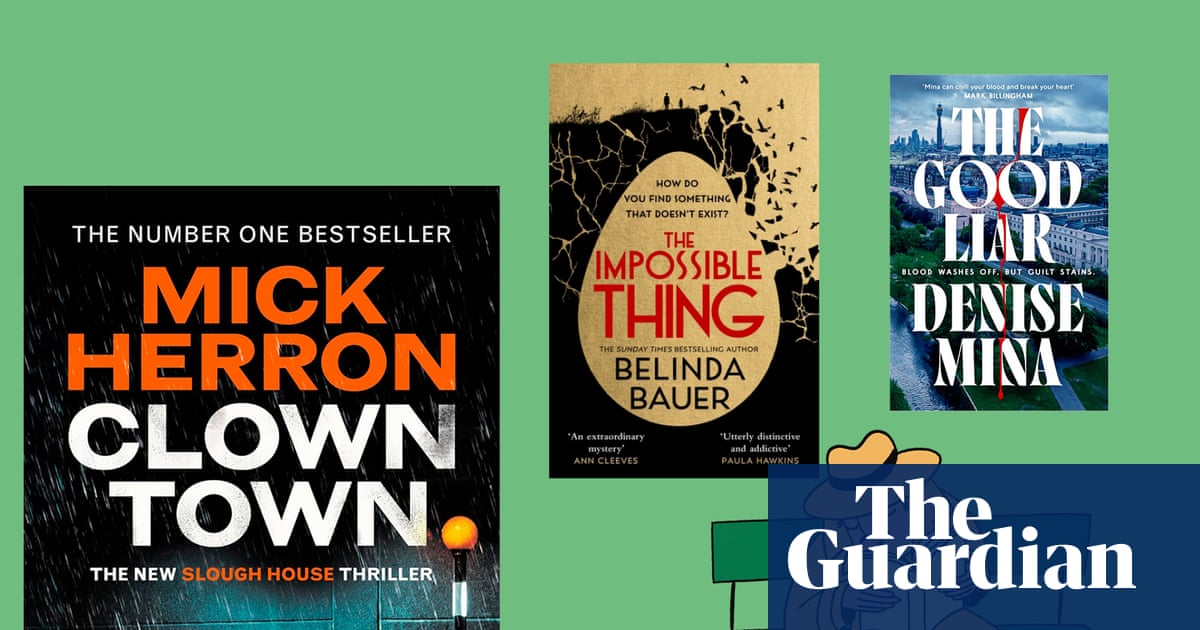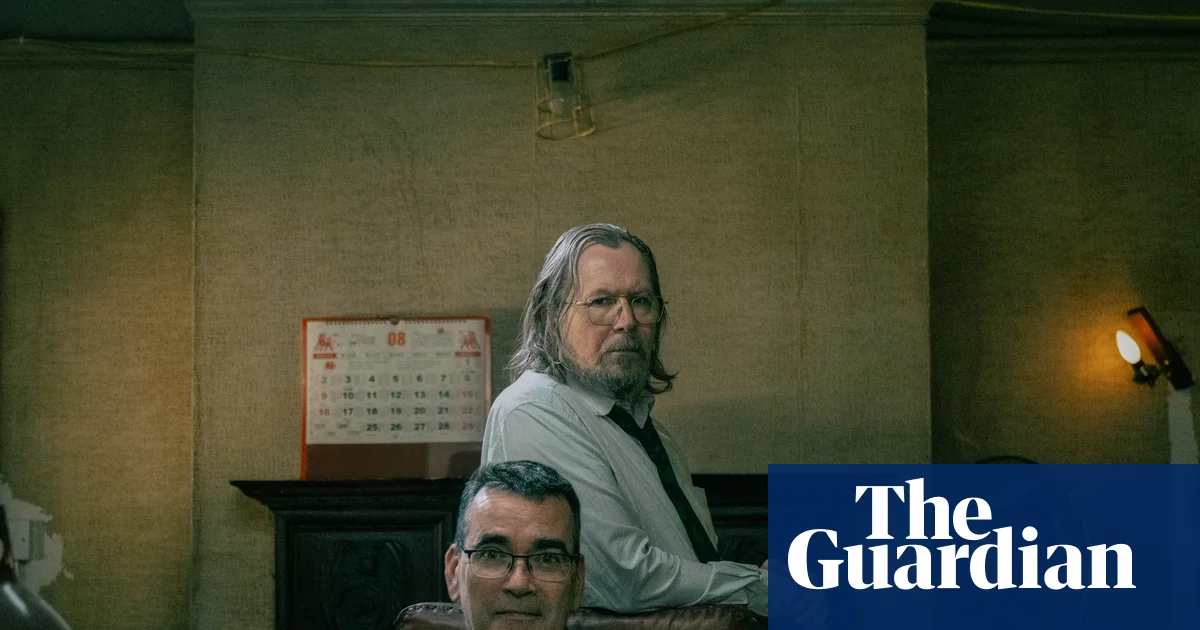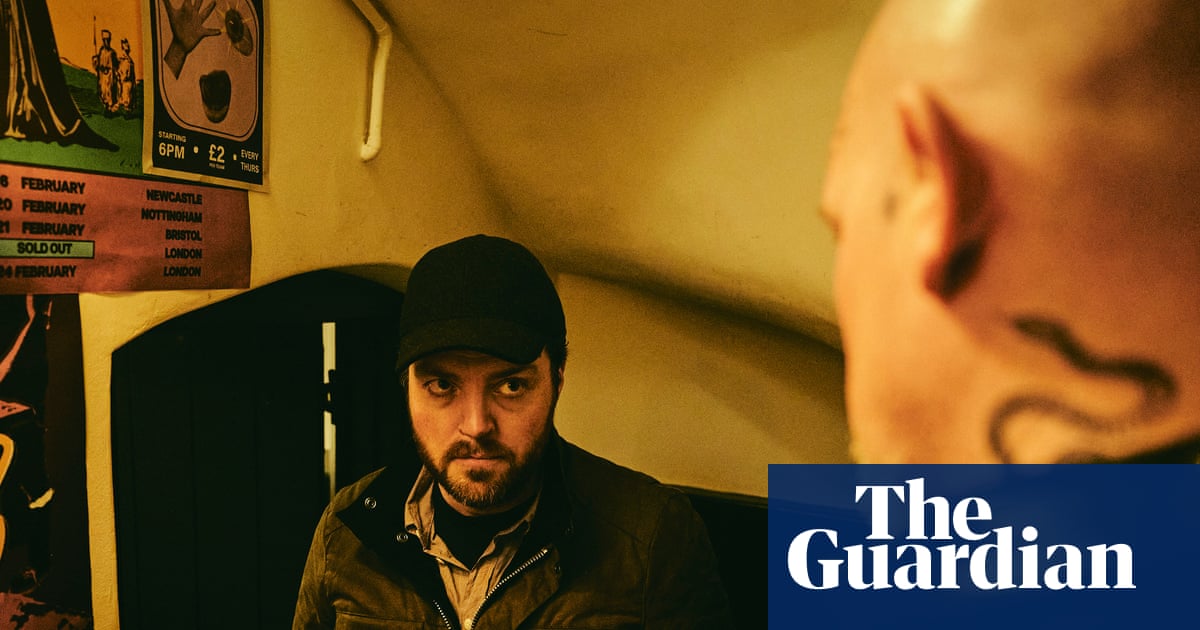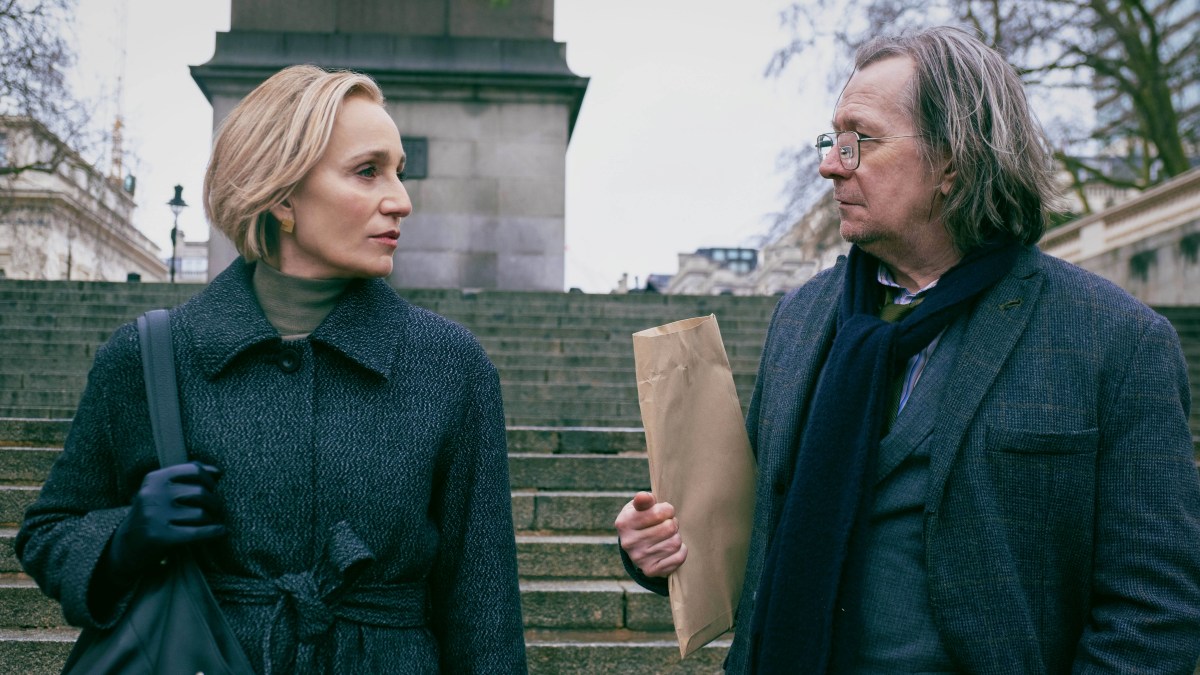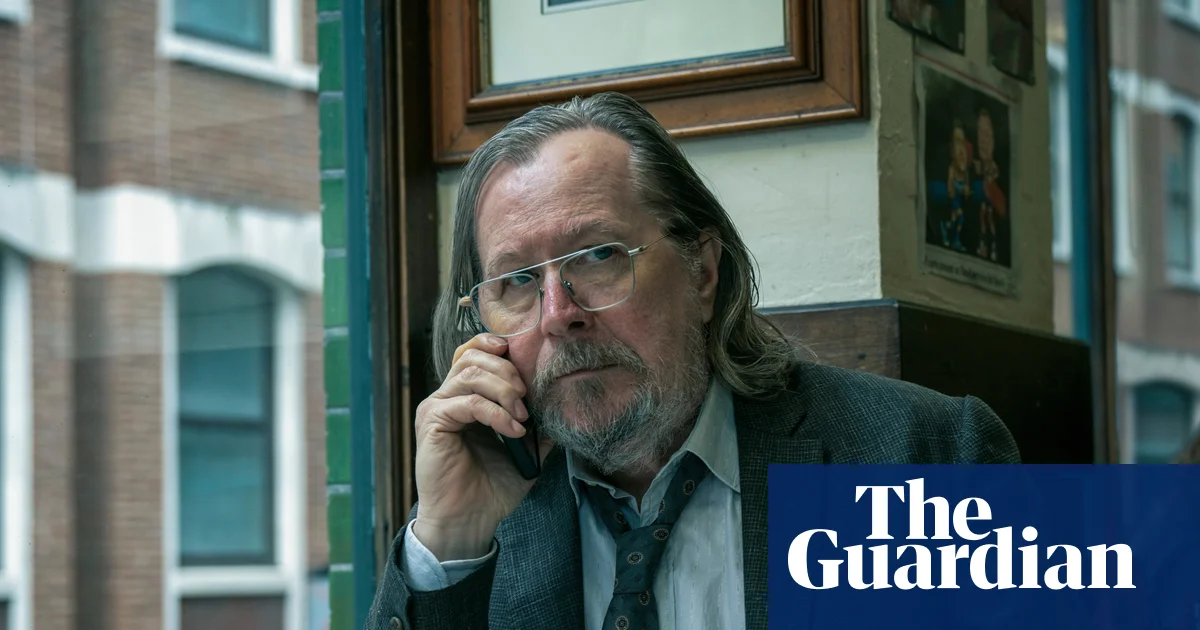
Trigger warning: the new Slough House novel shares its name, I assume accidentally, with a particularly bleak soft-play centre on London’s North Circular Road in which sticky under-fives circulate through an infernal apparatus wailing and stabbing each other with plastic forks while the grownups sit at plastic tables drinking horrible coffee and waiting for death. Just a glimpse at the dust jacket sent me back a decade to that environment of grubbiness, boredom and mild peril. It’s not that big a leap, mind. There’s something of the knockabout quality of a soft-play centre in Mick Herron’s fictional world: all fun and games until someone loses an eye.That said, as far as I know, none of the injuries in the real-world Clown Town will have been occasioned by the victim being held down so the front wheel of a Land Rover Defender can be driven over their head – which is the attention-grabbing scene with which Herron opens this latest instalment. As often, Herron’s plot takes off from real-world events: the Stakeknife scandal – in which it turned out that MI5 had been protecting a murderously vicious IRA enforcer as an intelligence asset – appears here in the story of Pitchfork, whose signature “nutting” technique of killing during the Troubles was running over people’s heads.Pitchfork’s story was covered up – until it wasn’t. His old handlers have come out of the woodwork and, to mix metaphors, the sky soon grows dark with chickens coming home to roost. Herron’s hero River Cartwright (whose late grandfather’s archive, we discover, contained crucial material about Pitchfork) starts pulling on a thread. The Service’s First Desk, the machiavellian Diana Taverner, launches another of her fiendish schemes and is soon once again sparring with the Slow Horses’ profane ringmaster Jackson Lamb.Over the last decade this series of novels about a community of cashiered spies has made the transition from “well-kept secret” to “household name”. Herron is now an authentic megastar of the genre, and since the Apple TV+ series Slow Horses every reader (and I expect the author) will have recalibrated their mental image of Jackson Lamb from Timothy Spall to Gary Oldman (early novels likened Lamb to Spall “gone to seed”). But the books are still the main event – because it’s Herron’s line-by-line writing that really makes them stand out. Has there been a more magnificently bossy narrative voice since Dickens? Or one more in love with the baroque flourish? Here, for instance, is the first sentence in Herron’s now-traditional slow-burn walking-tour introduction to Slough House:
Clown Town by Mick Herron review – more fun and games with the Slow Horses
The ninth novel in the Slough House series, this tale of IRA infiltration is a perfect mix of one-liners, plot twists and real-world-tinged intrigue
1,013 words~5 min read