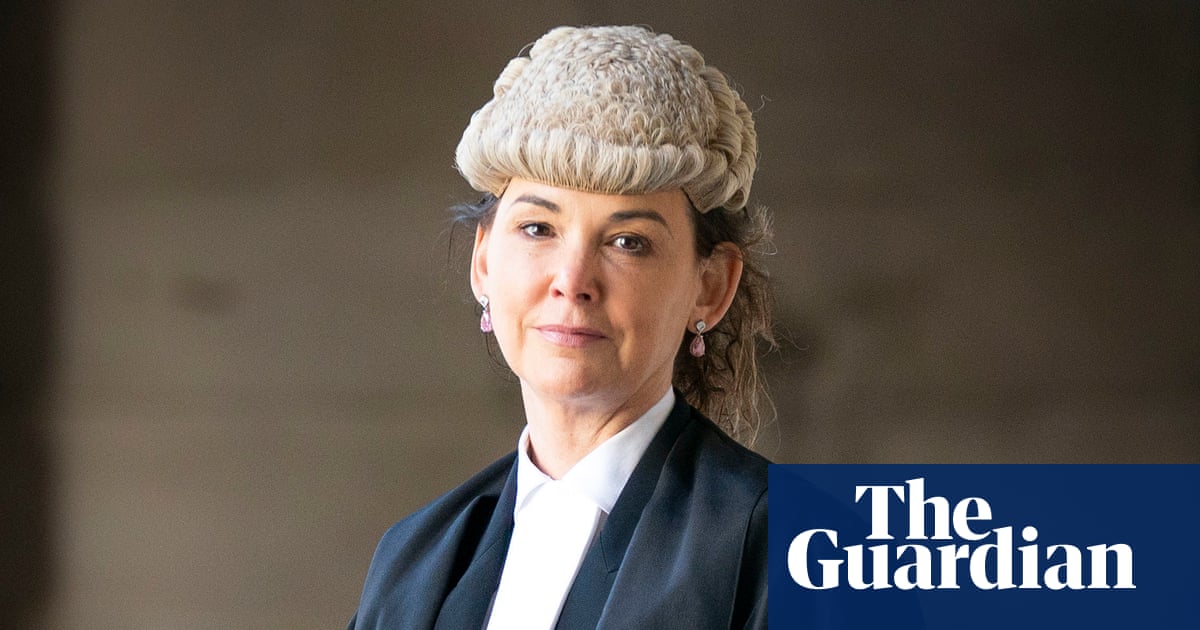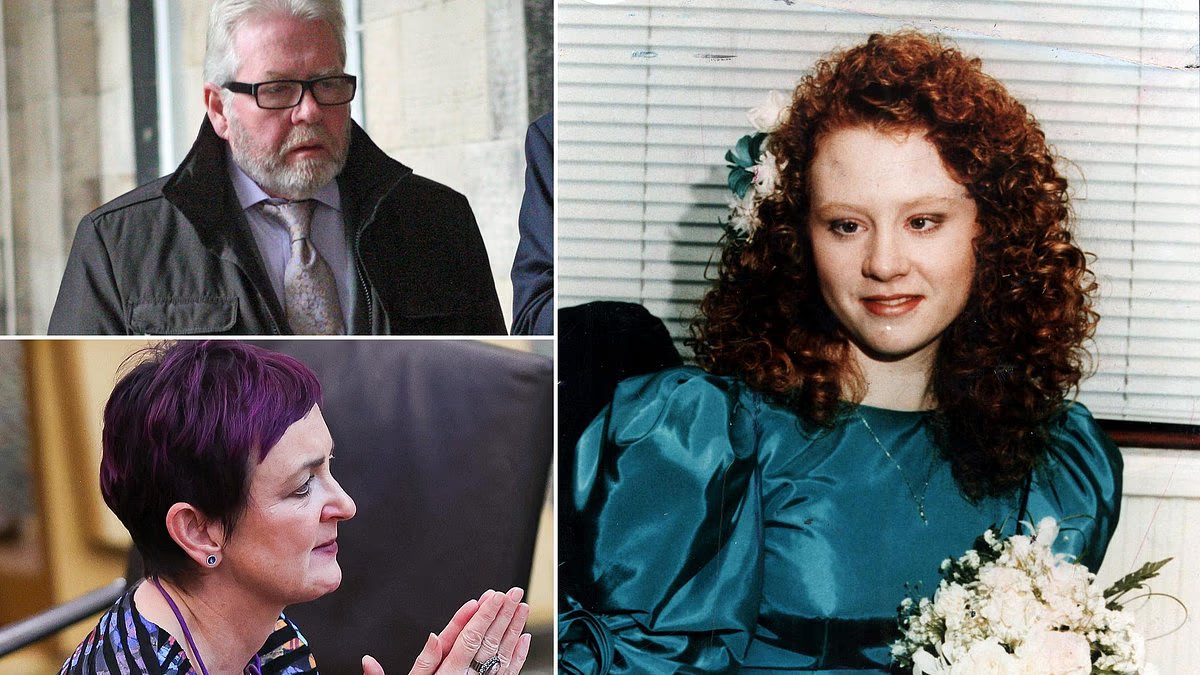
Scotland's centuries-old not proven verdict is to be abolished following an historic vote by MSPs.In one of the most radical overhauls of the justice system since devolution, new legislation will mean the accused will only be found either guilty or not guilty in court.It will consign the not proven verdict, which has been a part of Scots law since 1728, to history.In a further major change under the new bill passed by MSPs by 71 votes to 46 yesterday, a two-thirds majority will be required from a jury to secure a guilty verdict, rather than a simple majority at present.The reforms have led to concerns from legal experts about potential unintended consequences, including the risk of wrongful conviction.But a series of victims welcomed the ‘momentous’ vote and raised hopes that it will help prioritise the needs of people impacted by crime.Campaigner Stewart Handling, whose 13-year-old daughter died after taking ecstasy but the man who admitted giving her the pills was acquitted after a ‘not proven’ verdict, said: ‘I’m doing this for my daughter Grace. I’m delighted that the Bill has passed and that the not proven verdict has been abolished.‘It won’t change my situation, but to know that other families will not have to face this in the future brings me great comfort.’ Amanda Duffy whose alleged killer Francis Auld walked free from court after a jury returned a 'not proven' verdict. A civil case later blamed him for causing her death. In 2017, Auld died from cancer a free man. Amanda's father Joe Duffy has fought for 30 years for the abolition of the controversial verdictJoe Duffy, who has campaigned for the abolition of the verdict for after seeing the man accused of killing his daughter Amanda in 1992 be found not proven, said: ‘It was a middle ground that shouldn’t be there - you’re either guilty or not guilty. You deserve that, one or the other.‘I’ve seen an awful lot of false dawns. We’ve produced hundreds of thousands of signatures during our campaign. But for this to go [this] way today, I’m absolutely delighted for everybody involved in the process.‘Did I ever see it happening? I was hoping it would happen in my lifetime. Thankfully, I’ve got there, and hopefully it helps other people.’Mr Duffy also said he believes a lack of political willpower and ‘influence from parts of the justice community’ are why it took so long for the verdict to be abolished.Kate Wallace, chief executive of Victim Support Scotland, said: ‘The passing of this Act represents a momentous occasion for Scotland’s criminal justice system. 'It marks a significant step towards creating a system that considers and prioritises the needs of people impacted by crime.‘The breadth of this Act reveals the extent of the changes that are needed to Scotland’s criminal justice system to make it truly considerate of the needs of victims, witnesses, and their families.’The Victims, Witnesses and Justice Reform (Scotland) Bill will become law after passing a stage 3 vote in the Scottish Parliament yesterday.But major concerns have been raised from the legal sector about the impact of the legislation, which will mean 10 out of 15 jurors will be needed for a guilty verdict rather than a simple majority of eight at present.Stuart Munro, convener of the Law Society of Scotland’s criminal law committee said: ‘Our criminal justice system is finely balanced, and even small changes can have unintended negative consequences.‘The proposals in the Victims, Witnesses and Justice Reform Bill will have a profound impact, but it remains essential that we retain the integrity of the system as a whole, with the necessary safeguards to reduce the risk of wrongful conviction.’He said that the Law Society is ‘not convinced the required balance can be obtained by a two-thirds majority’.The bill was backed by 71 MSPs from the SNP, Greens, Liberal Democrats and Alba, as well as one independent. It was opposed by 46 MSPs from Labour and the Conservatives, as well as one independent.Liam Kerr, Scottish Conservative justice spokesman, said the changes ‘strike at the heart of the Scottish criminal justice system’.He said: ‘If we are going to change a system that has worked for over 200 years we need a strong basis to found upon. This Government has not got it.‘Three of the four key features of our criminal trial system will be altered, largely without evidence, largely without precedent, and against expert advice.‘We have all received the warnings that this rebuilt system could be counter-productive, it could reduce conviction rates, it could lead to more miscarriages of justice and, even worse, outcomes for victims.’ Justice Minister Angela Constance in Holyrood Large other sections of the original bill had to be removed due to the level of opposition in earlier stages of its progress through parliament, including a pilot of juryless rape trials which had led to the threat of a boycott by lawyers.Plans to reduce the size of the jury from 15 to 12 were also scrapped during debate on the bill.Hannah Stakes, who campaigned for the not proven verdict to be scrapped after it was returned against a man accused of raping her, said: ‘The abolition of the not proven verdict will ensure that there is a clear resolution to all criminal trials in Scotland - which is the least that victims and survivors deserve.‘For too long it has been weaponised as a defence strategy and used to confuse juries in sexual assaults trials where we know there is already a reluctance to convict.‘It has been used as a get out of jail free card and does not provide closure to victims, survivors or their families - instead we are left heartbroken and unable to move on, while violent criminals get off Scot free without consequences.‘It should never have gone on this long and I hope that as of today it never happens again. Our country and justice system are both safer and fairer places because this verdict is no more.’Other measures in the bill include the creation of a new sexual offences court, the creation of a new Victims and Witnesses Commissioner for Scotland, and a first step towards the introduction of ‘Suzanne’s Law’ by ensuring that the Parole Board must take into account whether a killer has disclosed the location of their victim’s remains when making decisions on release.But there was criticism during yesterday’s final debate of other amendments being rejected, including a ‘no body no release’ approach to parole, and an investigation into child grooming gangs in Scotland.Scottish Tory victims spokesman Sharon Dowey said: ‘This is a victims’ bill in name only.’But SNP MSP Audrey Nicoll, convener of the Scottish Parliament’s criminal justice committee, said: ‘There is no doubt that this verdict (not proven) has had its day and should be abolished.‘During scrutiny some argued that the not proven verdict is a unique and historical feature of the legal system and it should be retained. But that is hardly a good reason to keep this verdict.‘Indeed, the criminal justice committee heard compelling evidence about the devastating impact the verdict – which cannot be defined – can have on victims. And even for the accused it can be an unsatisfactory outcome which leaves a lingering stigma.’Labour MSP Pauline McNeill said there was not consensus on jury majorities, and said: ‘There is no way of knowing whether we have retained the same balance of interest on how this change will effect convictions. We will just need to wait and see.’Justice Secretary Angela Constance said: ‘This historic legislation will put victims and witnesses at the heart of a modern and fair justice system.‘By changing culture, process and practice across the system, it will help to ensure victims are heard, supported, protected and treated with compassion, while the rights of the accused will continue to be safeguarded.‘This legislation, which builds on progress in recent years, has been shaped by the voices of victims, survivors, their families and support organisations, and it is testimony to their tireless efforts to campaign for further improvement. 'I am grateful to those who bravely shared their experiences to inform the development of this legislation and pave a better, more compassionate path for others.’
Scotland's centuries-old not proven verdict is to be abolished
Scotland's centuries-old not proven verdict is to be abolished following an historic vote by MSPs.
1,357 words~6 min read