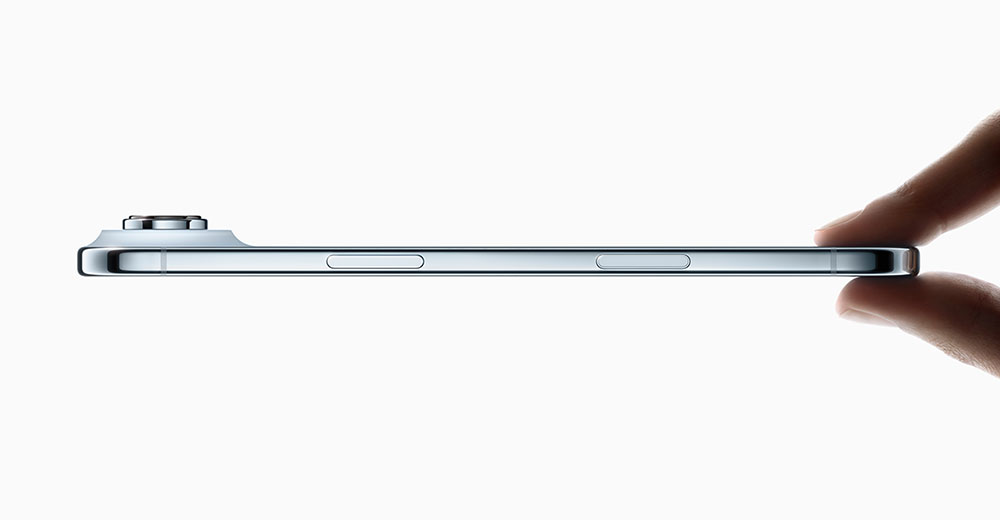
The iPhone Air’s thin design might be eye-catching, and the amount of engineering that went into miniaturizing its logic board is impressive. But according to Gene Berdichevsky, co-founder and CEO of battery materials manufacturer Sila, the real breakthrough might lurk elsewhere inside the aluminum and glass enclosure.
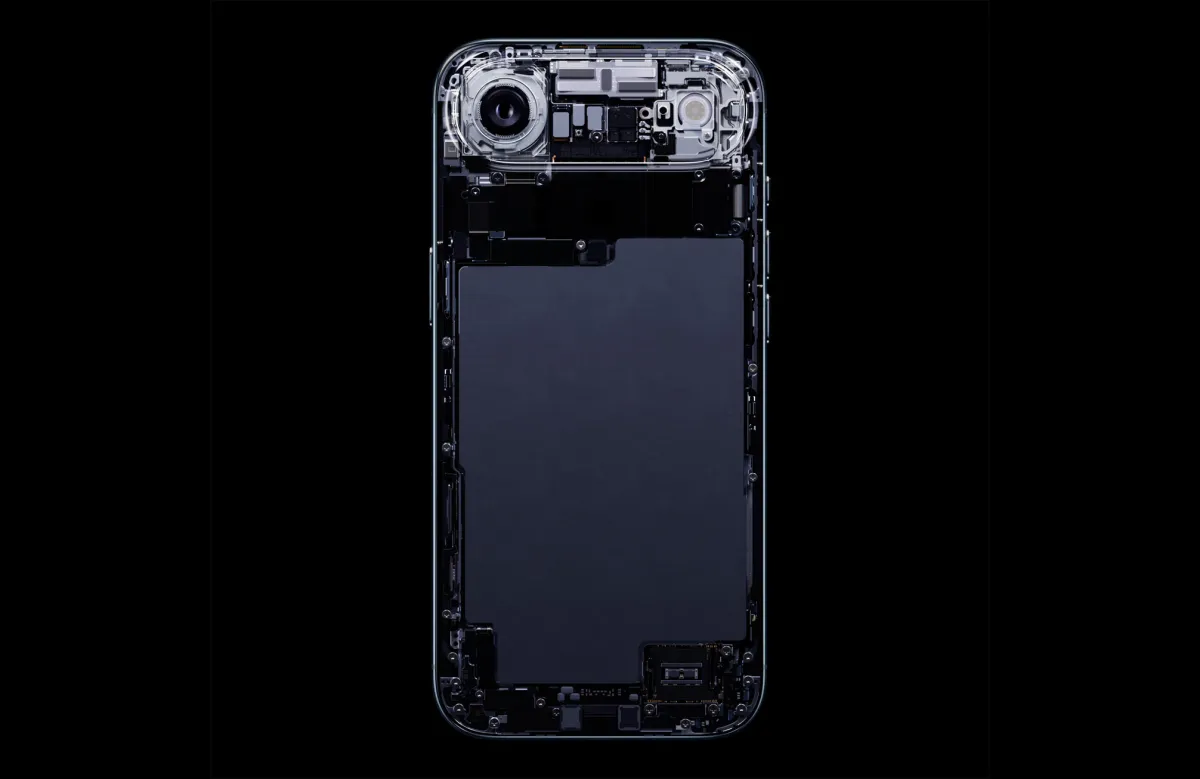
“The battery in the new iPhone is pretty remarkable,” Berdichevsky told TechCrunch. “The completely arbitrary, two-dimensional shape — you look at the shape, and it’s pretty amazing.”
“I just got back from Asia, and I got a chance to see some of these cells,” he added. “It’s a revolutionary piece of battery tech.”
Berdichevsky knows a thing or two about batteries. As Tesla’s seventh employee, he led engineering on the original Roadster’s battery, which became the template for subsequent Teslas. Today, he leads Sila, which is producing silicon anode materials for consumer electronics and, soon, electric vehicles.
The iPhone Air’s notched design is made possible by a technology Apple has patented called a metal can battery. The key detail is in the name: a metal casing that surrounds the entire cell, adding strength and physical durability. Most batteries used in consumer electronics are pouch cells, which have a soft plastic casing that’s cheap to manufacture and allows for some degree of swelling.