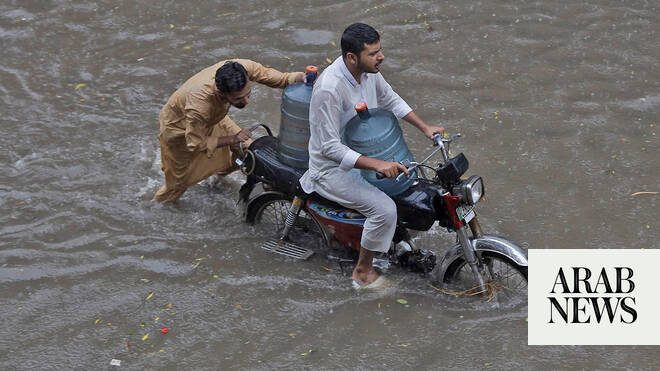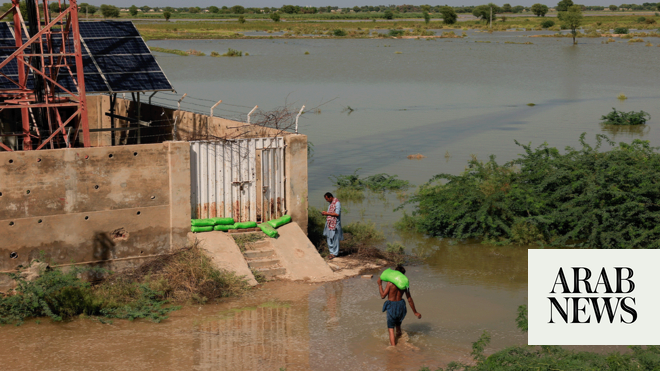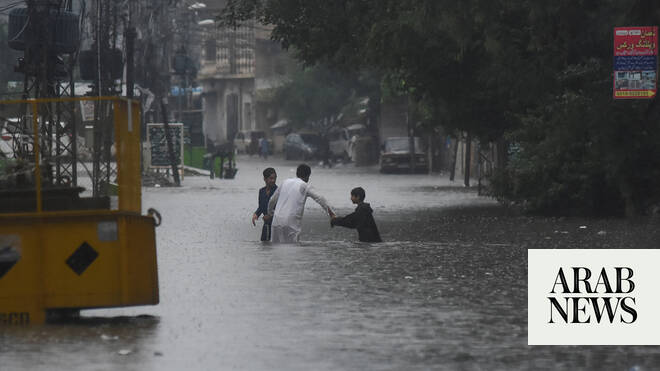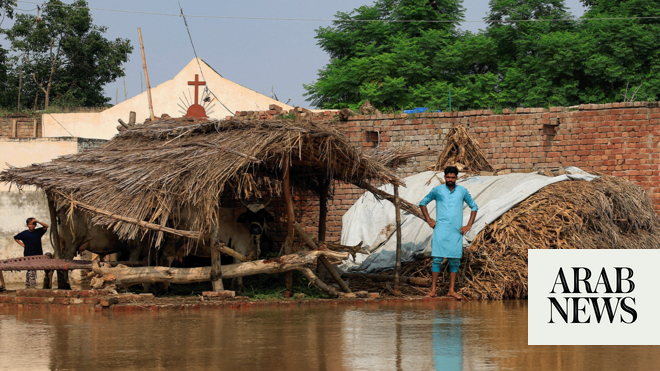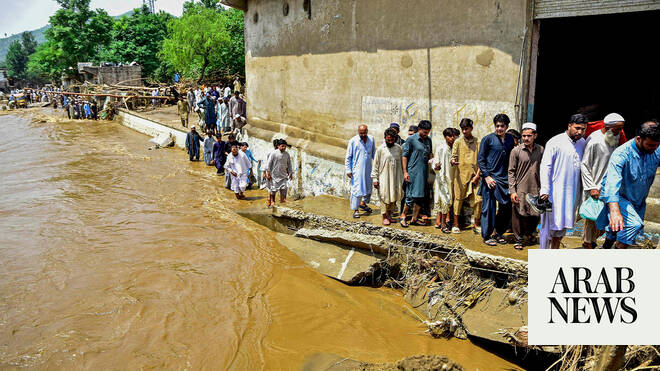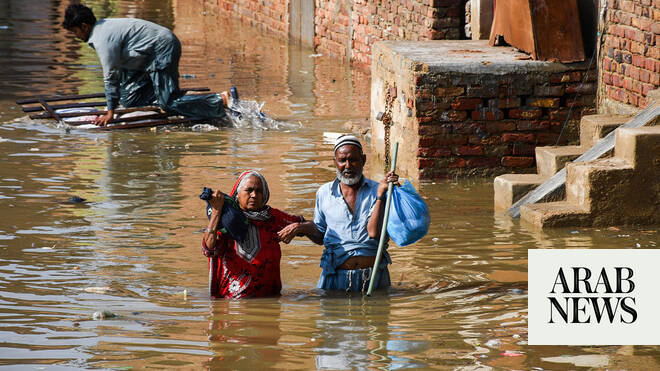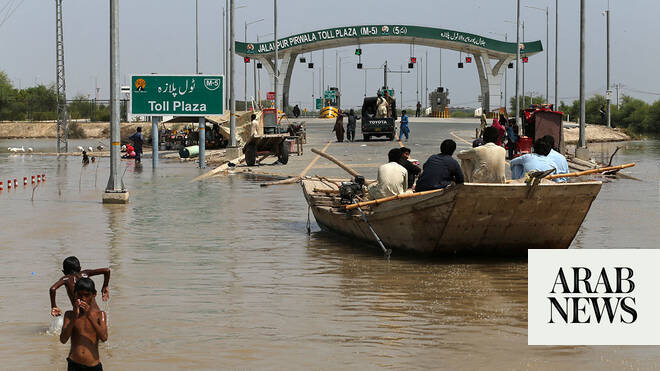
ISLAMABAD: Pakistan’s Meteorological Department (Met) told lawmakers on Wednesday it had warned authorities as early as May that the monsoon season would be “excessive” and trigger floods, raising fresh questions over why disaster management agencies failed to act as deluges have killed more than 1,000 people nationwide since late June.
According to the National Disaster Management Authority (NDMA), heavy monsoon rains and water released from Indian dams have killed 1,002 people and injured 1,063 across Pakistan since June 26.
Floods in Punjab province in late August left 112 people dead, affected over 4.5 million and forced 2.6 million to evacuate, prompting Prime Minister Shehbaz Sharif to declare an economic and agricultural emergency and call for improvements to the country’s flood early warning system.
Experts say that even in countries with advanced disaster management systems, early warnings are only as effective as the ability of authorities and communities to act on them.
Global research shows robust warning systems can cut flood-related deaths by as much as two-thirds, but require clear communication channels, evacuation planning, and public trust to work. In Pakistan’s case, analysts argue that warnings from the Met Department can save lives only if they are translated swiftly into local alerts, community preparedness and protective measures such as strengthening embankments or relocating vulnerable populations.