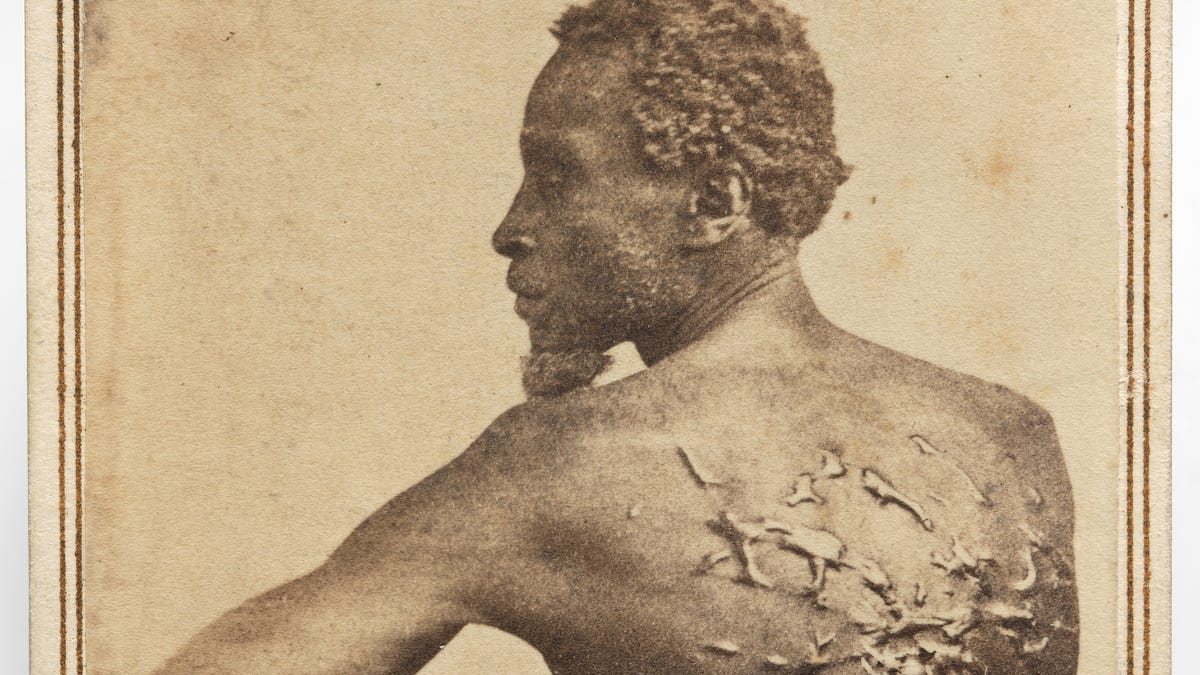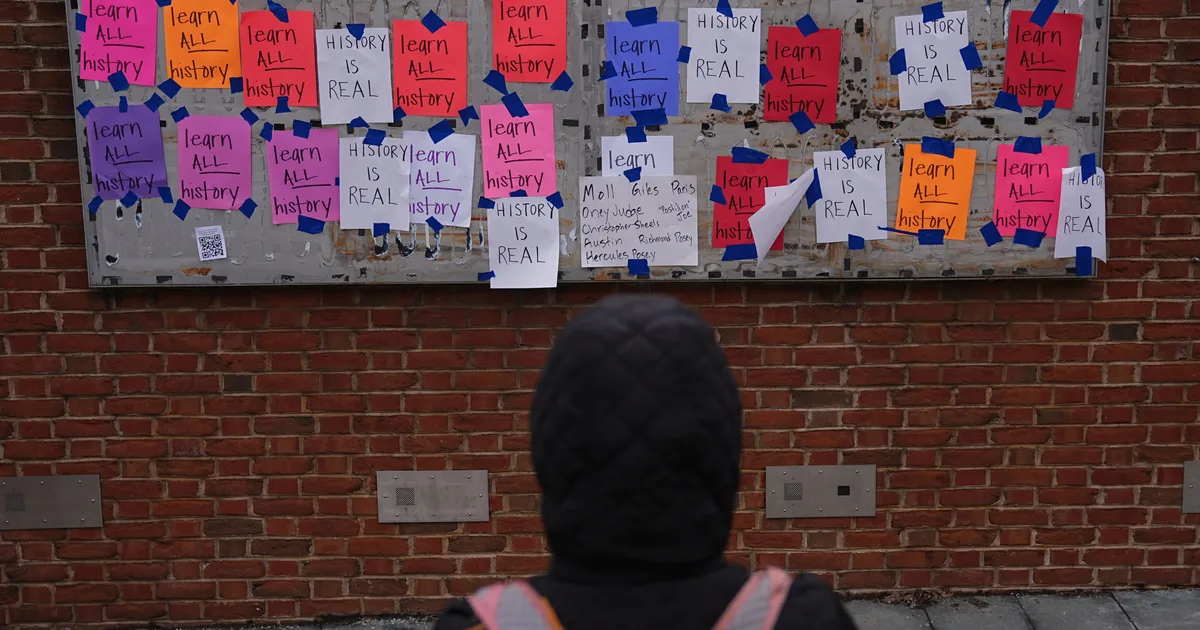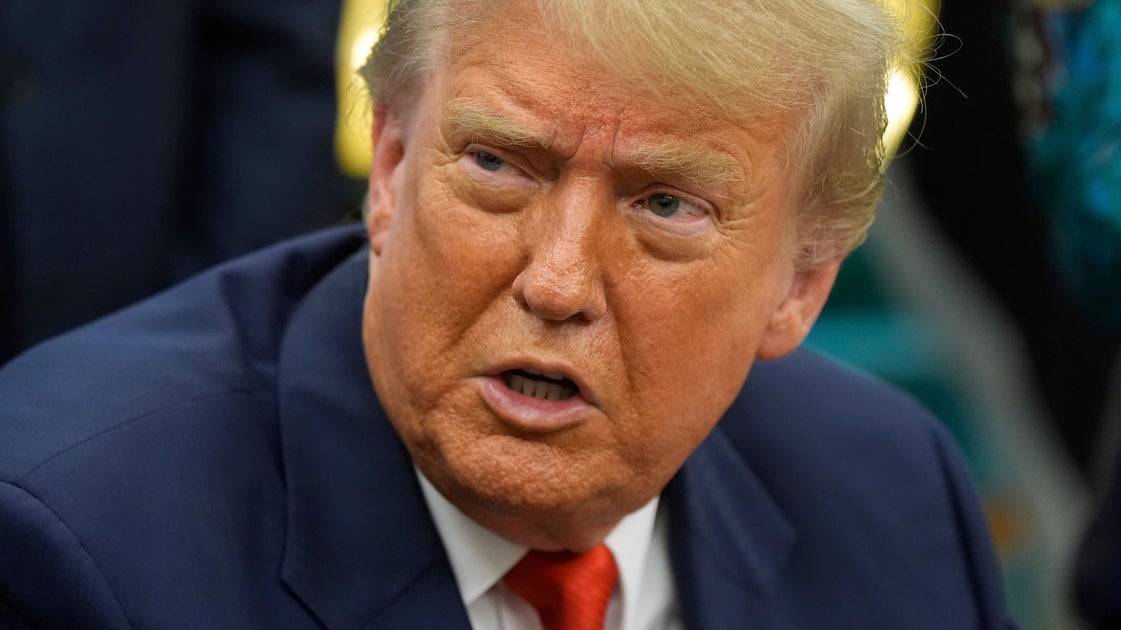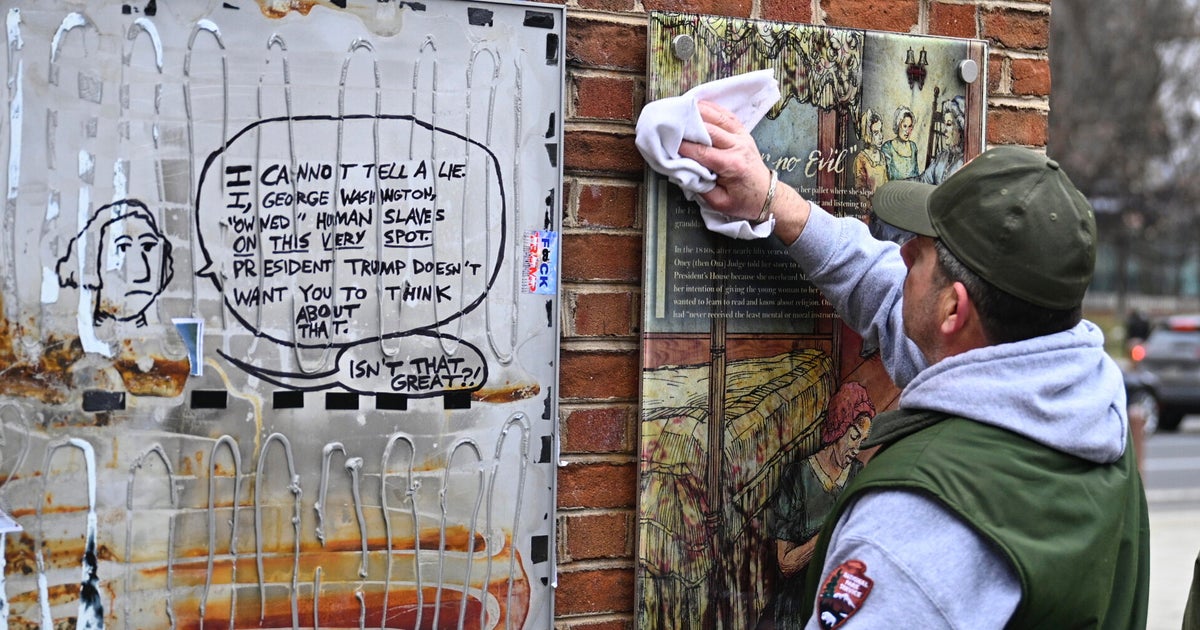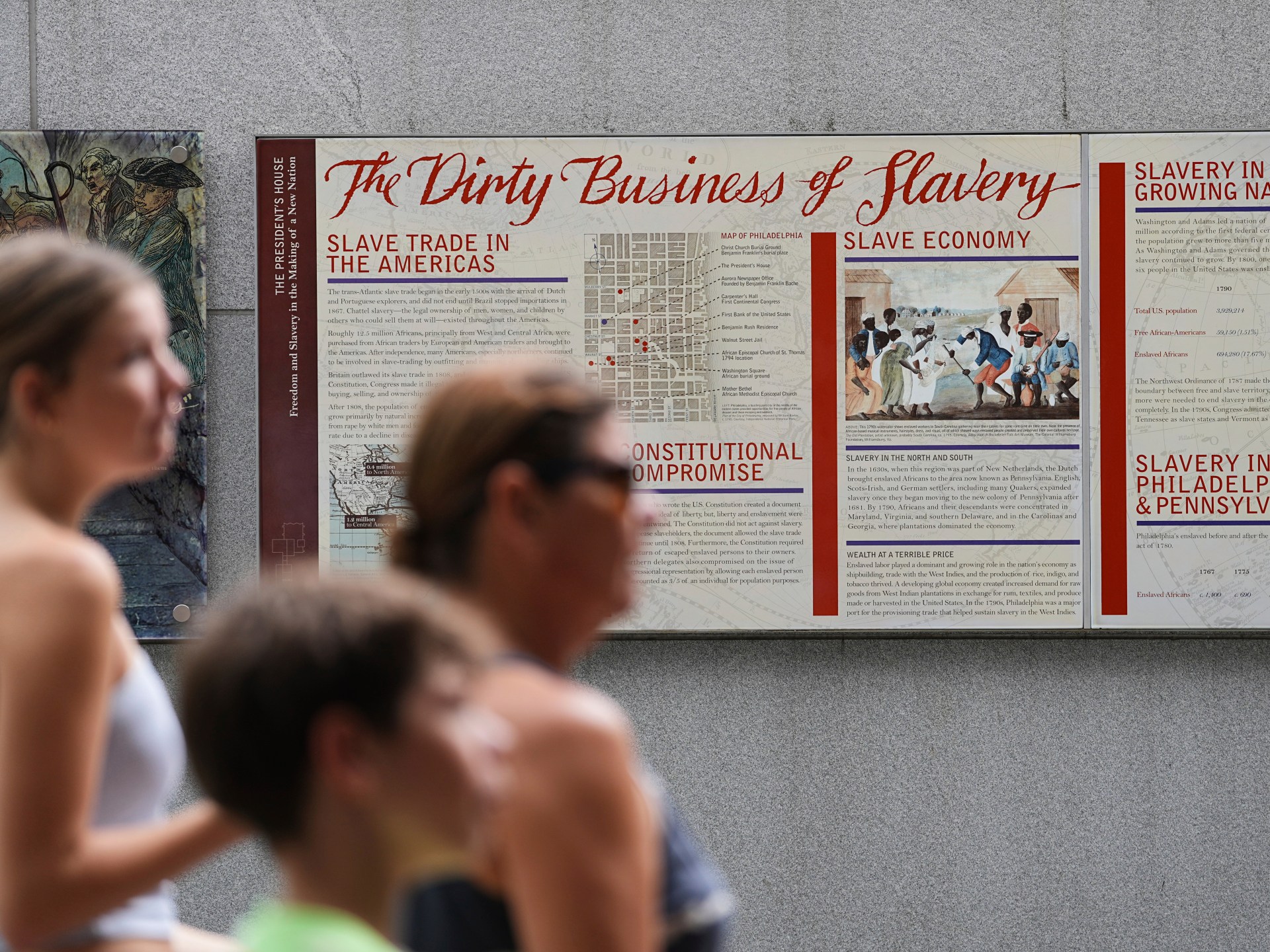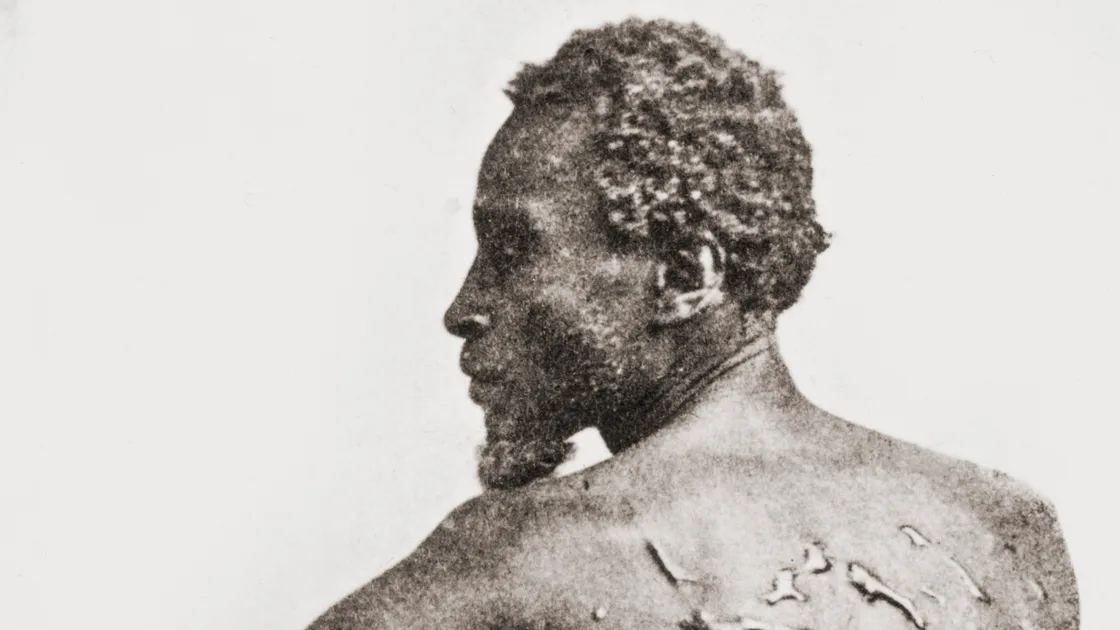
President Donald Trump’s administration has ordered the National Park Service to remove multiple exhibits, signs and materials linked to slavery from its sites, including a photograph of a formerly enslaved man with scars on his back that became a defining image of the Civil War era, according to multiple outlets.The move follows a Trump executive order from March that directed the Department of the Interior to ensure national parks don’t contain content that “inappropriately disparage Americans past or living” in a push to focus on the country’s “greatness” instead. The executive order is part of the administration’s wider push against diversity, equity and inclusion.The Washington Post was the first to report on the orders.A National Park Service spokesperson told the Post that materials that “disproportionately emphasize negative aspects” of U.S. history and fail to note “broader context” or “national progress” could “unintentionally distort understanding rather than enrich it.”The photo of the formerly enslaved man is known as “The Scourged Back.” The image features a man named Peter Gordon and shows his back heavily scarred from whippings. A reproduction of the photo was on display at Georgia’s Fort Pulaski National Monument, per The New York Times. Fort Pulaski was a former Confederate prison camp later taken over by the Union Army.The photo — a copy of which is in the National Gallery of Art’s collection in Washington, D.C. — was used to advance the abolitionist movement in the 19th century. The photo of formerly enslaved man Peter Gordon is known as “The Scourged Back" and shows his back heavily scarred from whippings. Gordon is known to have escaped from Mississippi and reached a Union Army camp in Louisiana in 1863. The photograph is attributed to two photographers, McPherson and Oliver, who were in the camp at the time. It became one of the best-known photographs of the Civil War and a powerful weapon for abolitionists. Ken Welsh/Design Pics/Universal Images Group via Getty ImagesJonathan Zimmerman, a University of Pennsylvania professor of history of education, told the Post that Trump’s efforts signal an “enormous increase in federal power and control over the things we learn.”“Brought to you by the team that says education should be state and local,” he added.Materials have also been flagged for removal at sites including West Virginia’s Harpers Ferry National Historic Park, where John Brown attempted to lead a slave revolt in 1859, and the President’s House site in Philadelphia, where George Washington lived with several slaves.Tourists walk past a plaque near the Liberty Bell that discusses the Founding Fathers and their link to slavery in Philadelphia, Pennsylvania. Exhibits and displays in Independence National Park are under review by the National Park Service in an initiative to eliminate materials deemed disparaging to the Founding Fathers or the legacy of the United States is part of an executive order issued by Donald Trump in March. Matthew Hatcher via Getty ImagesAn illustrated depiction (circa 1880) of the capture of abolitionist John Brown in the engine house at Harpers Ferry, Virginia, in 1859. Brown believed that armed insurrection was the only way to end slavery in the United States and led a raid on the federal armory at Harpers Ferry that was intended to obtain weapons to begin an uprising against slavery in the southern states. Brown was captured after the raid, tried and hanged for treason. Print Collector via Print Collector/Getty ImagesBooks on slavery could also be barred at several parks sites in South Carolina, per South Carolina Public Radio. One book flagged for removal is “Shackles,” a children’s picture book by Marjory Wentworth, according to SCPR.Wentworth questioned how there could be “anything offensive” in her book, which is about her children finding shackles while digging for treasure at their home on Sullivan’s Island, where hundreds of thousands of enslaved Africans passed through when brought to colonial America.Alan Spears, a National Parks Conservation Association historian, criticized the order.“Great countries don’t hide from their history,” he told SCPR. “They learn from it and when necessary, they confront it.”CORRECTION: A previous version of this story incorrectly stated the status of a photo known as “The Scourged Back” that the National Gallery of Art has. A copy of the photo is in the museum’s collection but is not currently on view. It was last displayed in 2022.Close
This Is The Slavery Photo The Trump Administration Doesn't Want You To See
One history professor warned that the administration's moves show an "enormous increase in federal power and control."
713 words~3 min read