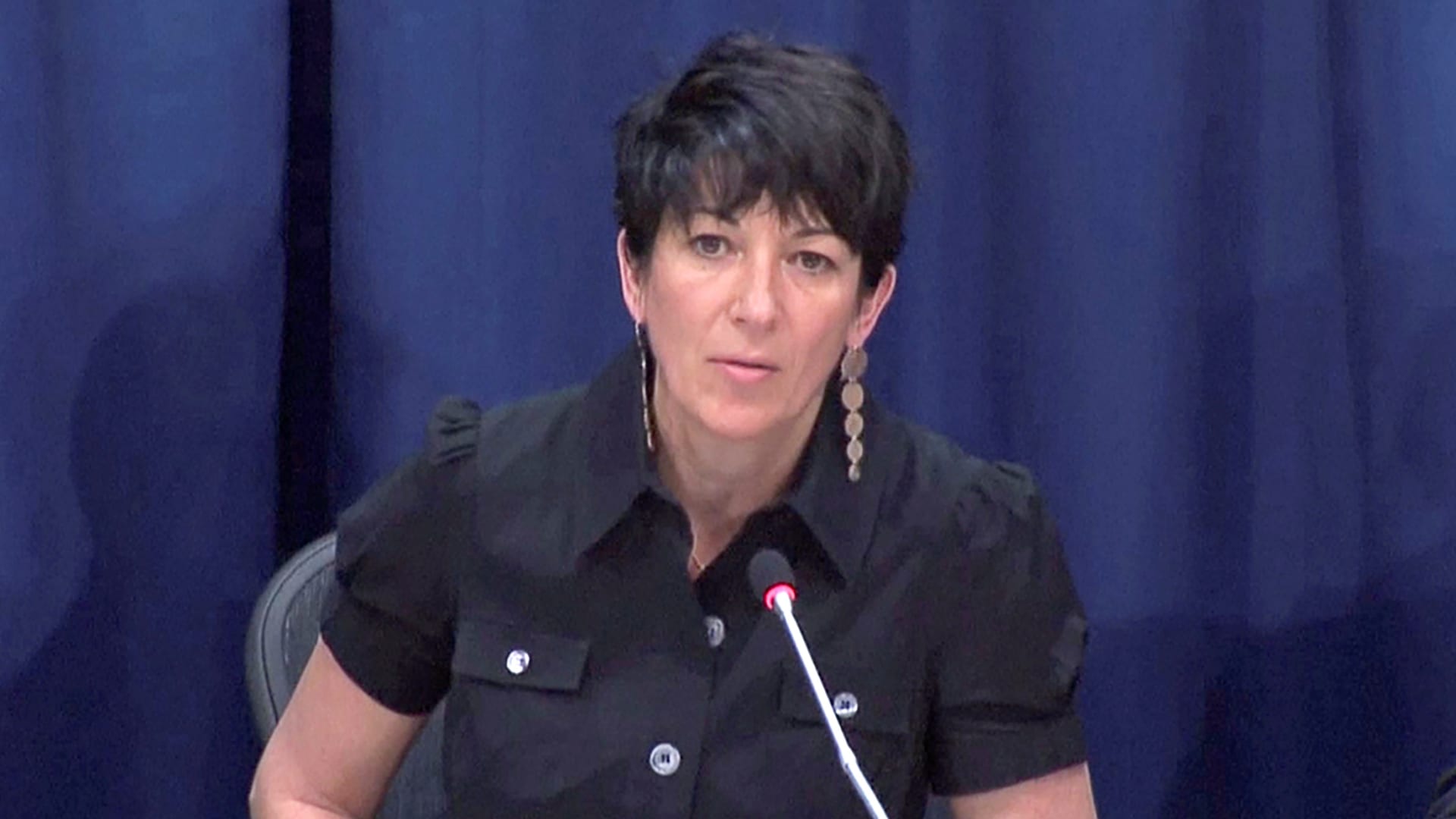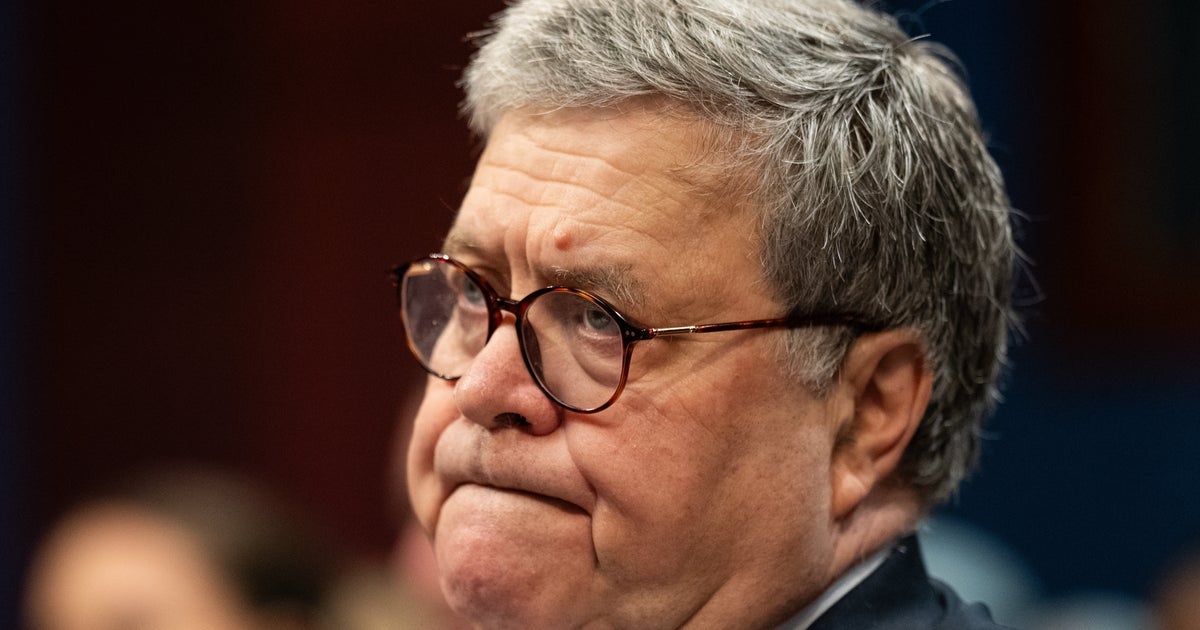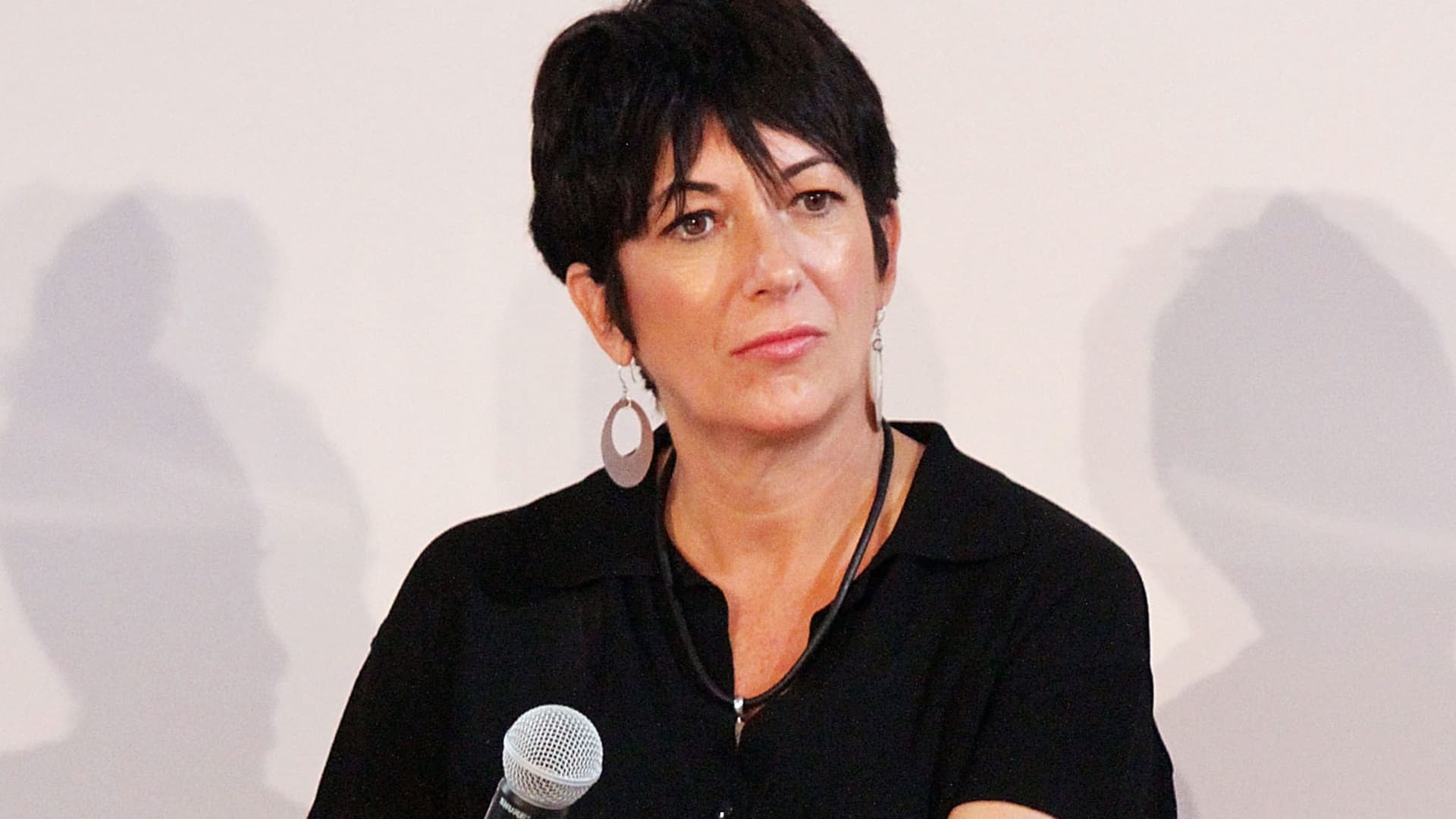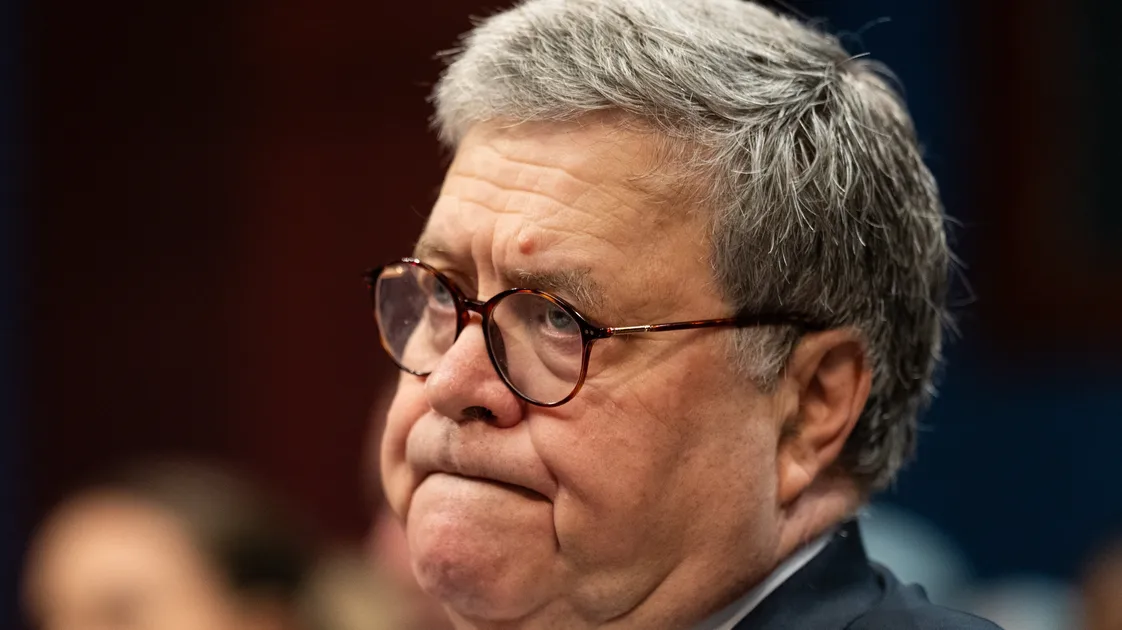
WASHINGTON ― Former U.S. Attorney General William Barr said in a deposition that it was unusual for a high-ranking Justice Department official to interview a federal prisoner personally. Deputy Attorney General Todd Blanche, a former personal lawyer for President Donald Trump, interviewed Ghislaine Maxwell, an accomplice of the late sex trafficker Jeffrey Epstein, over a two-day period in July. “It doesn’t happen every day,” Barr said when asked if the Maxwell interview was unusual. “Yeah, of course, it’s unusual,” Barr said, according to a transcript of his deposition released Tuesday by House Oversight Committee chair James Comer (R-Ky.). Comer’s subpoena for Barr’s testimony and Blanche’s interview with Maxwell both sprang from the furor over the Trump administration’s refusal to release the Justice Department’s investigatory files on the Epstein case. Right-wing figures, including people now serving as senior officials in the Trump administration, have speculated that the Epstein files contain incriminating information about powerful people. The president himself was friends with Epstein for years and is reportedly mentioned many times in the files, though not necessarily in connection with wrongdoing. Epstein killed himself in prison following his 2019 indictment for sex trafficking. Barr’s Justice Department charged Maxwell in 2020 for conspiring with Epstein to sexually abuse minors. In particular, Maxwell recruited young women to give massages at Epstein’s Palm Beach mansion. At the time of her indictment, then-President Trump said he wished her well. In her interview with Blanche, Maxwell described Trump as a perfect gentleman. Her lawyer has said she would be happy to testify publicly in exchange for a pardon. “I actually never saw the president in any type of massage setting. I never witnessed the president in any inappropriate setting in any way. The president was never inappropriate with anybody,” Maxwell said. The Justice Department then transferred Maxwell to a minimum-security federal prison camp, contrary to guidelines stating sex offenders and people serving more than 10-year sentences should remain in at least low-security facilities. Barr said Maxwell’s transfer was not necessarily inappropriate. “The initial regime that’s used when someone is sent to a corrections facility does not necessarily dictate the way they’re going to be treated all the way through,” Barr said, adding that the Bureau of Prisons might move a prisoner who behaves well. “There is a process whereby they go to less and less secure facilities. So, you know, it doesn’t strike me as odd that she was put in that facility. You also have to remember, her initial confinement was quite severe because she was watched 24/7.”Close
Here's The Latest 'Unusual' Development In The Epstein Case
Bill Barr said he didn't see a problem, however, with the Jeffrey Epstein accomplice being transferred to a minimum-security prison.
422 words~2 min read