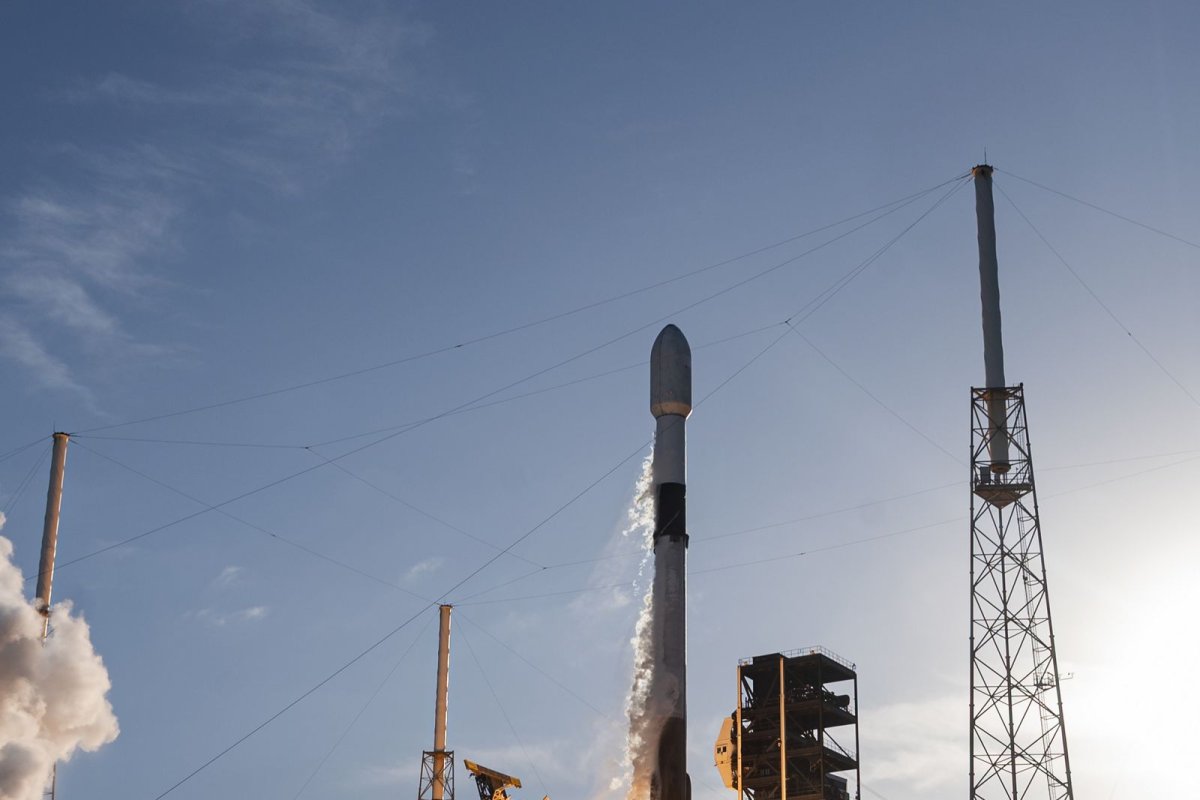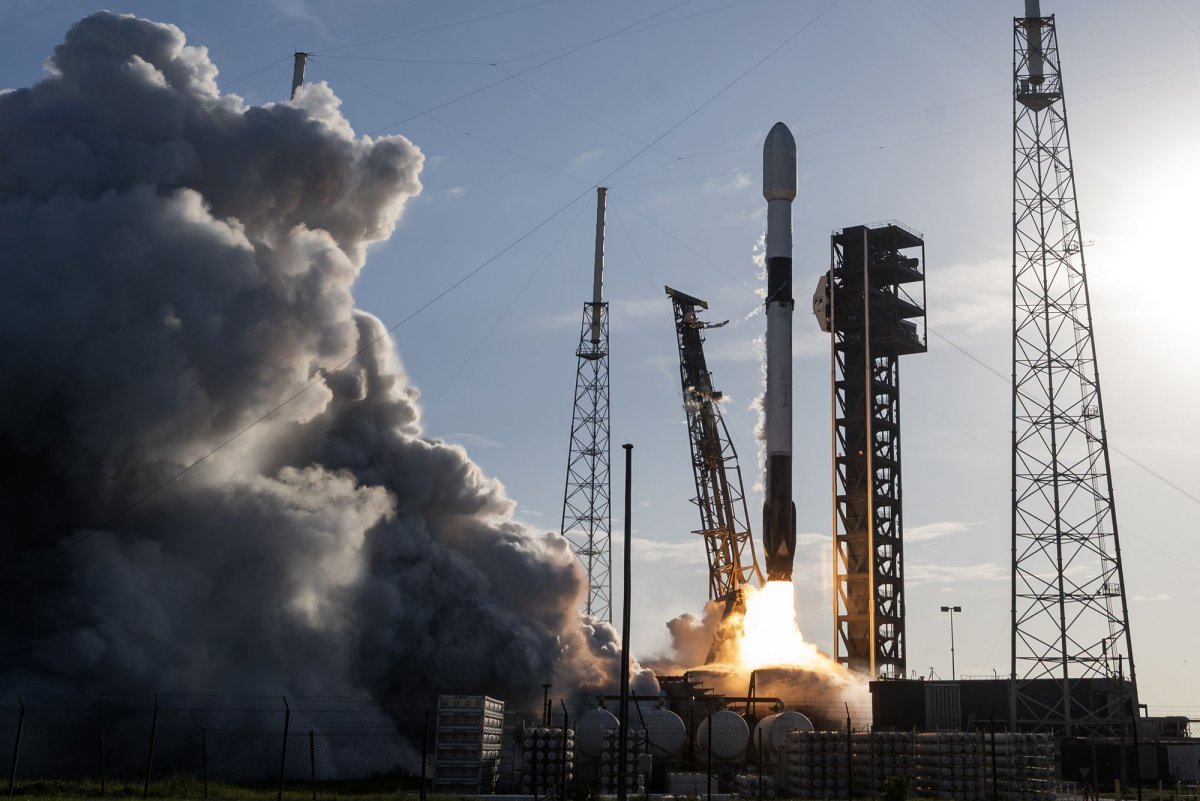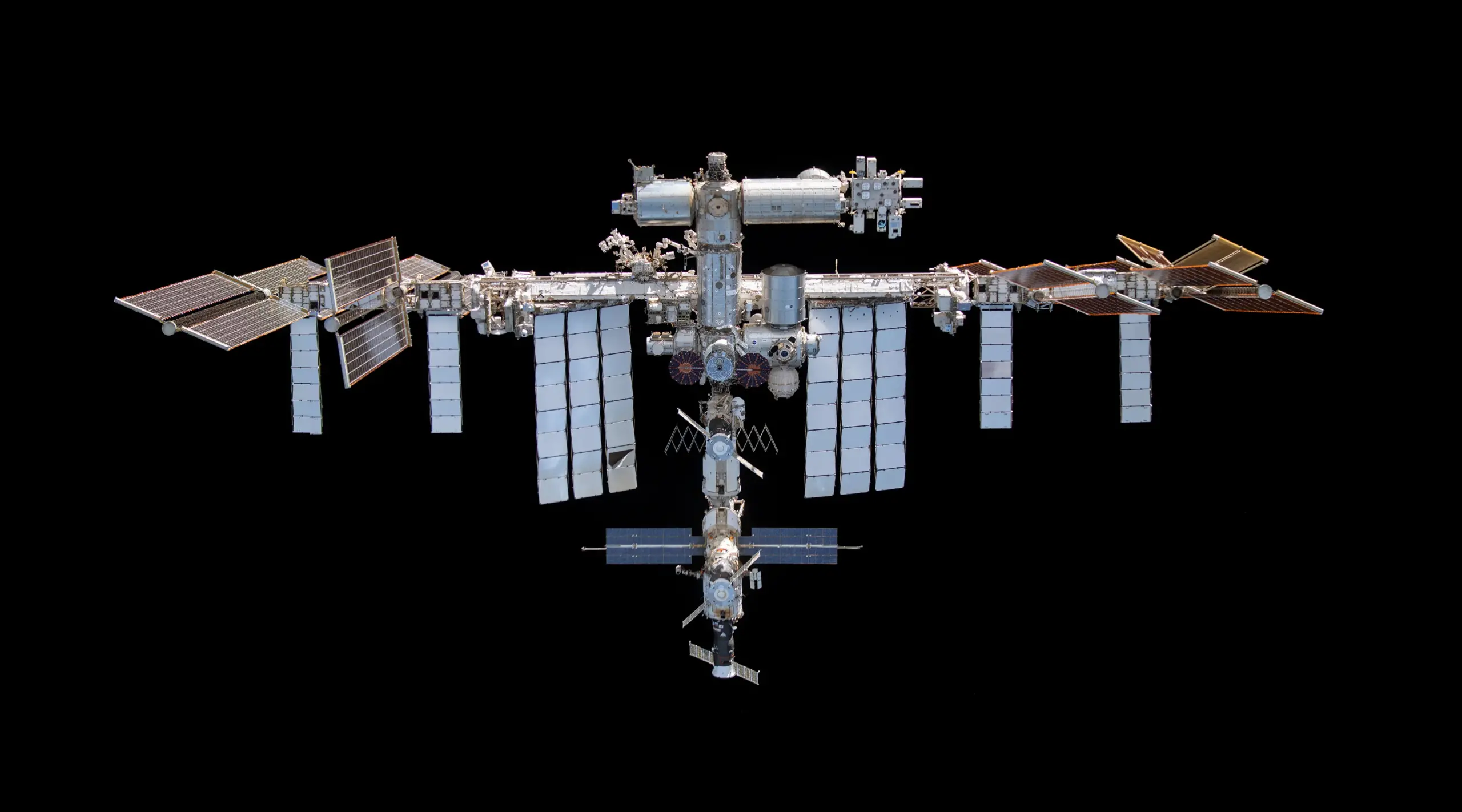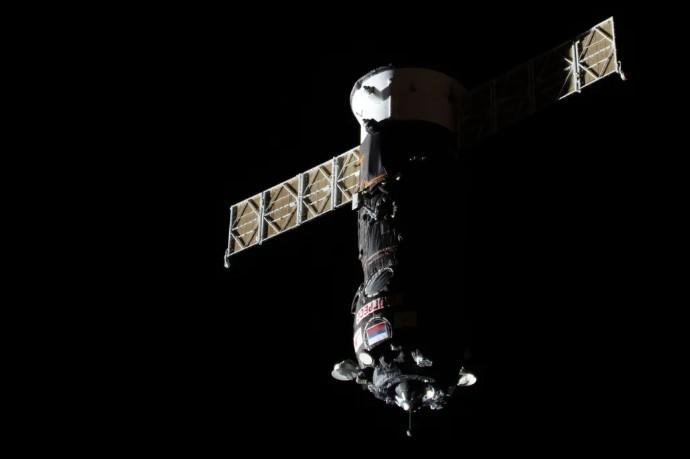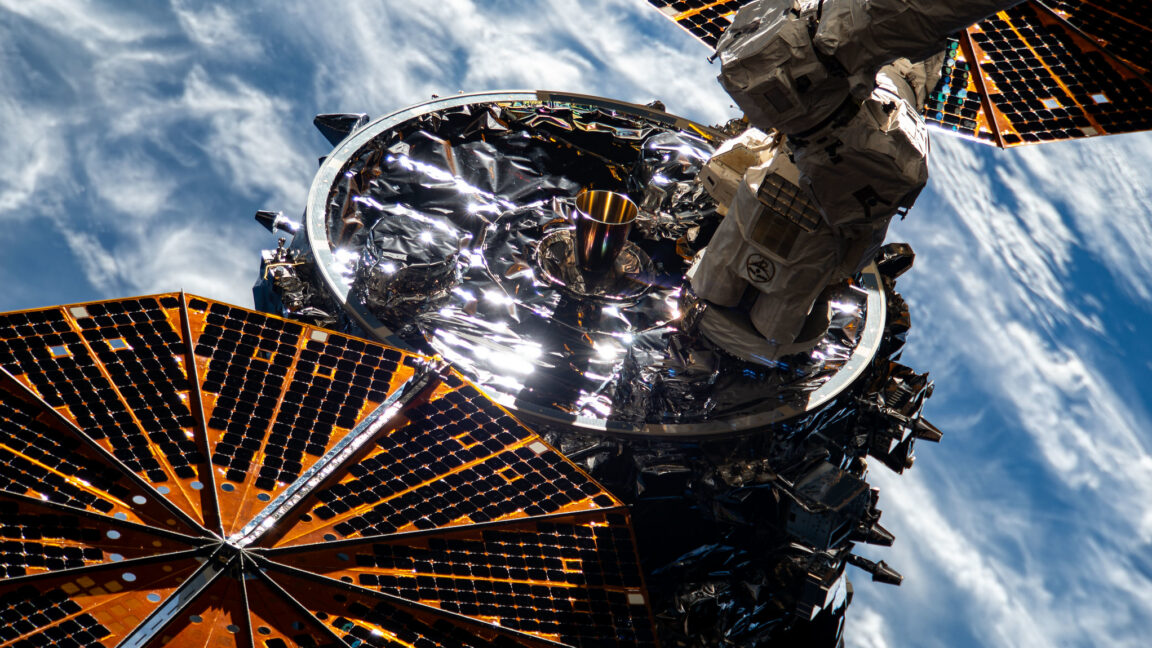
The damage occurred during the shipment of the spacecraft’s pressurized cargo module from its manufacturer in Italy. While Northrop Grumman hopes to repair the module and launch it on a future flight, officials decided it would be quicker to move forward with the next spacecraft in line for launch this month.
This is the first flight of a larger model of the Cygnus spacecraft known as the Cygnus XL, measuring 5.2 feet (1.6 meters) longer, with the ability to carry 33 percent more cargo than the previous Cygnus spacecraft design. With this upgrade, this mission is carrying the heaviest load of supplies ever delivered to the ISS by a commercial cargo vehicle.
The main engine on the Cygnus spacecraft burns a mixture of hydrazine and nitrogen tetroxide propellants. This mixture is hypergolic, meaning the propellants ignite upon contact with one another, a design heralded for its reliability. The spacecraft has a separate set of less powerful reaction control system thrusters normally used for small maneuvers, and for pointing the ship in the right direction as it makes its way to the ISS.
If the main engine is declared unusable, one possible option for getting around the main engine problem might be using these smaller thrusters to more gradually adjust the Cygnus spacecraft’s orbit to line up for the final approach with the ISS. However, it wasn’t immediately clear if this was a viable option.