The Issue
The value of the Bumerangue discovery to BP could range from $6 billion to $44 billion, with the average close to $25 billion — or about 28% of the UK major's current market cap of around $90 billion, according to a recent report from Barclays. Equity analysts, experts on Brazil’s offshore basins and petroleum engineers agree that Bumerangue has substantial upside potential for BP. Indeed, some think the find — BP's largest discovery in 25 years — could be a game changer for the UK major, with a potentially comparable impact to Exxon Mobil’s 2015 Liza discovery offshore Guyana. But caveats abound. Bumerangue is on the fringes of Brazil’s most prolific pre-salt area in the Santos Basin, but far from the three Petrobras-operated fields — Tupi, Buzios and Mero — that account for most of Brazil’s oil and gas production. Overcoming the CO2 content challenge will also be a critical factor.
Big Assumptions
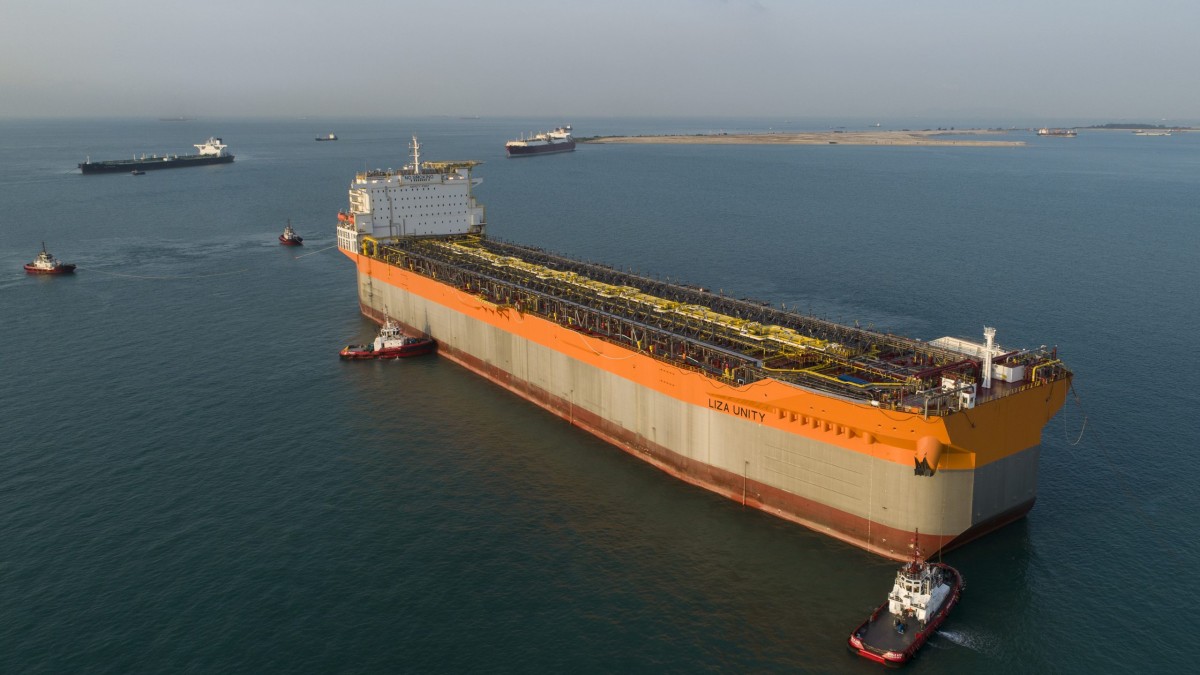
Barclays and others’ early assessments of Bumerangue hinge on analogues with similar giant pre-salt discoveries in Brazil's ultra-deepwaters. Barrels per square kilometer in Barclays' analysis ranges from 7 million to 18 million barrels. At 300 sq km and with a 500 meter gross hydrocarbon column, Barclays reckons Bumerangue could hold 2.1 billion barrels of oil equivalent at the low end and 5.5 billion boe at the top end. Using the analogy of Mero, with reserves of 3 billion boe and peak production of 700,000 boe per day, the bank says it “seems reasonable to think of Bumerangue being a similar scale — such that a multi-FPSO [floating production storage and offloading] development would be needed.”