NEW DELHI: India has launched its first national geothermal energy policy to develop the country’s largely untapped resources, as New Delhi seeks to further its transition to clean energy.
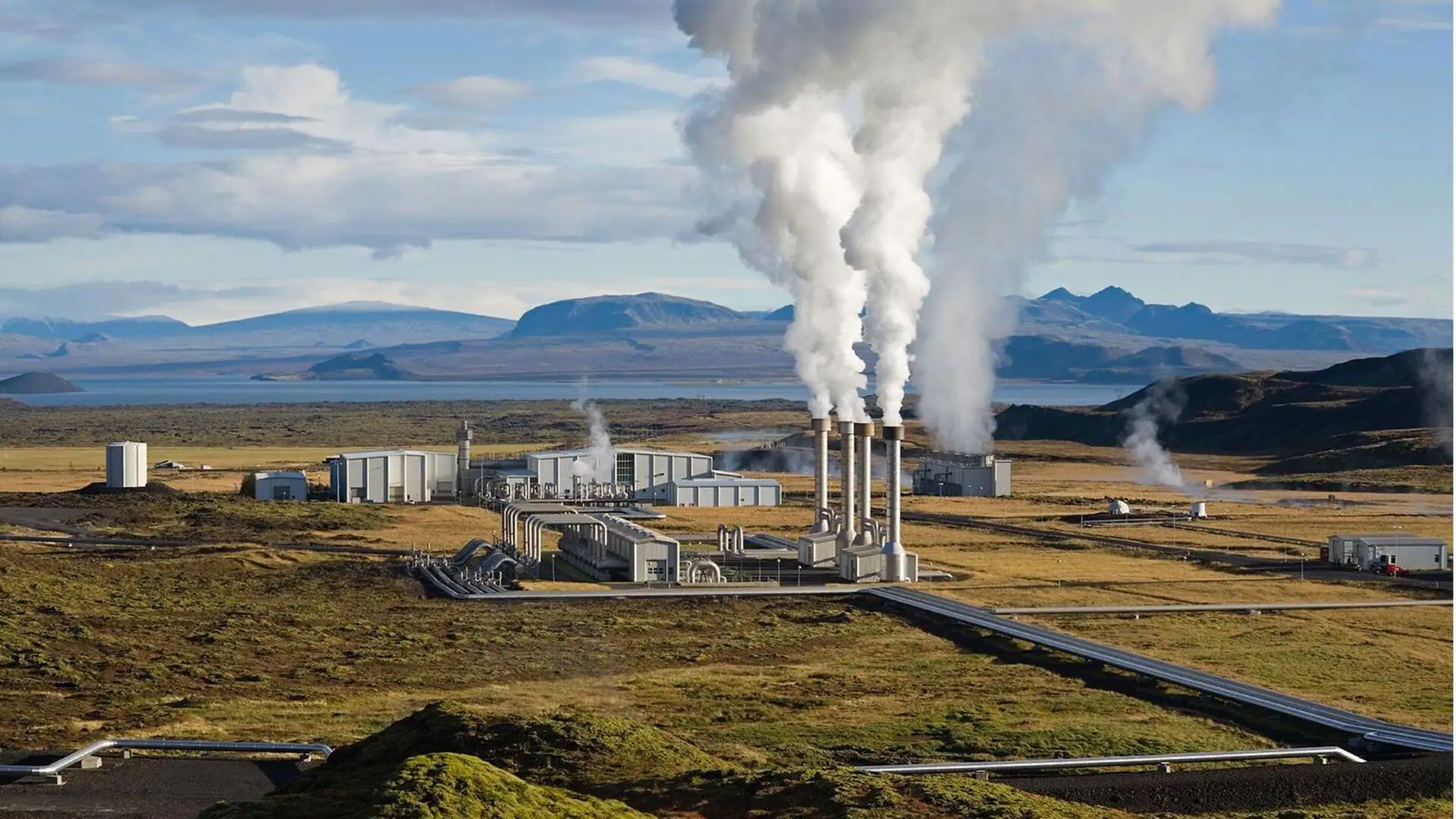
Geothermal, which currently meets less than 1 percent of global energy demand, is considered a clean source of power that harnesses heat produced by the Earth from underground reservoirs for heating, cooling and electricity generation.
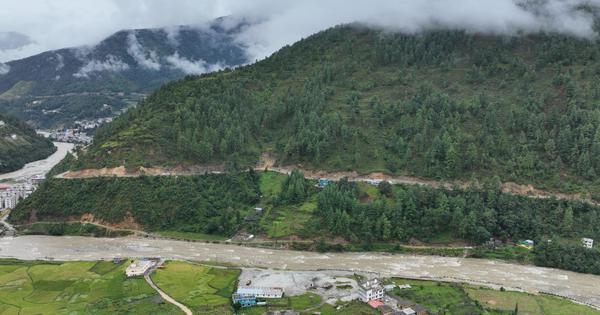
India has identified potential sites to explore and develop its geothermal energy sources, which include 381 hot springs and 10 geothermal provinces, including Ladakh, Himachal Pradesh and Gujarat.
“India’s renewable energy growth is vital for achieving ambitious climate change targets and the 2070 net-zero goal. India’s geothermal potential, rooted in its unique geological settings, remains largely untapped,” the Ministry of New and Renewable Energy said in the policy announcement on Monday.
The policy is aimed at establishing geothermal energy as “one of (the) major pillars in India’s renewable energy landscape” through incentives, regulations and improving capabilities for geothermal research, exploration, development and deployment.