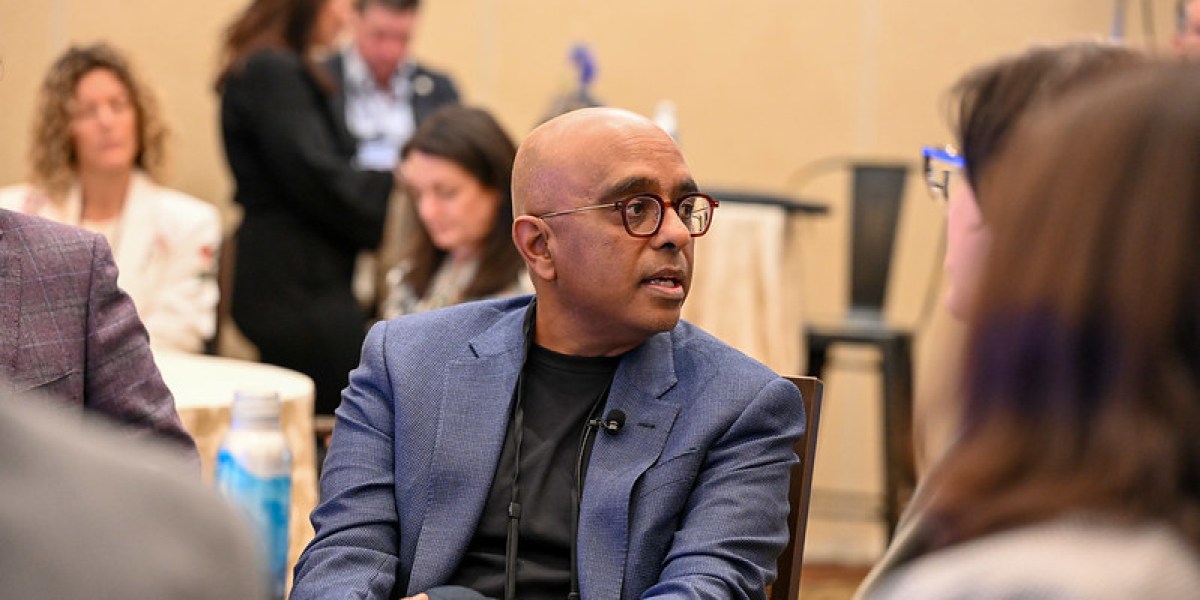
AI agents thrive when trust is designed in from the start, says vice president of product management at NICE, Neeraj Verma.
In partnership withNiCE
Automation has become a defining force in the customer experience. Between the chatbots that answer our questions and the recommendation systems that shape our choices, AI-driven tools are now embedded in nearly every interaction. But the latest wave of so-called “agentic AI”—systems that can plan, act, and adapt toward a defined goal—promises to push automation even further.
"Every single person that I've spoken to has at least spoken to some sort of GenAI bot on their phones. They expect experiences to be not scripted. It's almost like we're not improving customer experience, we're getting to the point of what customers expect customer experience to be," says vice president of product management at NICE, Neeraj Verma.
For businesses, the potential is transformative: AI agents that can handle complex service interactions, support employees in real time, and scale seamlessly as customer demands shift. But the move from scripted, deterministic flows to non-deterministic, generative systems brings new challenges. How can you test something that doesn’t always respond the same way twice? How can you balance safety and flexibility when giving an AI system access to core infrastructure? And how can you manage cost, transparency, and ethical risk while still pursuing meaningful returns?