RIYADH: Gulf Cooperation Council nations should adopt trade policies aligned with their industrial development goals to reduce external vulnerabilities and strengthen their influence in global commerce, according to a new analysis.
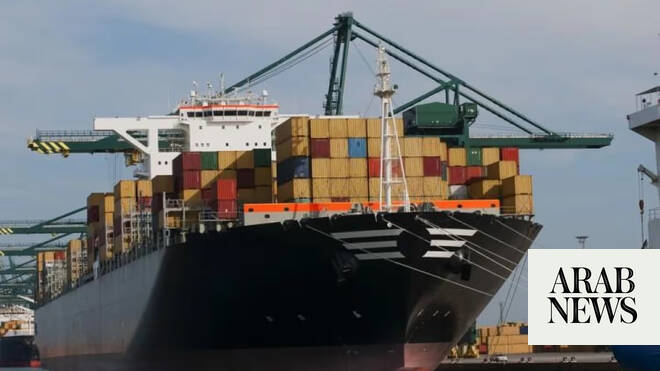
In its latest report, professional services firm KPMG said identifying supply chain risks, diversifying sources of critical inputs, and supporting outbound investment in upstream production are essential for regional economies to navigate an increasingly complex and fragmented global landscape.
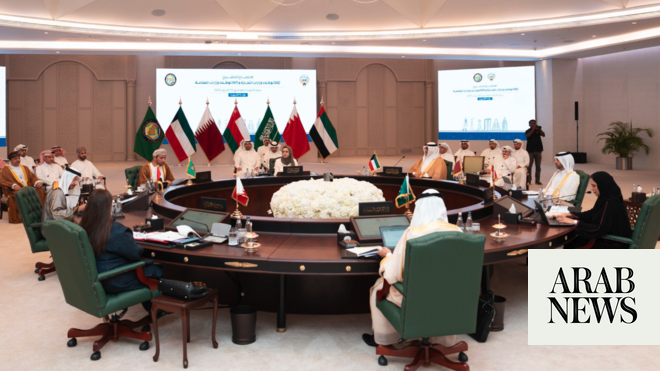
The report noted that GCC member states need to act with unity, integration, and ambition over the next few years by implementing coordinated trade and industrial strategies to ensure greater economic stability and a stronger voice in global markets.
In June, the World Bank underlined the region’s bright economic prospects, projecting GCC growth of 3.2 percent in 2025, accelerating to 4.5 percent in 2026.
Commenting on his firm’s report, Omar Alhalabi, partner and head of economics and public policy advisory at KPMG Middle East, said: “At the regional level, GCC countries should use the Customs Union as a platform to align trade and industrial policy, coordinate negotiations in priority sectors, harmonize incentive frameworks, and co-finance joint industrial projects.”