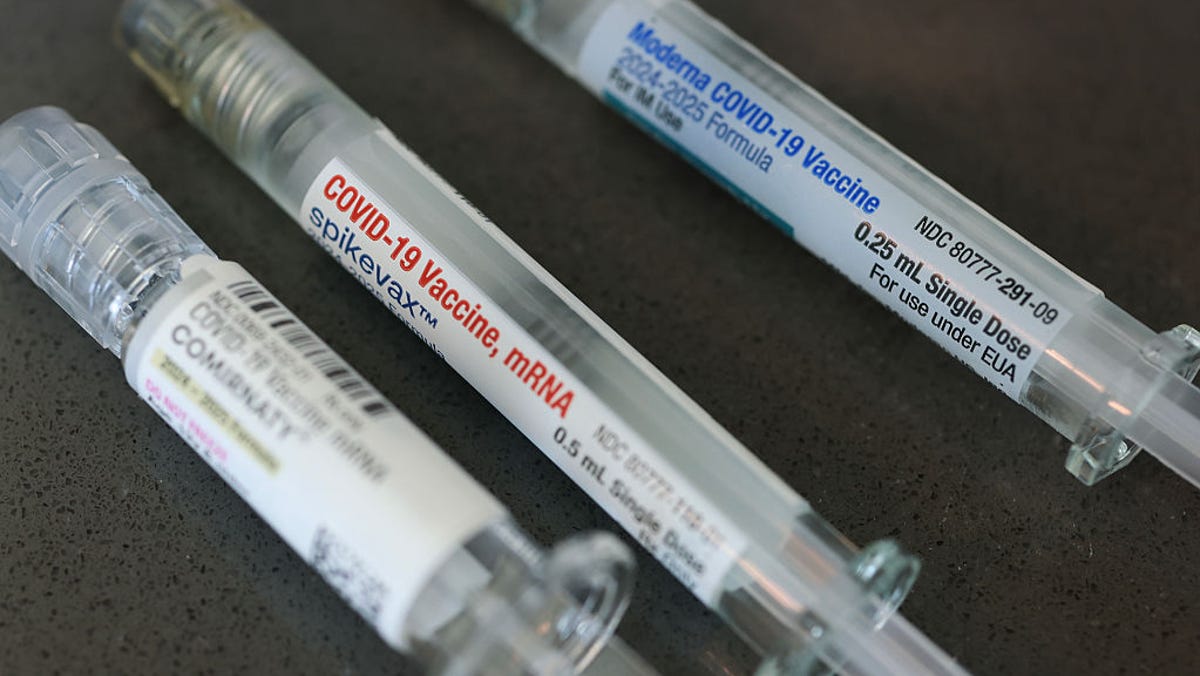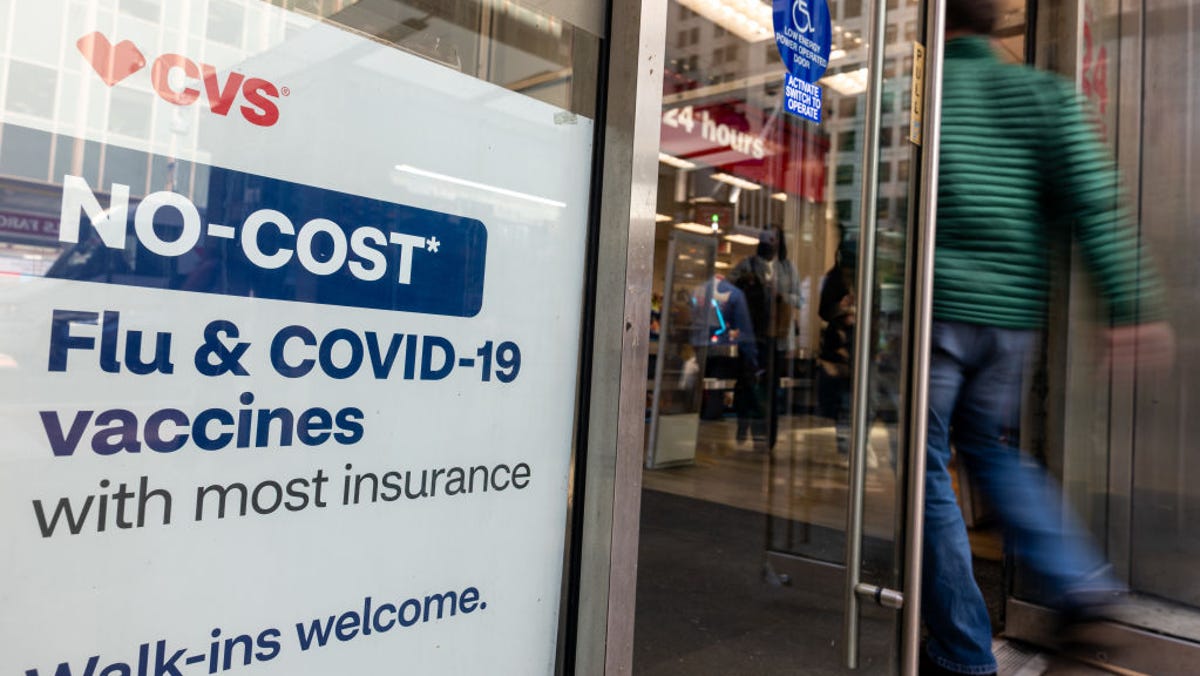
Several states have issued their own guidance about COVID-19 vaccines since the FDA released its 2025-2026 formula approvals on Aug. 27, significantly restricting who can access the vaccines for the first time since their release.
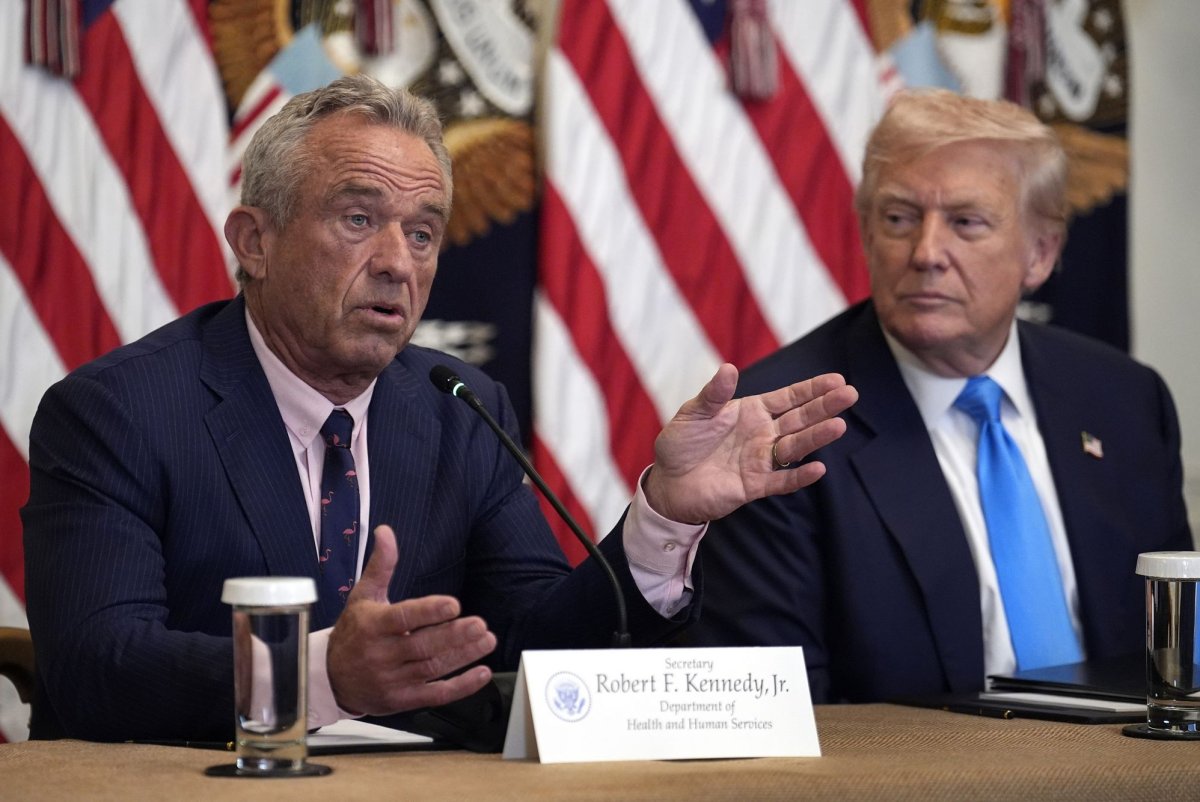
Under the updated approvals, only those over 65 and people with existing health problems are recommended to get the COVID-19 vaccine, according to federal guidelines. The controversial announcement came a few months after Health and Human Services Secretary Robert F. Kennedy Jr. said the COVID-19 vaccine would no longer be included in the Centers for Disease Control and Prevention (CDC) recommended immunization schedule for healthy children and pregnant women, a move that drew criticism from national medical organizations.
What to know right now: RFK Jr., the CDC and confusing vaccine recommendations.
While HHS said that the tighter eligibility criteria would not impede access to vaccines, confusion quickly followed. The uncertainty was compounded by the lack of a recommendation from the Advisory Committee on Immunization Practices (ACIP), which provides guidance on vaccine use to the CDC.
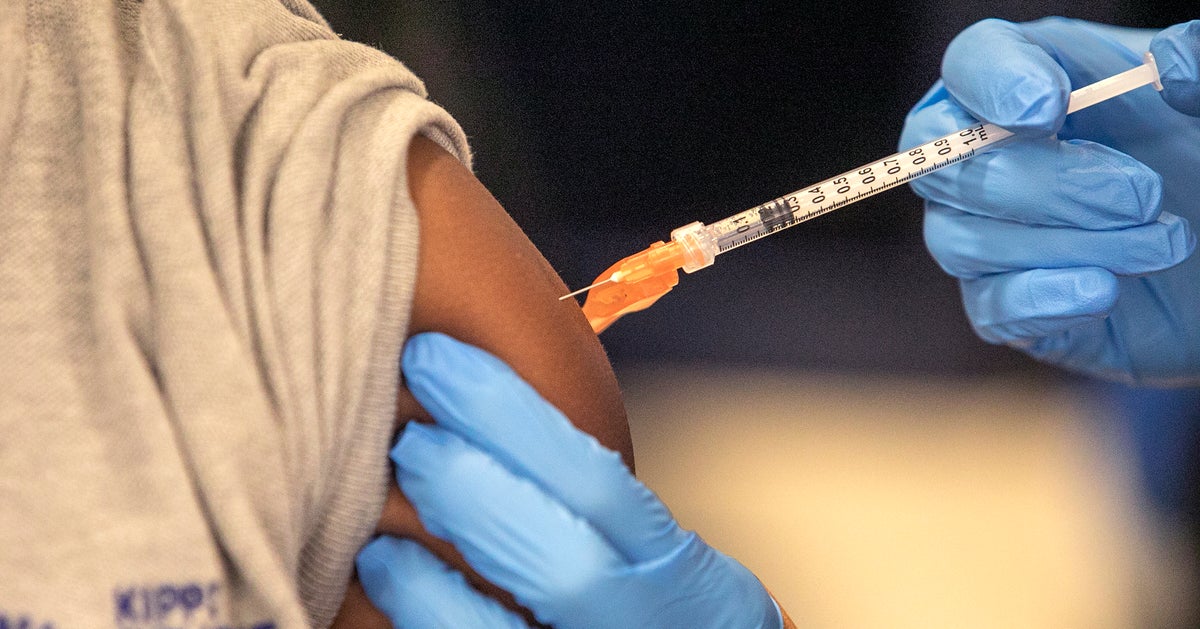
While the vast majority of people receive their seasonal vaccines at pharmacies, licensed pharmacists in some states cannot administer vaccines without an ACIP recommendation. Some insurance providers are likewise not obligated to or choose not to cover vaccines not included in the CDC immunization schedule.