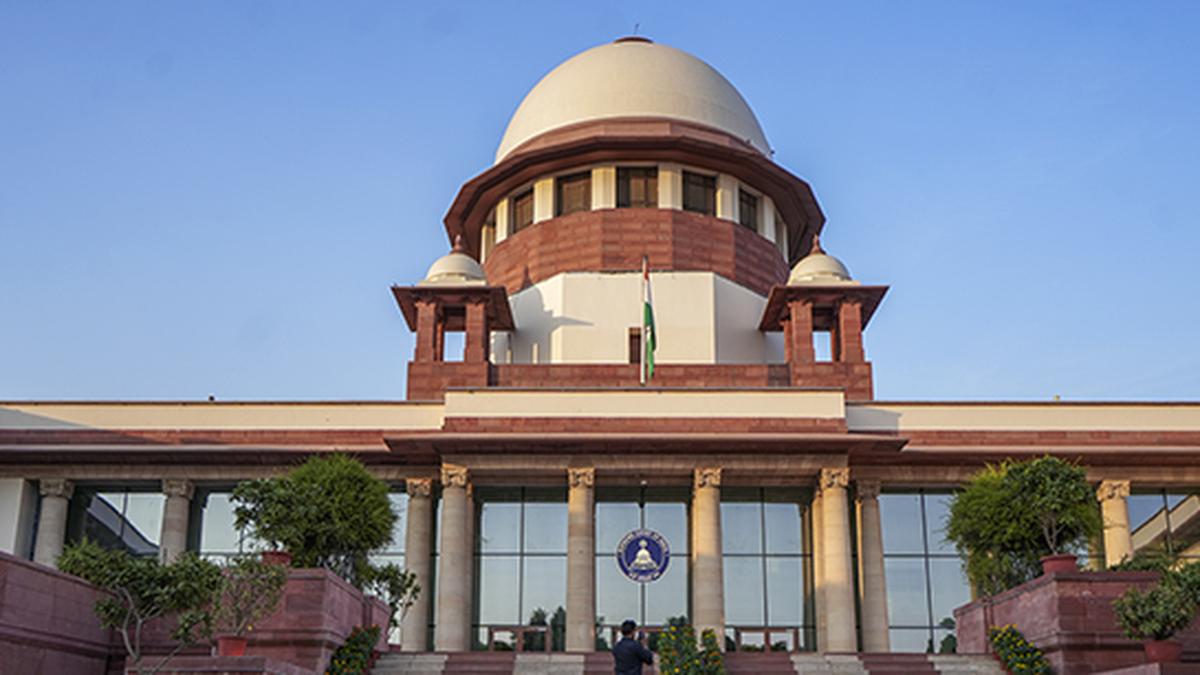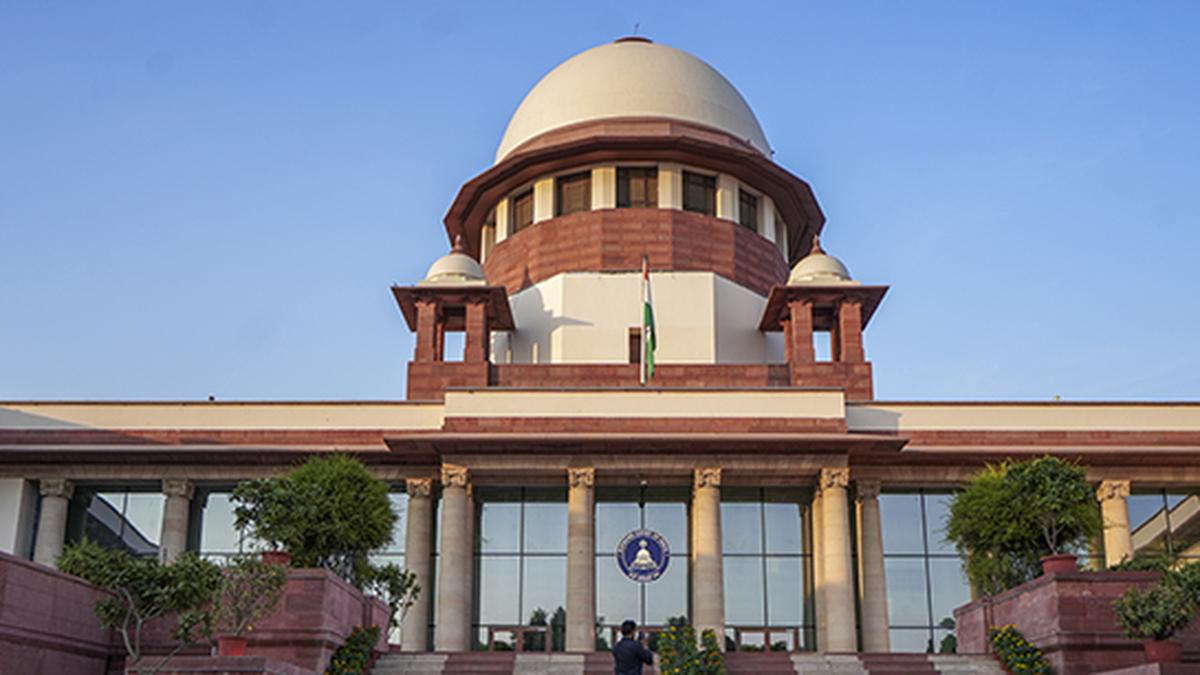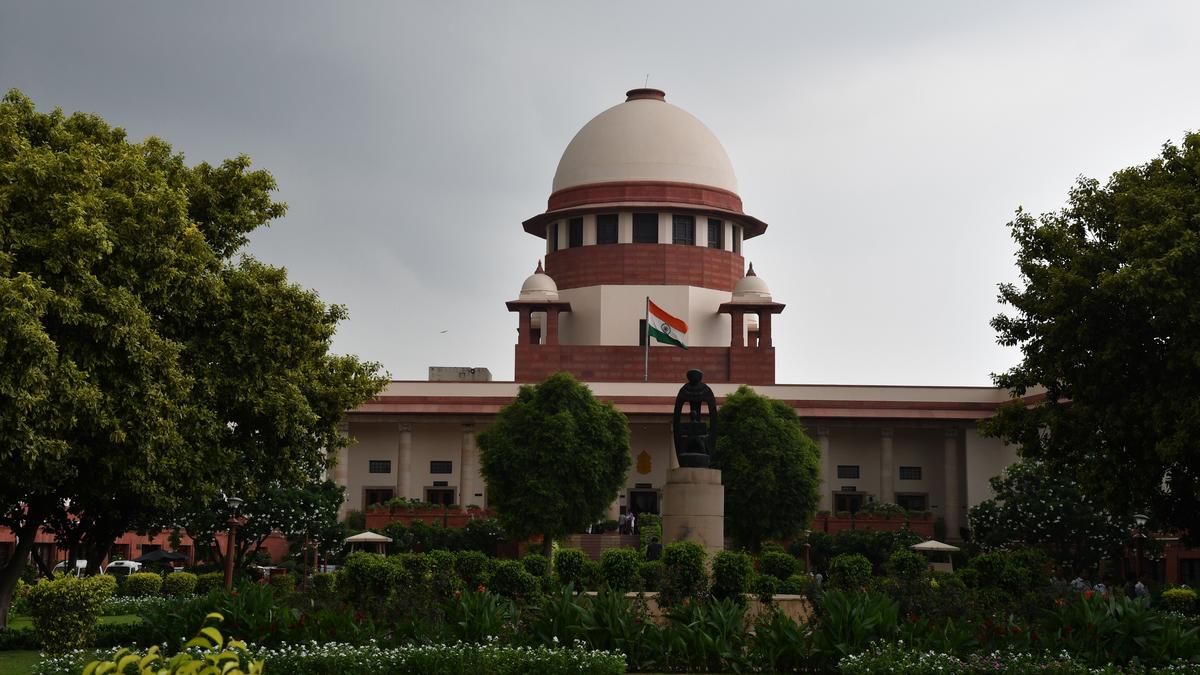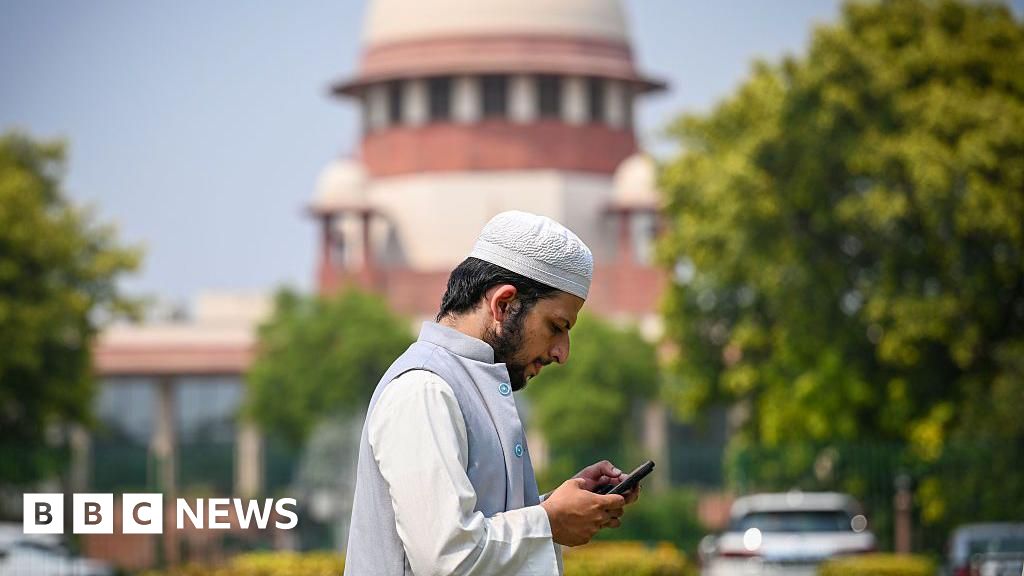
India's Supreme Court has suspended key provisions of a controversial new law that changes how properties donated by Muslims are owned and managed in the country.
The court was hearing pleas by Muslim groups and opposition parties who argue the Waqf (Amendment) Act 2025 infringes on the rights of Muslims. The government says it will make managing the properties more transparent.
In Islamic tradition, a waqf is a charitable or religious donation made by Muslims for the benefit of the community.
Such properties - worth billions of dollars - are important to India's 200 million Muslims as they are used for mosques, madrassas, graveyards and orphanages - and cannot be sold for any other purpose.
Historically, these properties have been governed by the Waqf Act, 1995, which mandated the formation of state-level waqf boards to manage them.