Homes without heating, bedrooms with beds. If we are to offer any hope to the children of austerity, the next few weeks will be decisive
R
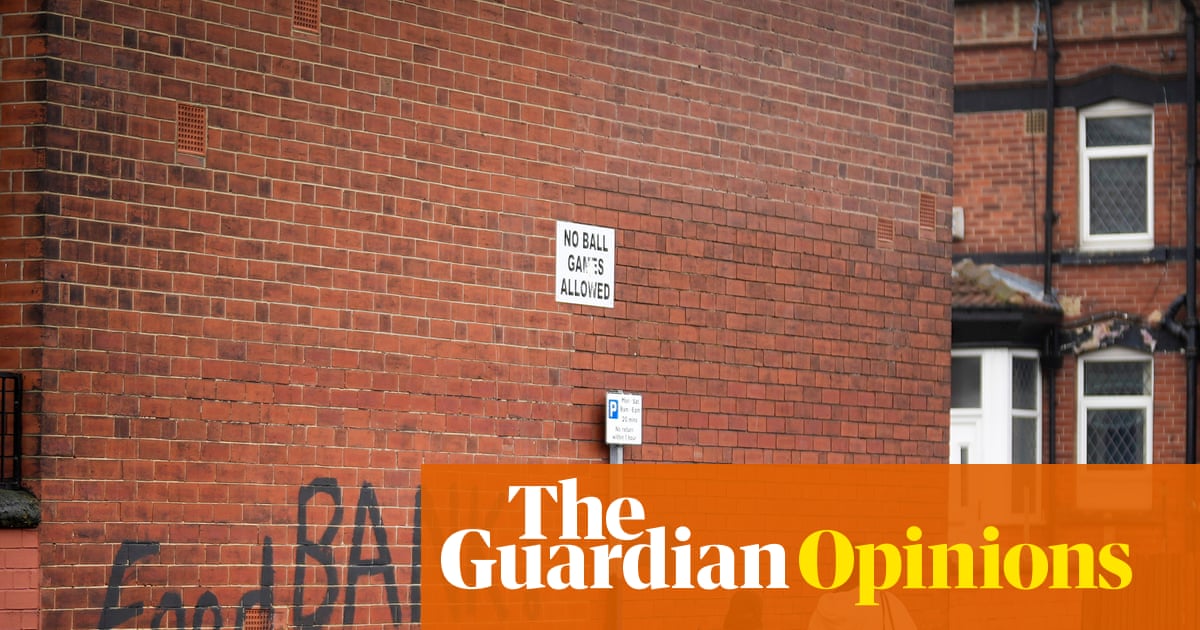
un-down housing estates in Britain’s former industrial heartlands remind us of the poverty described by George Orwell in The Road to Wigan Pier in 1937 – but these days there is no Orwell to chronicle what the arithmetic of deprivation means for families condemned to lives of poverty.
Millions of children, as the children’s commissioner for England, Dame Rachel de Souza, told us this summer, are faring very badly, living in “almost Dickensian levels of poverty”. And what she calls the striking awareness children have of being poor requires us to find a modern-day Dickens to hear their voices.
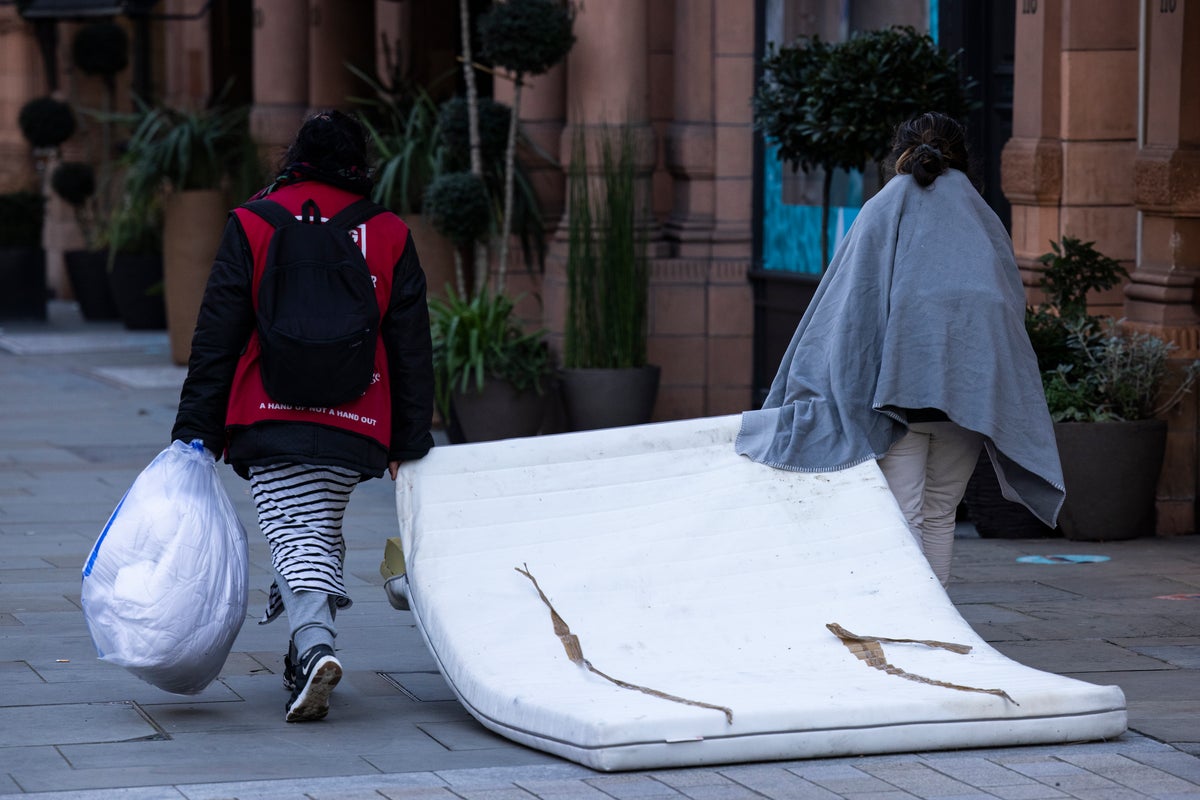
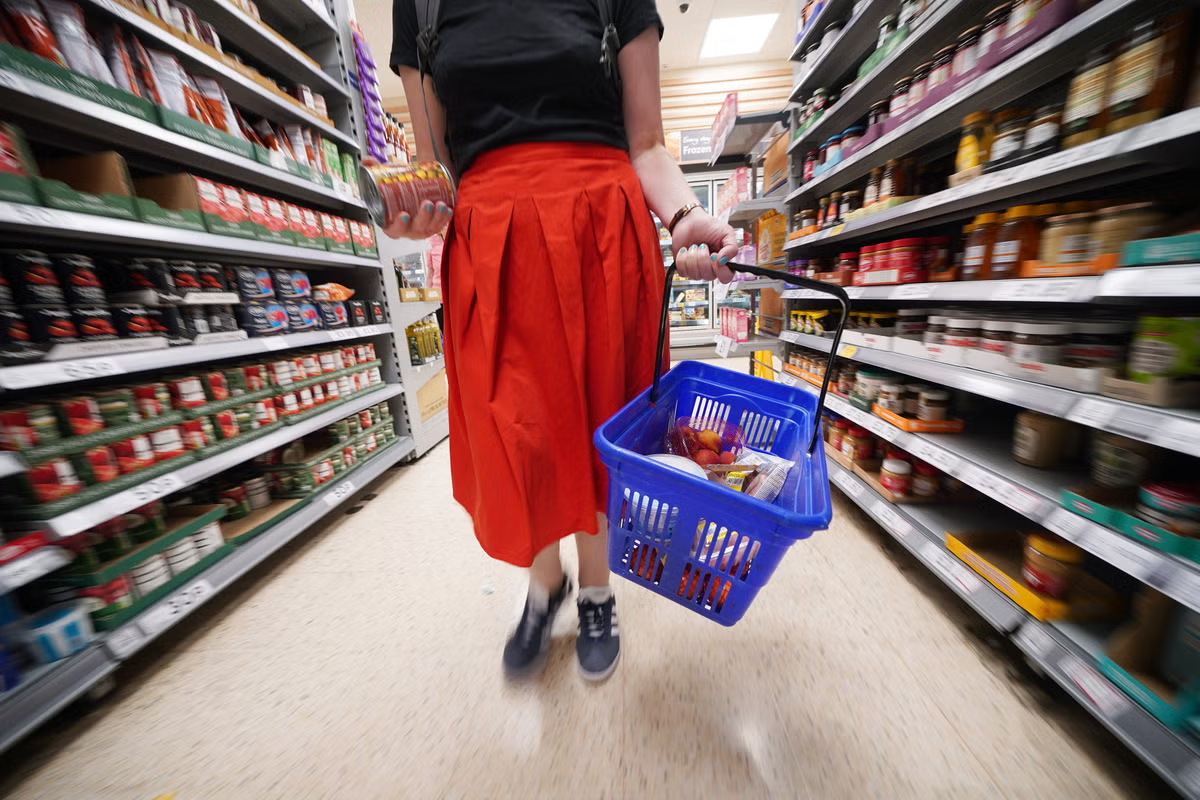
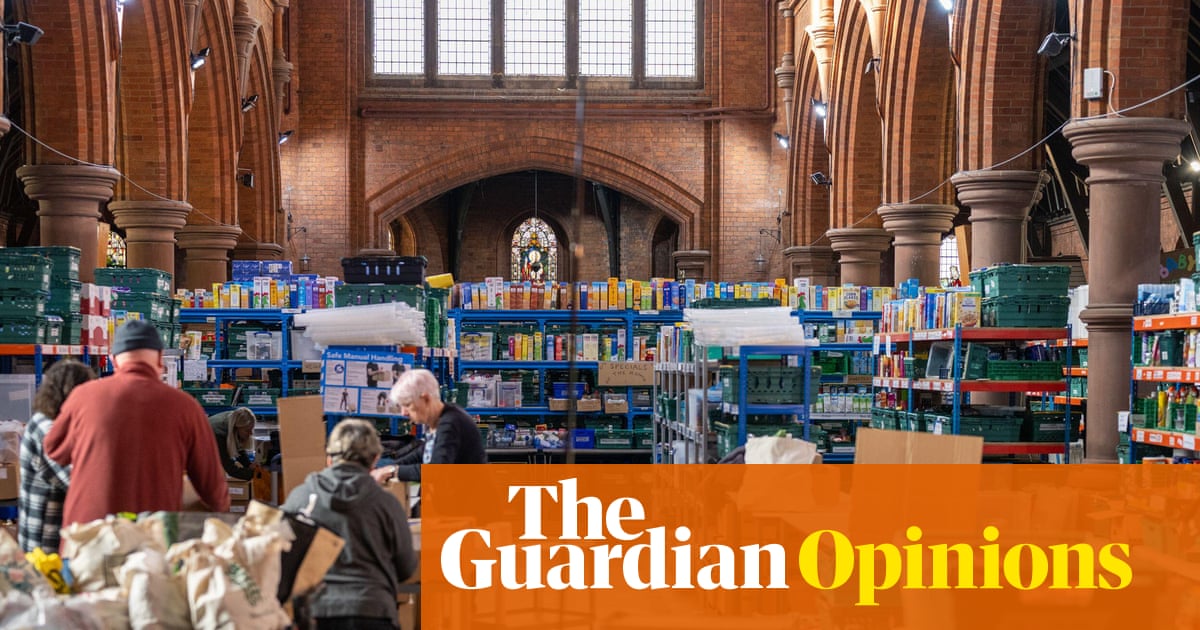
For the past two years – and from my experience of working with a new charity, Multibanks UK, which complements food banks by offering clothing, bedding, hygiene goods and baby goods for families in need – I, like the children’s commissioner, have been seeing the hidden injuries of poverty. It’s not only the shortage of basic essentials as food prices rise far faster than wages and child benefits. It’s the totality of the conditions in which so many of the generation I call austerity’s children – young people born into poverty in the Tory years – are living: homes without heating, bedrooms without beds, kitchens without kitchen utensils, floors without coverings and even toilets without toilet rolls.