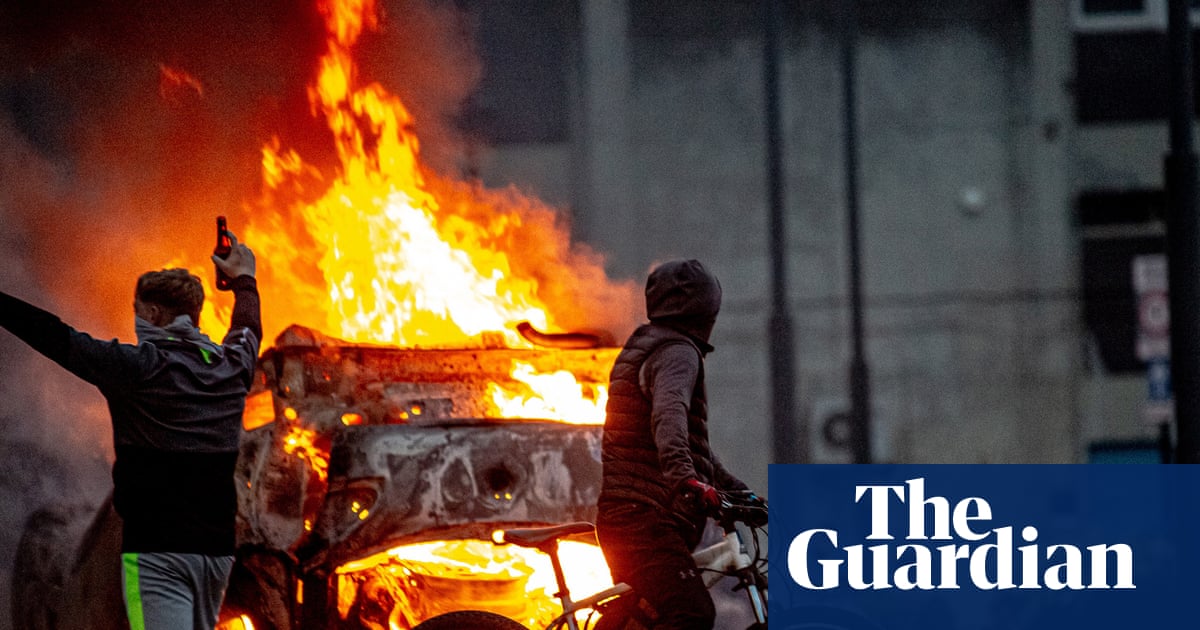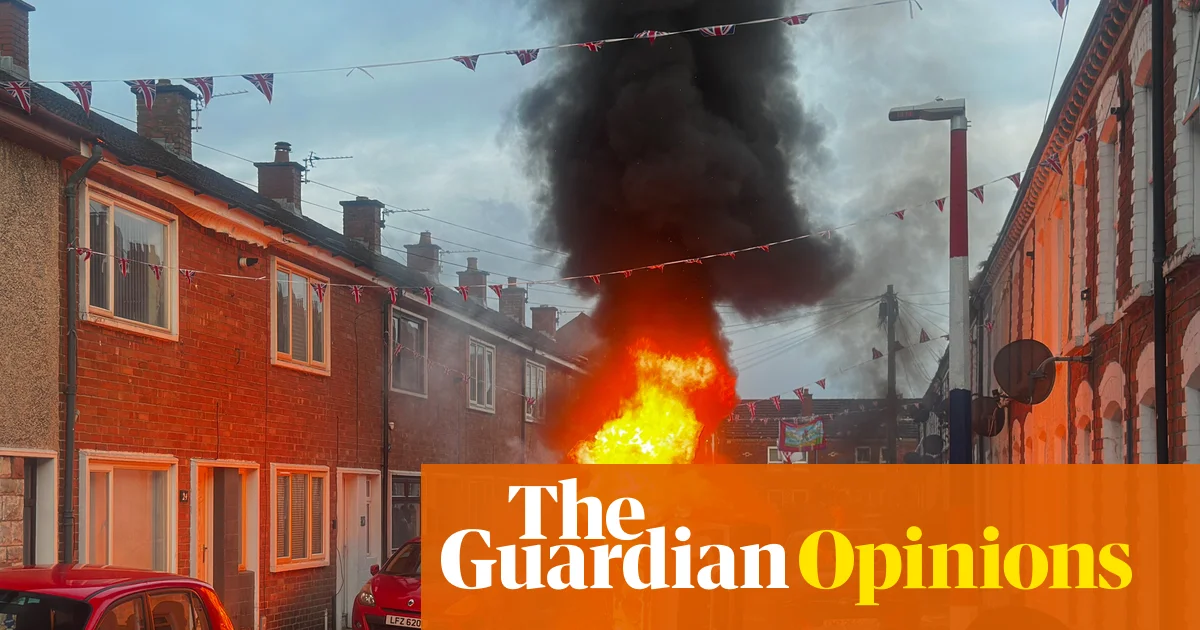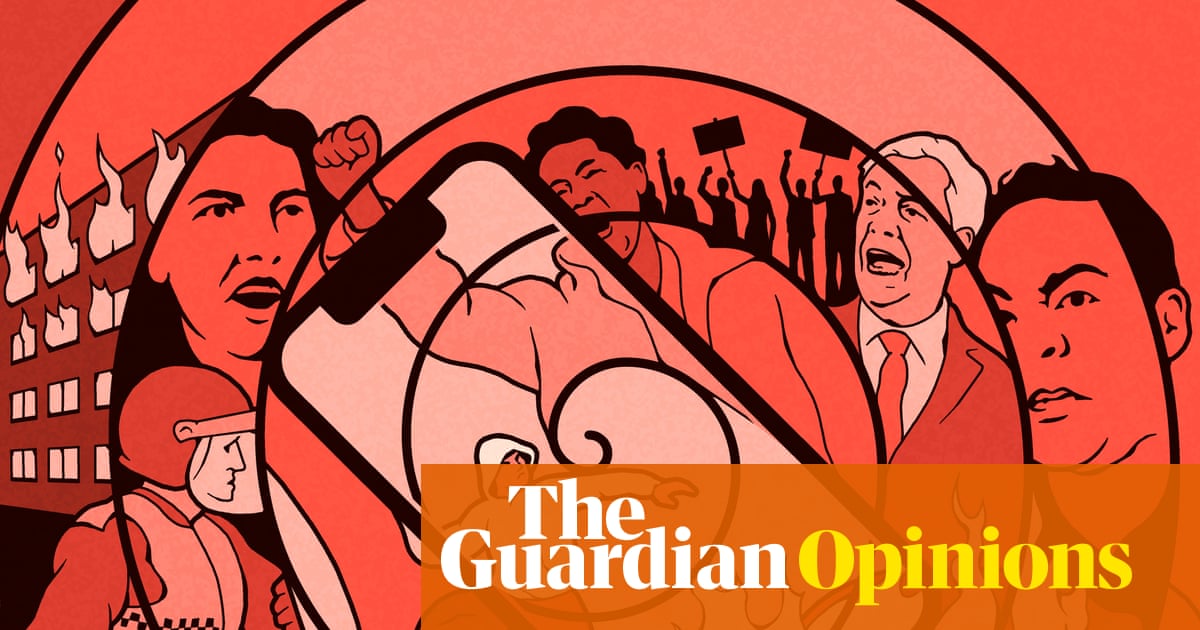
Whatever the reality of Britain today, our social media feeds are full of anger, violence and disorder – and that’s the reality politicians must confront
A
decade ago, just before the Brexit referendum and Donald Trump’s presidential victory over Hillary Clinton started the febrile era we are still stuck in, there was a common understanding of the main way social media messed with our minds – by presenting absurdly idealised versions of people’s lives, and thereby making other human beings miserable.
“We see wild parties, holidays, weddings, family outings and close-knit friendship groups,” wrote one Guardian journalist in 2015. She went on: “Apart from commemorating a deceased person’s life, you’ll be hard pushed to find a really bad moment in your feed.” Here, it seemed, was a modern iteration of the opium always purveyed by free-market capitalism, resulting in a constant stream of personal happiness and precious little recognition of life’s more difficult aspects: social strife, inequality, disagreement.
Of course, users still post impossibly upbeat depictions of who they are and what they do. But for the most part, we now live in a completely different era. A lot of explanations for this centre on what has become the internet’s most rampant kind of content: the short-form video popularised by TikTok, and then spread further by such imitations as Instagram’s Reels and YouTube Shorts. Those innovations have triggered a complete upending of the online world: rather than posts about personal contentment and bliss, as our fingers scroll and swipe, we are now fed a diet of violence, prejudice, damage and social unrest. It is warping our understanding of the world, and rapidly reshaping our politics.