https://arab.news/vbav2
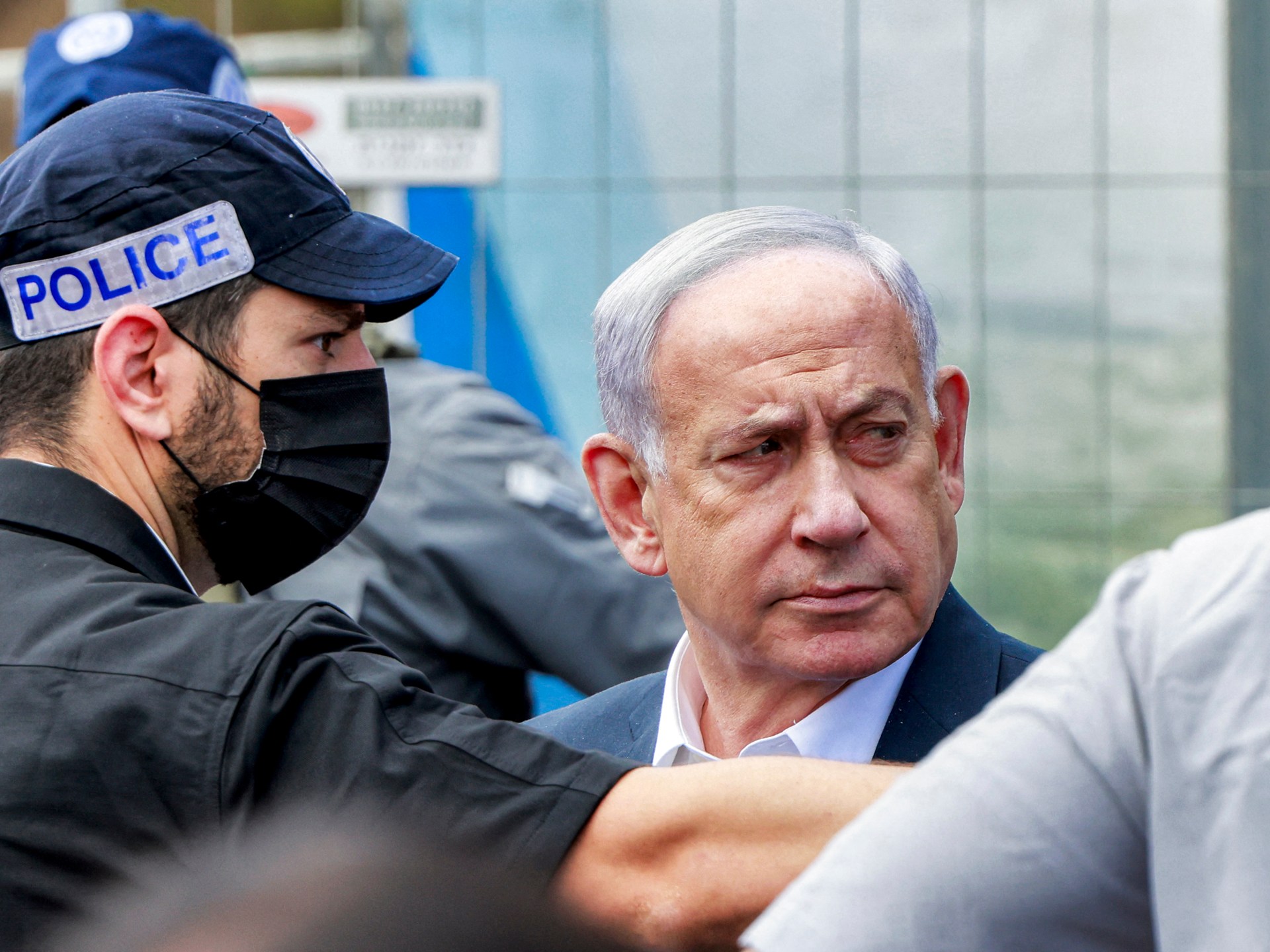
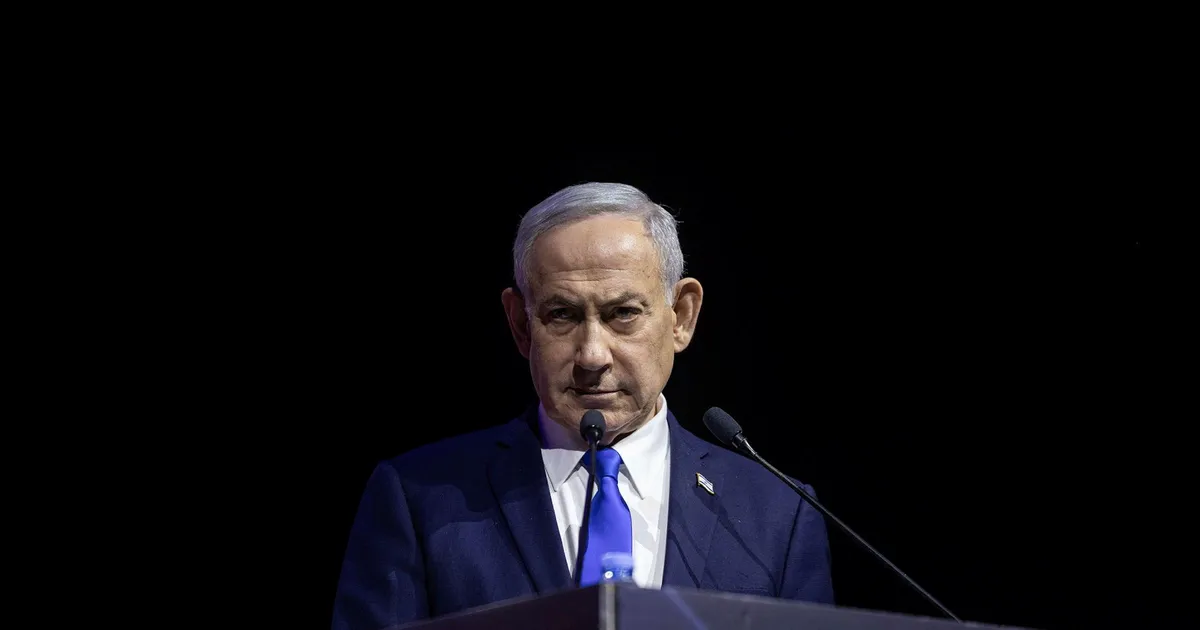
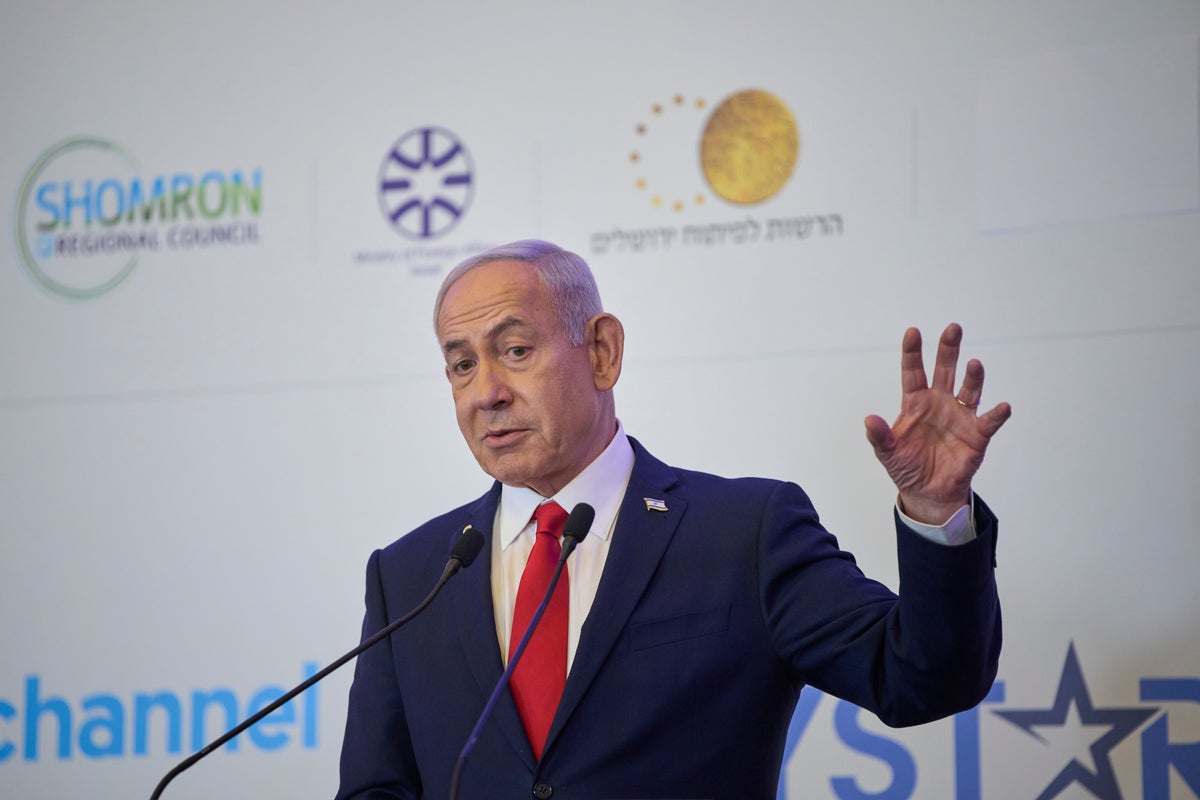
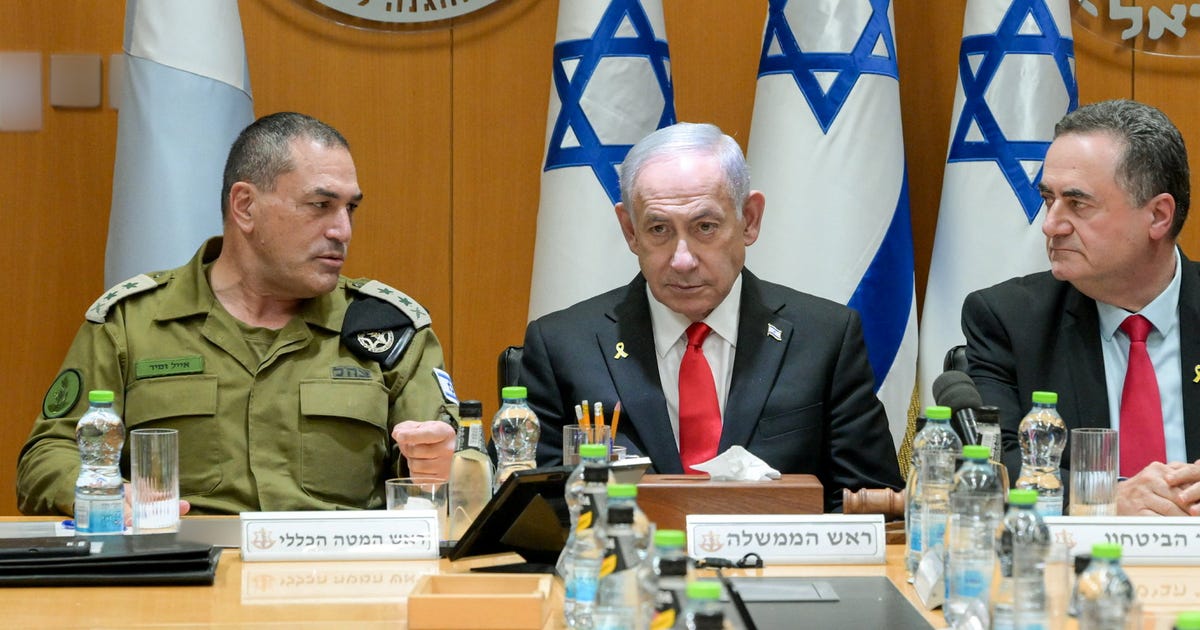
If there is still anyone with the slightest doubt that Benjamin Netanyahu’s delaying tactics when it comes to a ceasefire in Gaza are about his political survival, they should look no further than his decision to expand the war by occupying Gaza City. The Israeli prime minister has decided to do so despite a rare international consensus, with the exception of the US, against the move, and most significantly against the advice of Israeli military chief Eyal Zamir.
By taking such a critical decision in the face of strong opposition from the highest echelons of the Israeli military, Netanyahu has prompted the most severe crisis in civil-military relations since the country’s founding in 1948. To be sure, in relations between the political leaders and the military, it is for the latter to advise about the strengths and risks of executing the government’s decisions, and even question the wisdom of its policies, but ultimately it is the politicians who make the final decision. Yet, no country can win a war if differences between its security forces and political decision-makers develop into a major rift.
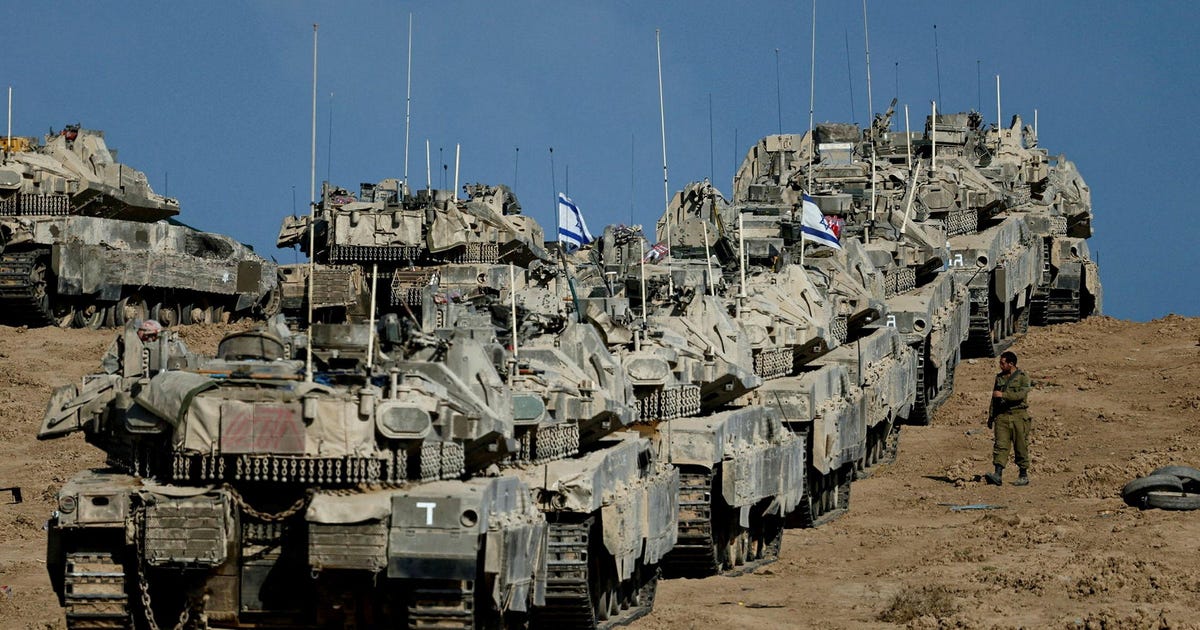
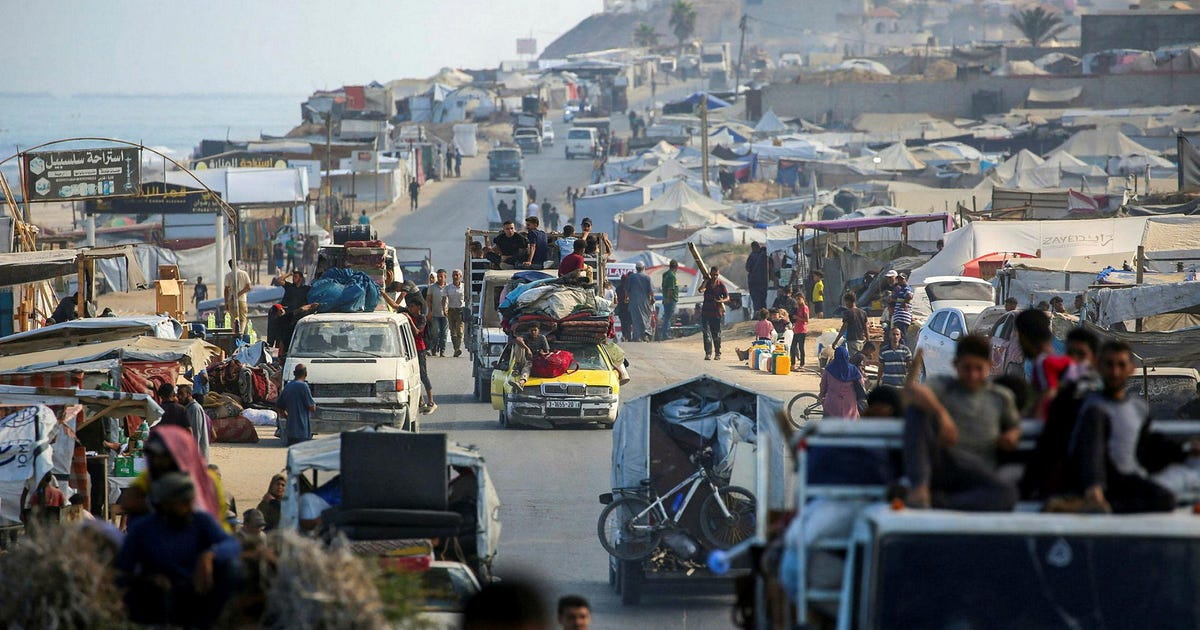
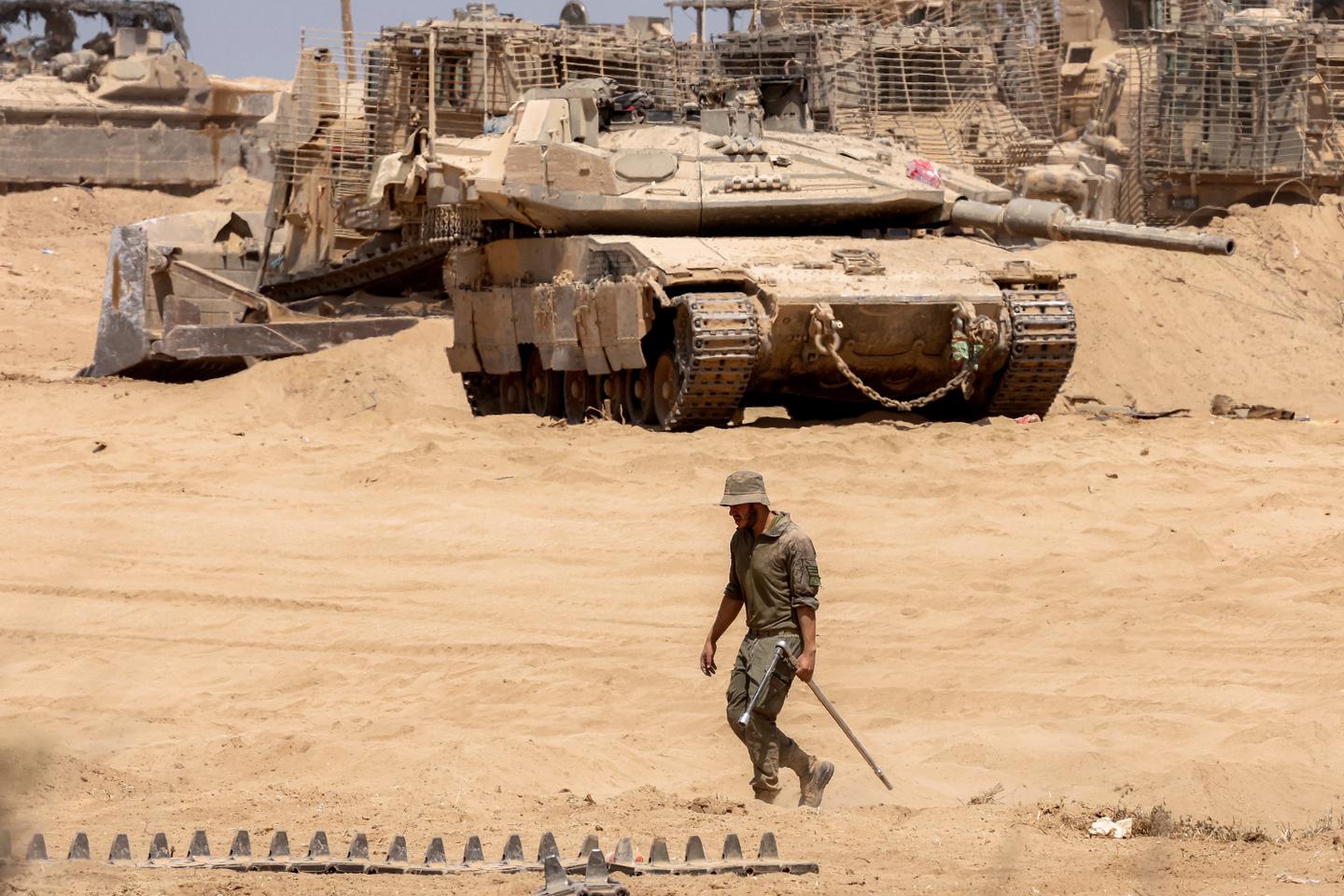
In the case of the assault on Gaza, the army is now being asked, after almost two years of an exacting and exhausting war on multiple fronts, to enter a highly populated urban area, expel its population by force, and fight what remains of Hamas, while severely risking the lives of the remaining hostages and the soldiers themselves. The readiness of Israel’s political leadership to compel the military to do something to which it is so strongly and openly opposed is unprecedented.