A petitioner brought up numbers in education to claim that the Maratha community is “not backward” and is “economically capable” during a hearing in the Bombay High Court on a challenge to the constitutional validity of Maharashtra State Reservation for Socially and Educationally Backward Classes (SEBC) Act, 2024, which grants 10% reservation to the community in education and in government jobs in the State.
Sanjeet Shukla, who has filed a Public Interest Litigation (PIL) petition, claimed that the Maratha community is at par with the education level of other communities.
Behind Maratha quota issue resolution, a climbdown by both the Mahayuti government and the activist
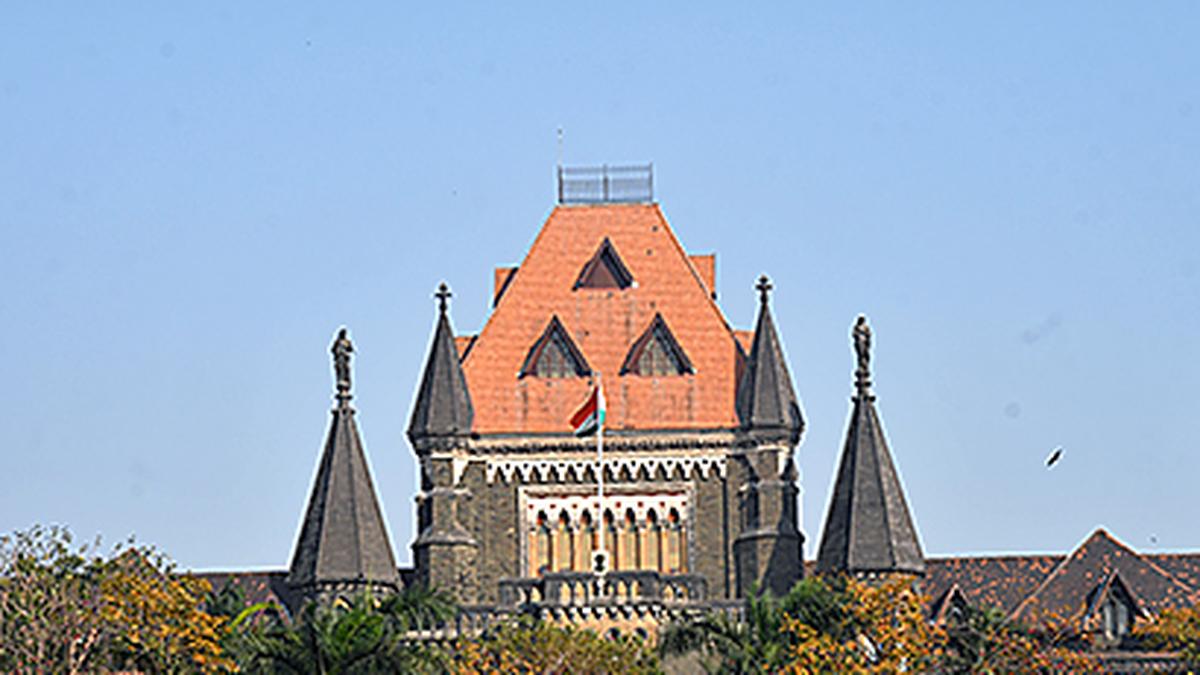
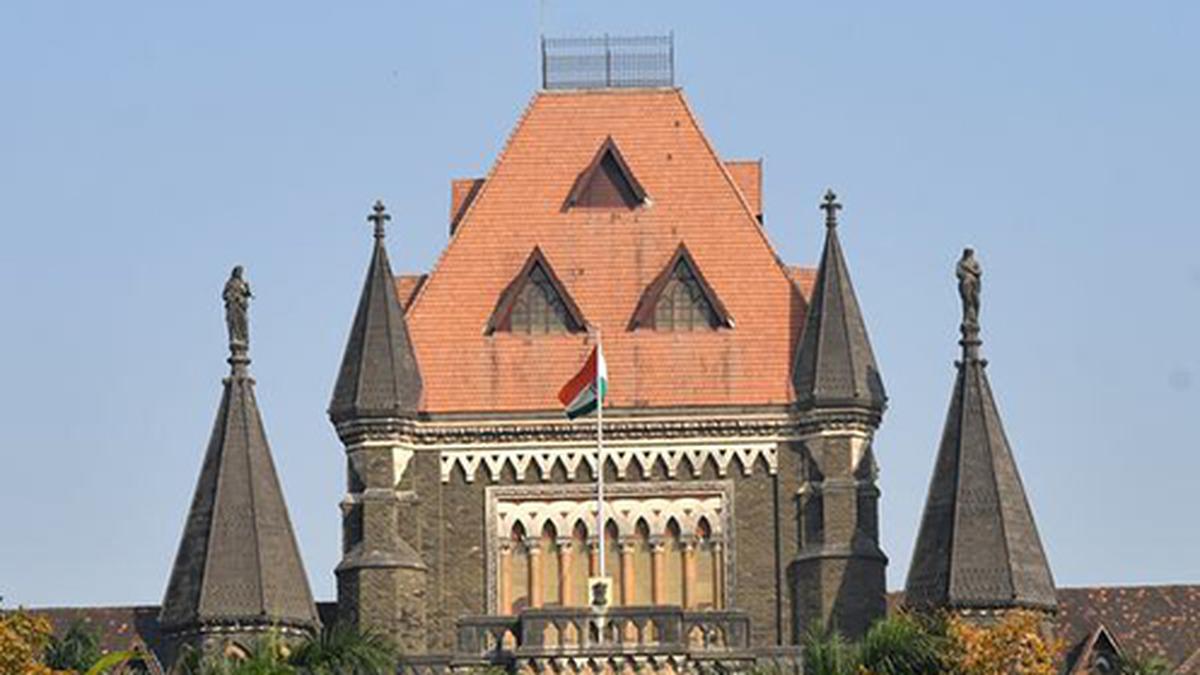
A Bench comprising Justice Ravindra V. Ghuge, Justice N. J. Jamadar, and Justice Sandeep Marne was hearing petitions challenging the constitutional validity of the SEBC Act on the grounds that the Marathas are not a backward community. The special three-judge bench of the Bombay High Court was set up on the directives of the Supreme Court to hear a bunch of pleas in this regard.
Senior counsel Pradeep Sancheti, representing the petitioner, argued in the court that “the Maratha community is not backward and is economically capable.”