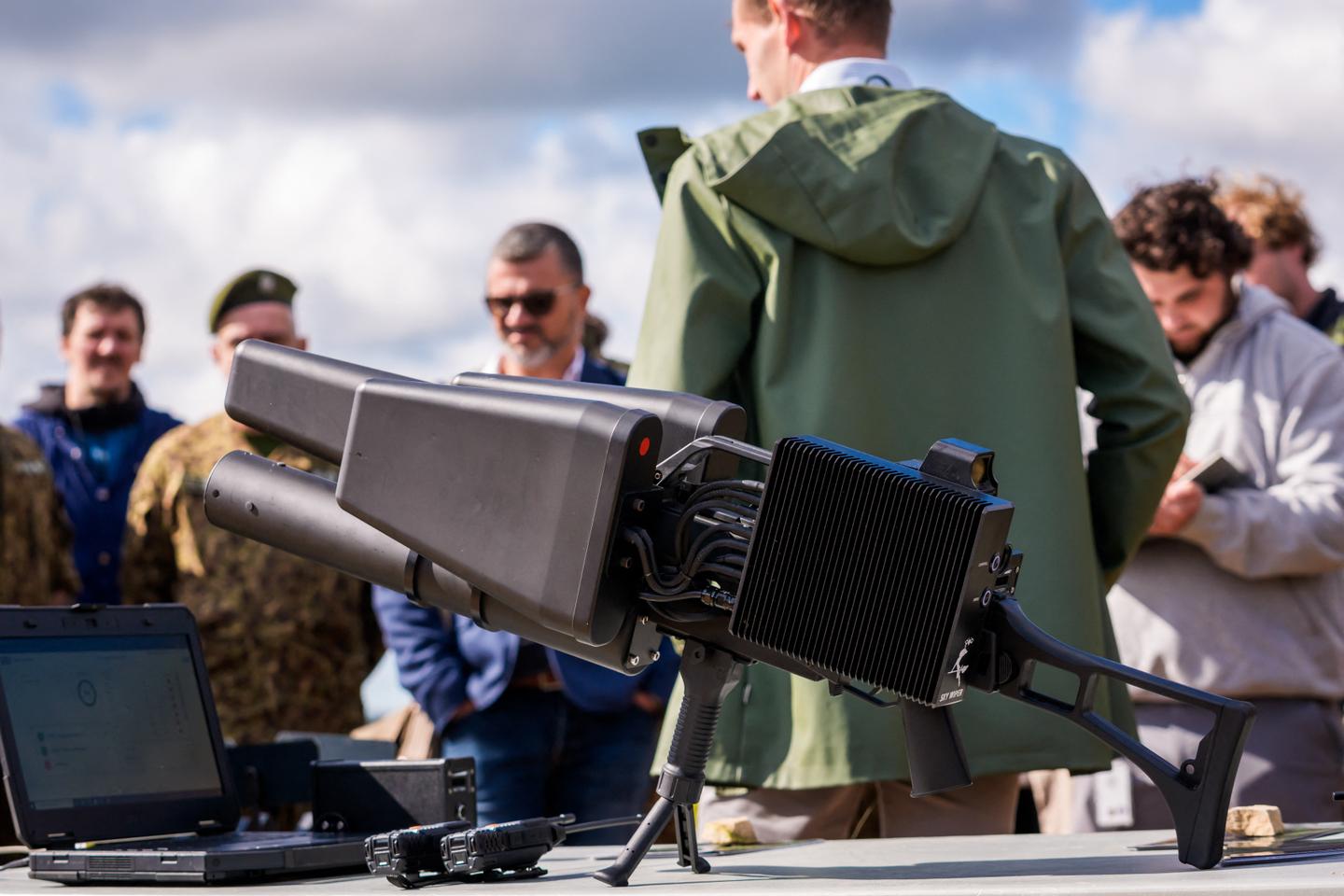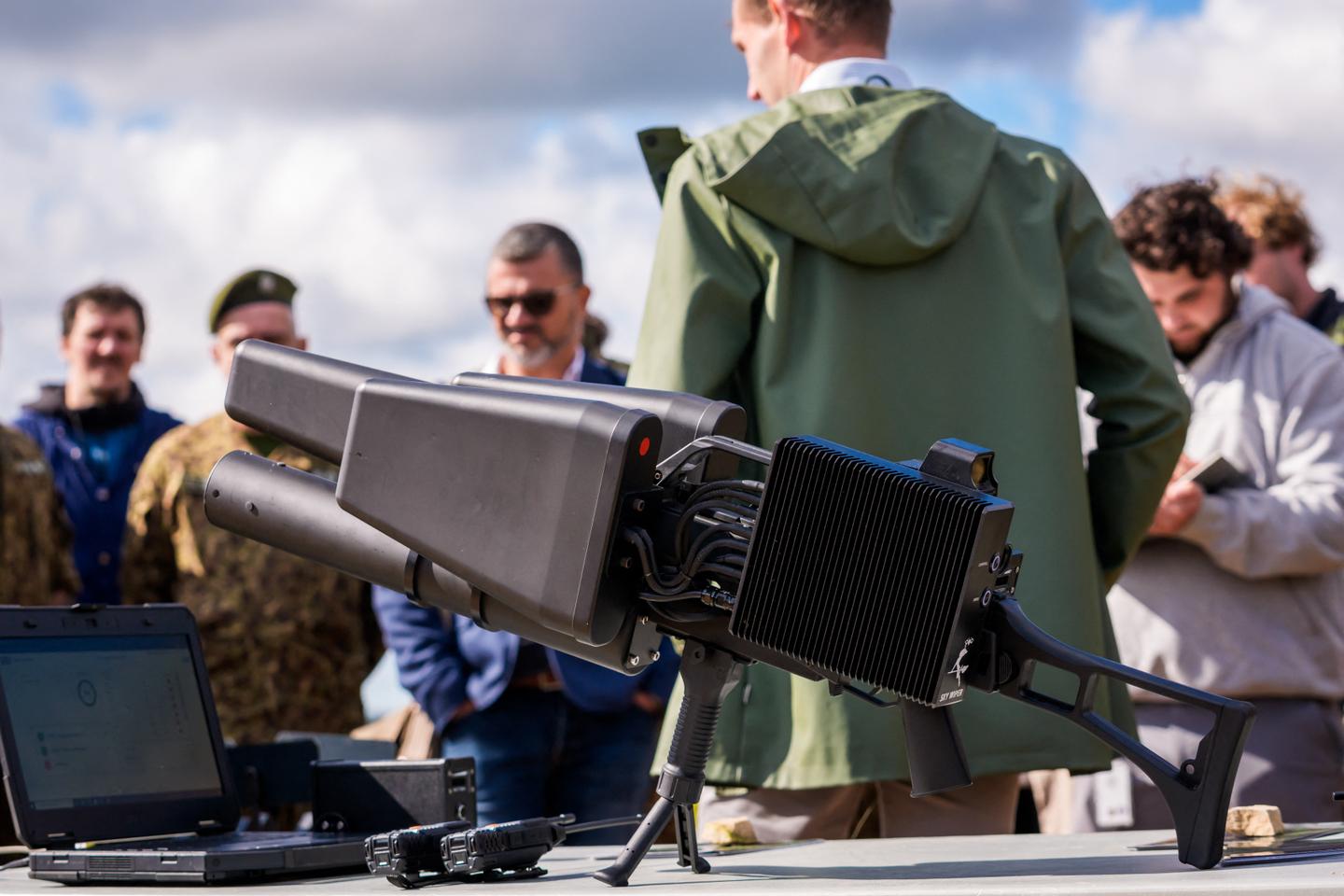
A Lithuanian SkyWiper anti-drone system during the international Baltic Trust 25 (BATT25) anti-drone military exercise at the Selonia military base near Viesite (Latvia), August 27, 2025. GINTS IVUSKANS/AFP
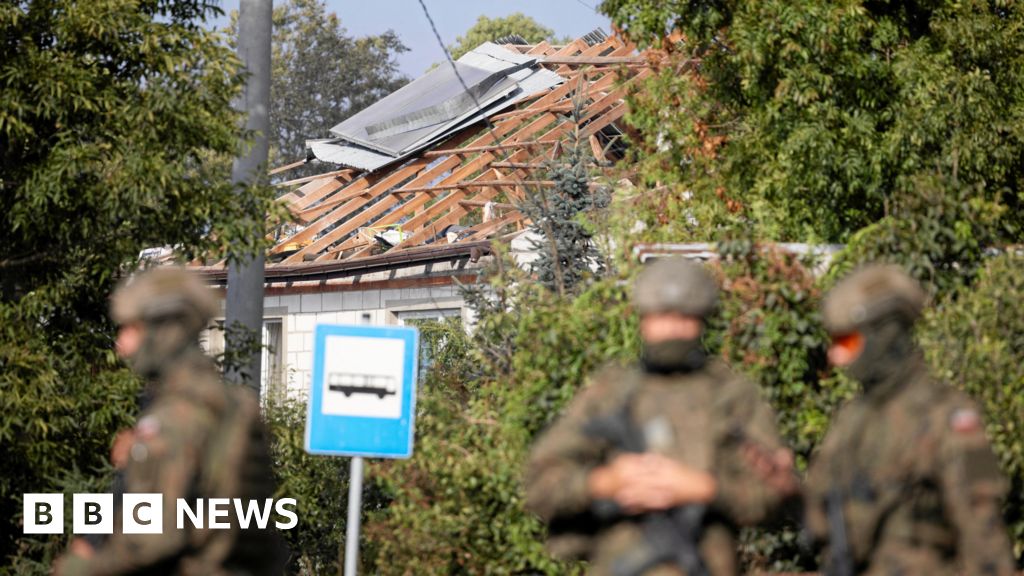
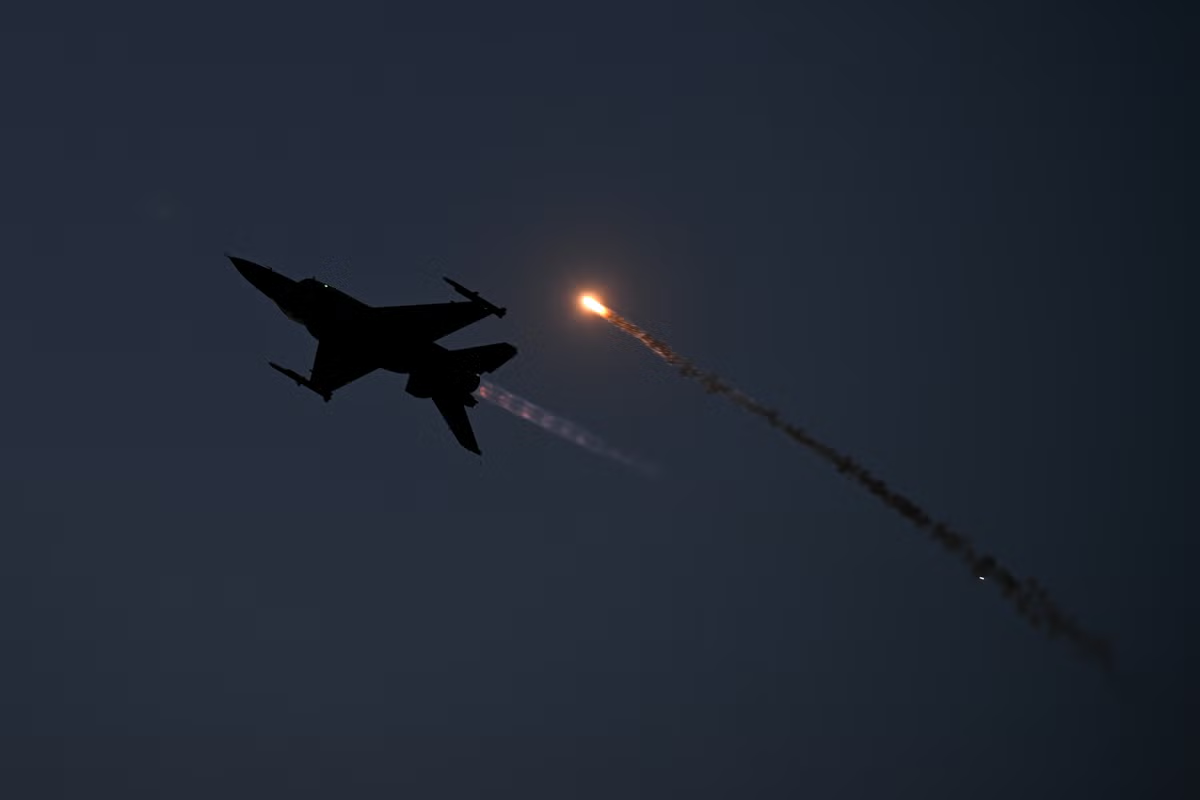
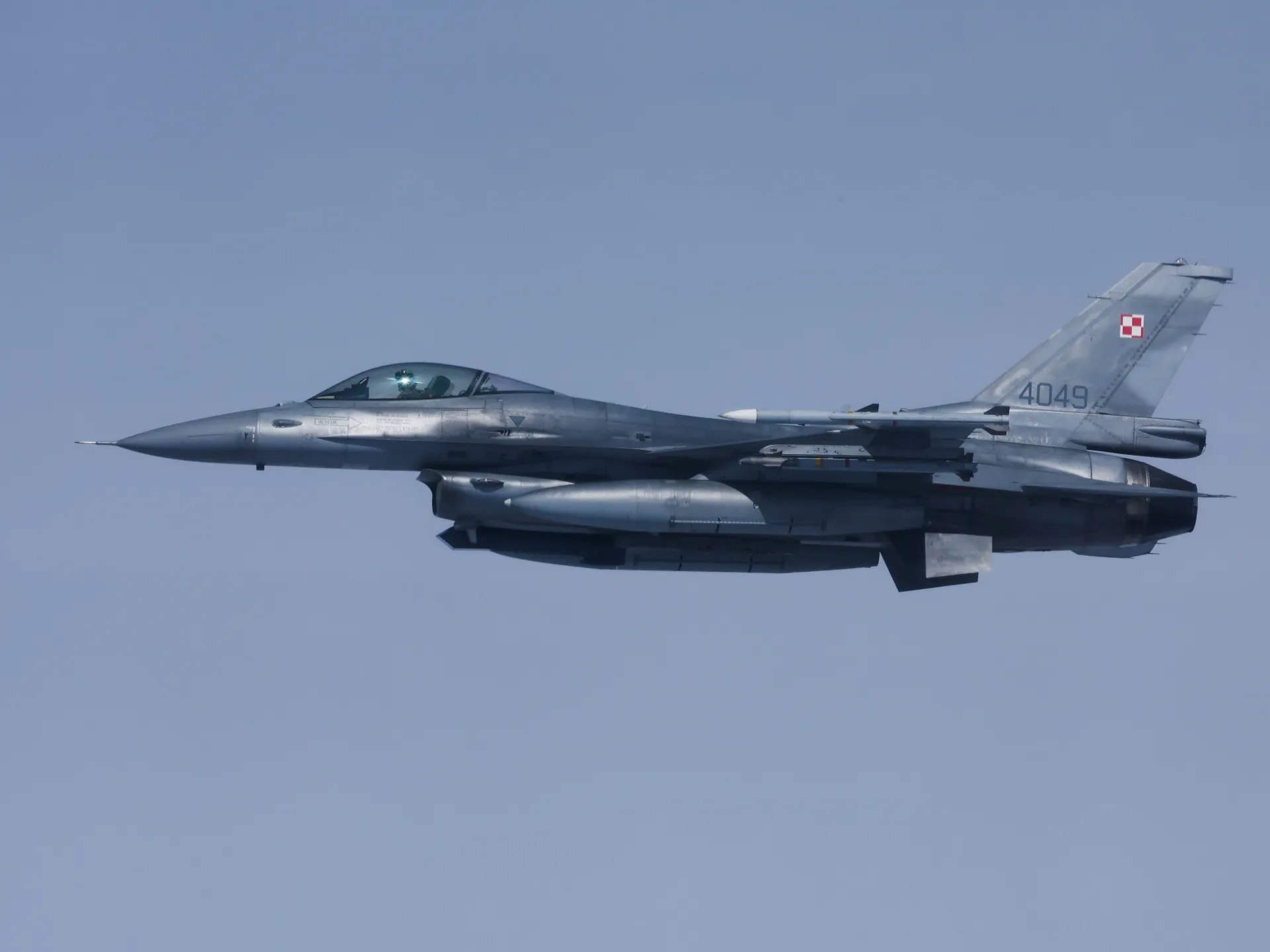
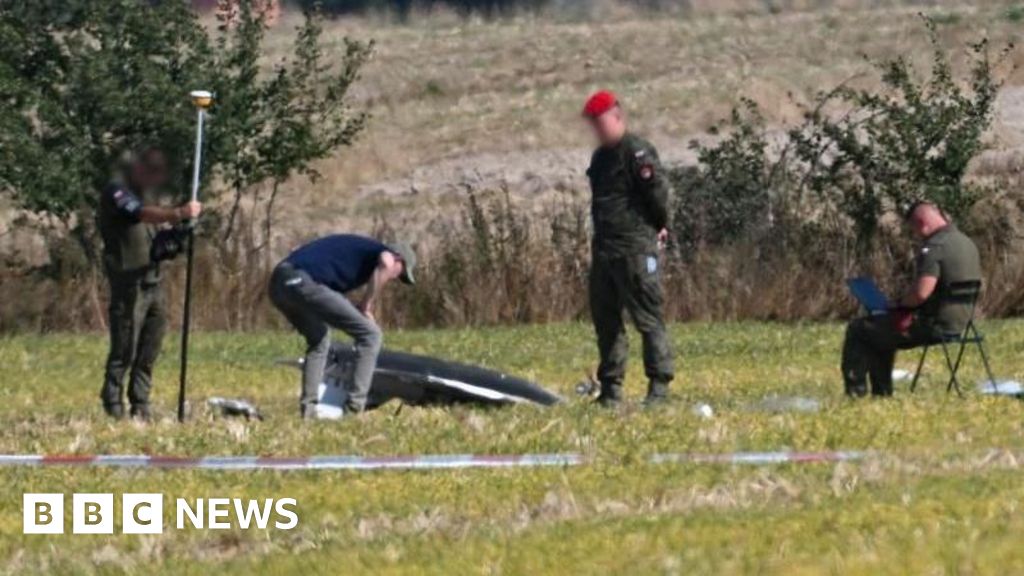
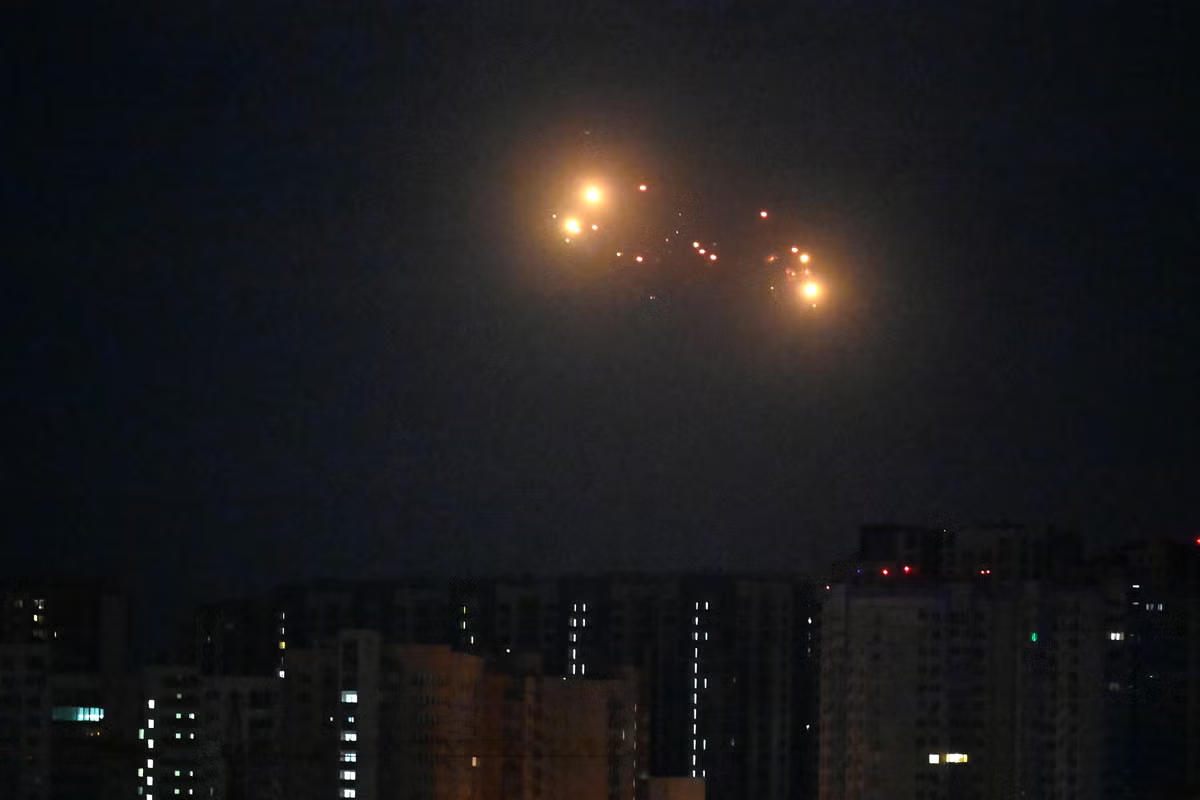
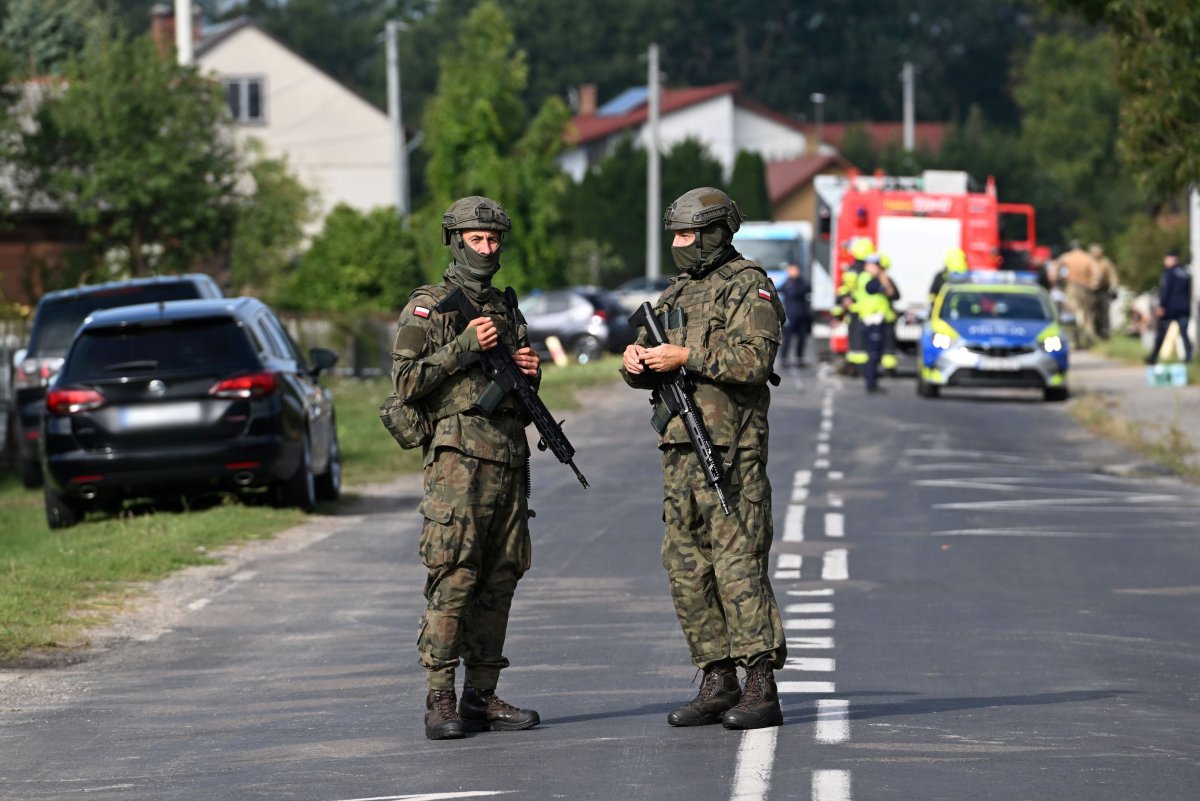
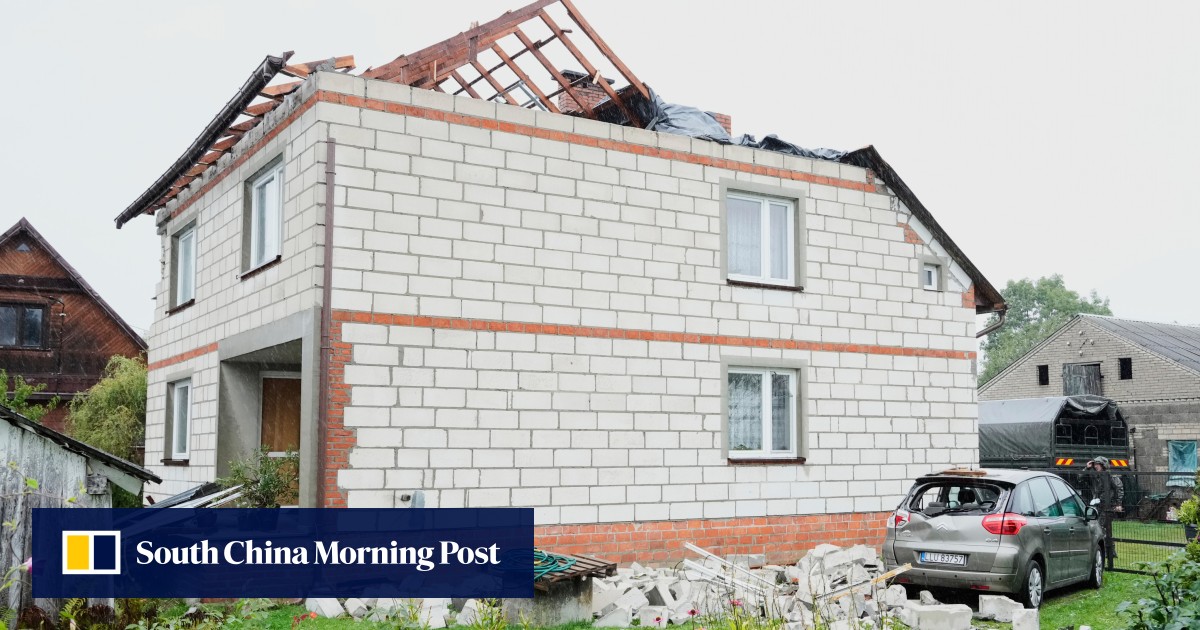
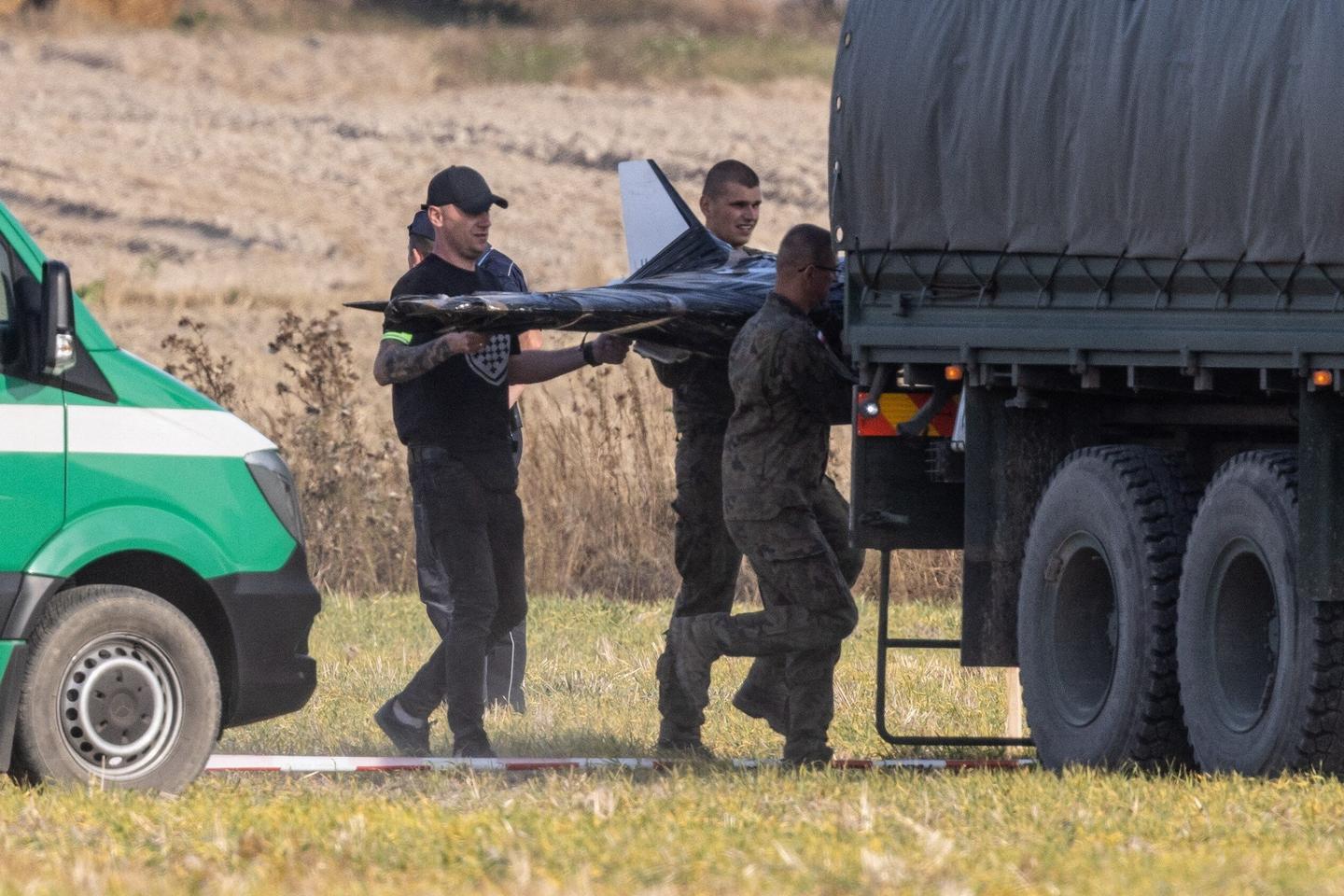
As the United Nations Security Council meets on Friday, September 12, to discuss the violation of Polish airspace by drones – suspected to have been launched by Russia during the night from Tuesday to Wednesday – the incident, the first of its kind since the start of the war in Ukraine, exposed significant NATO weaknesses in countering drones. The deployment of substantial air assets – including fighter jets, AWACS radar planes and refueling aircraft – to counter the latest drone barrage revealed just how inadequately prepared the allies were to face this risk.
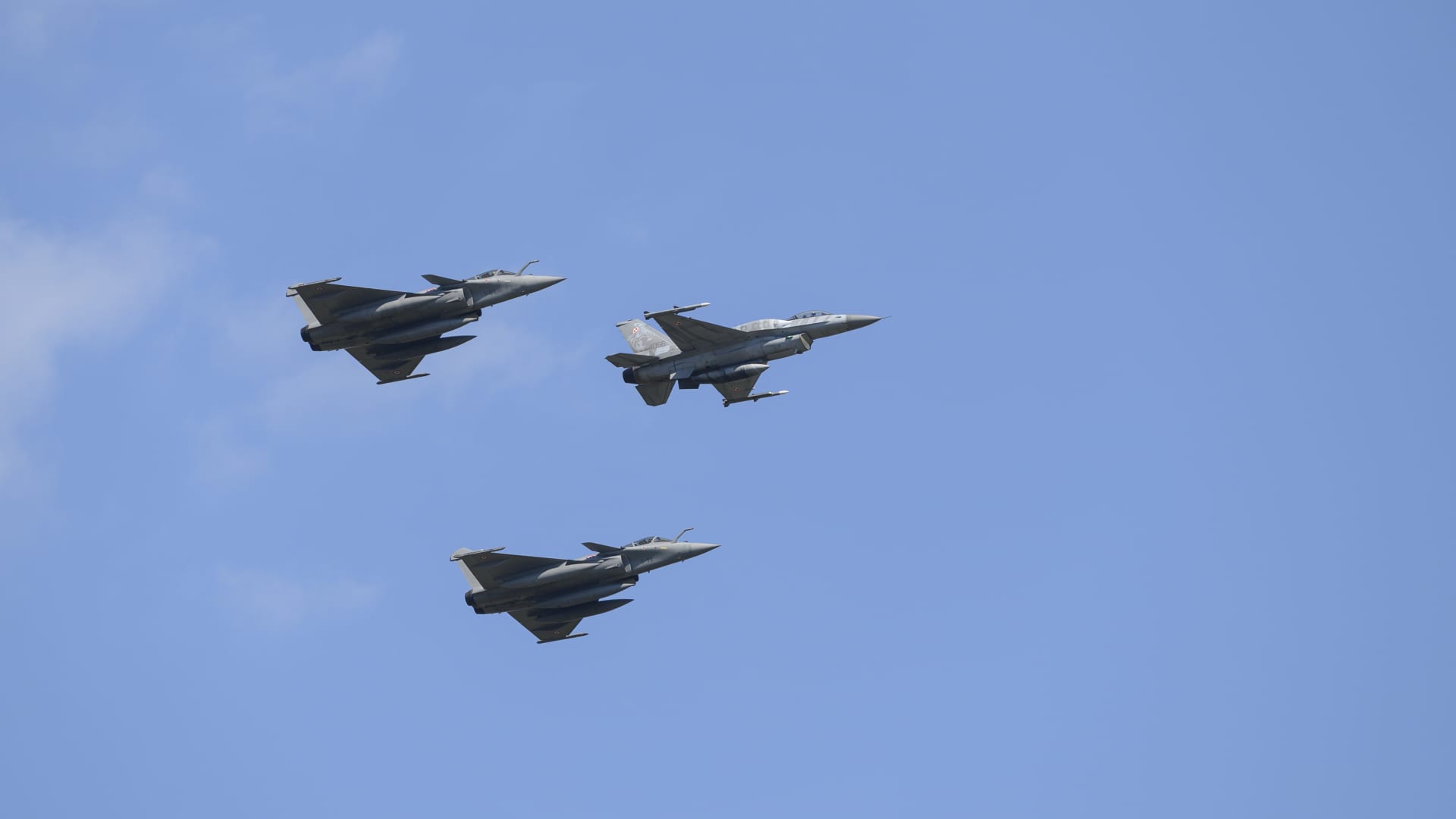
The decision by French President Emmanuel Macron on Thursday evening to send three Rafale fighter jets to Poland is not expected to change the situation significantly, nor is the provision of three helicopters and new Patriot air defense batteries by the Czech Republic and the Netherlands. "In one night, millions of euros were spent on missiles to down drones that cost just €100,000 in total. How long can that continue?" asked an air defense expert.