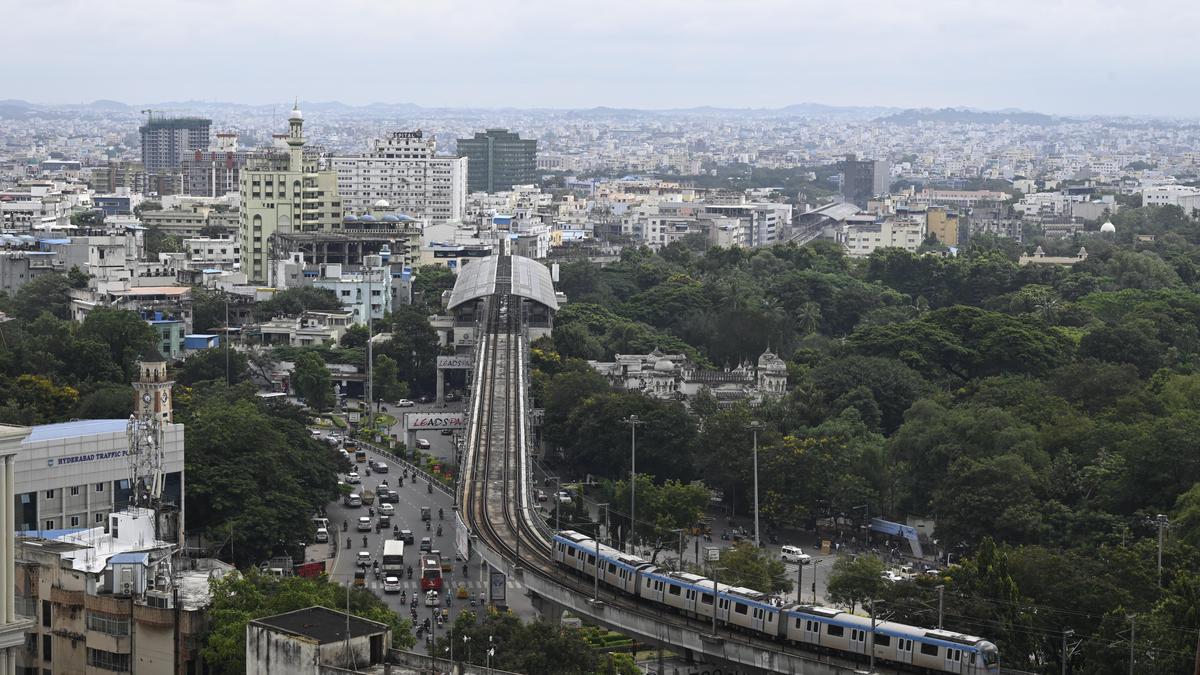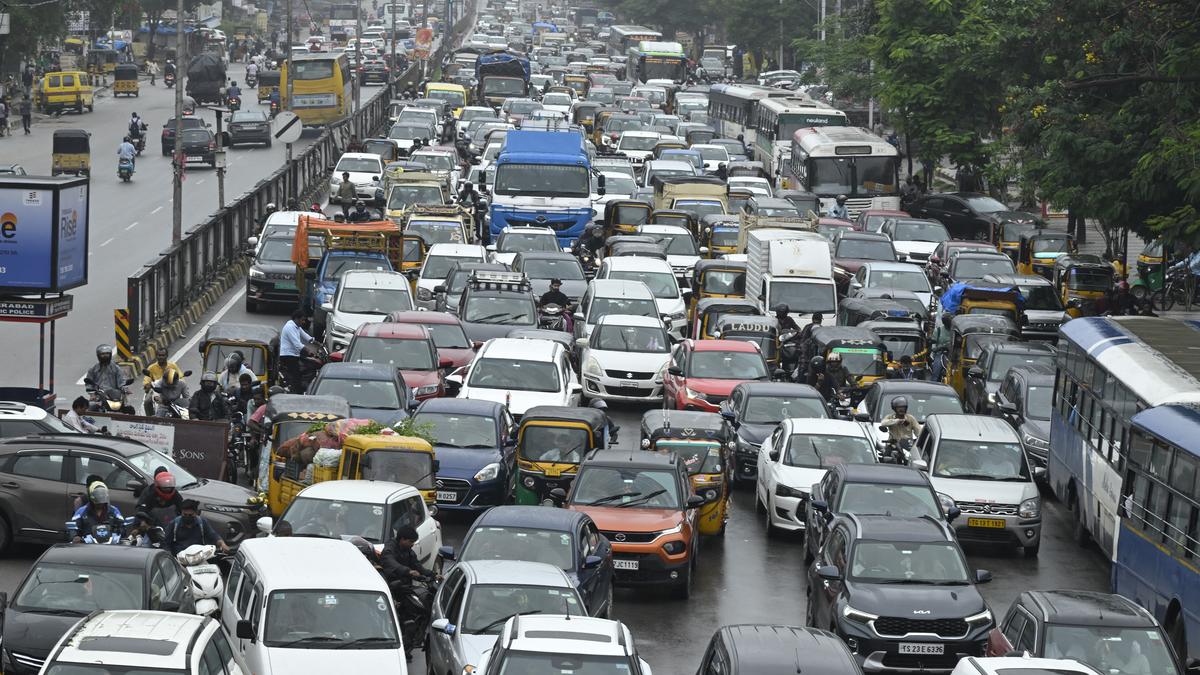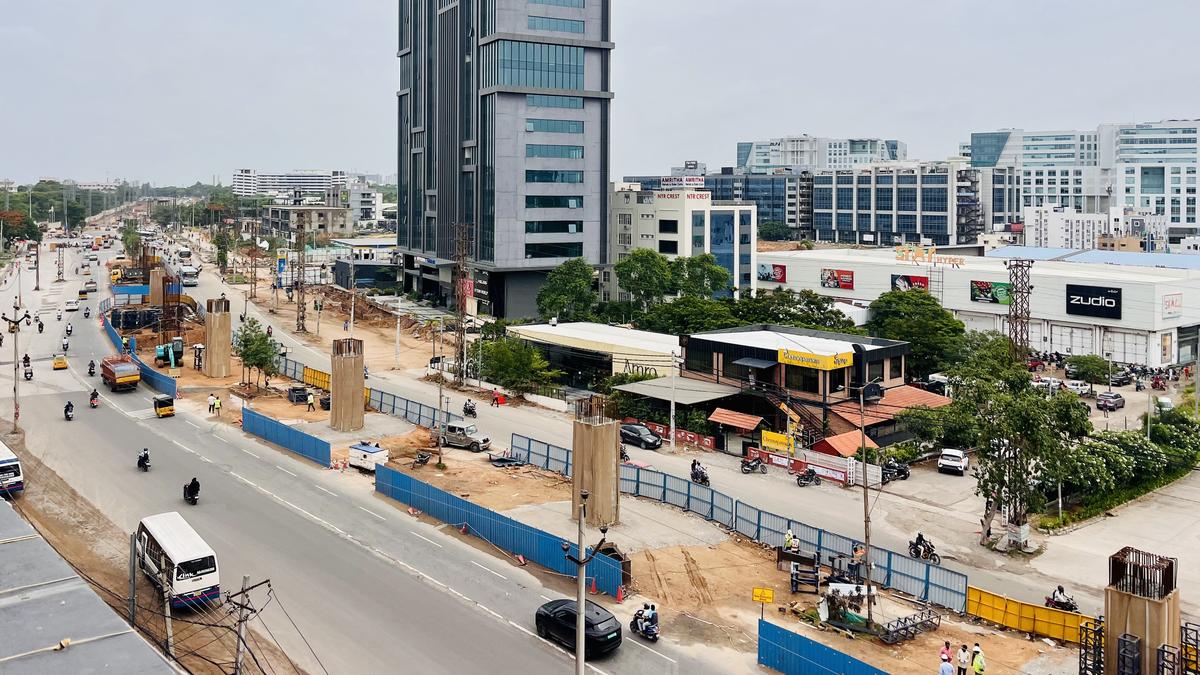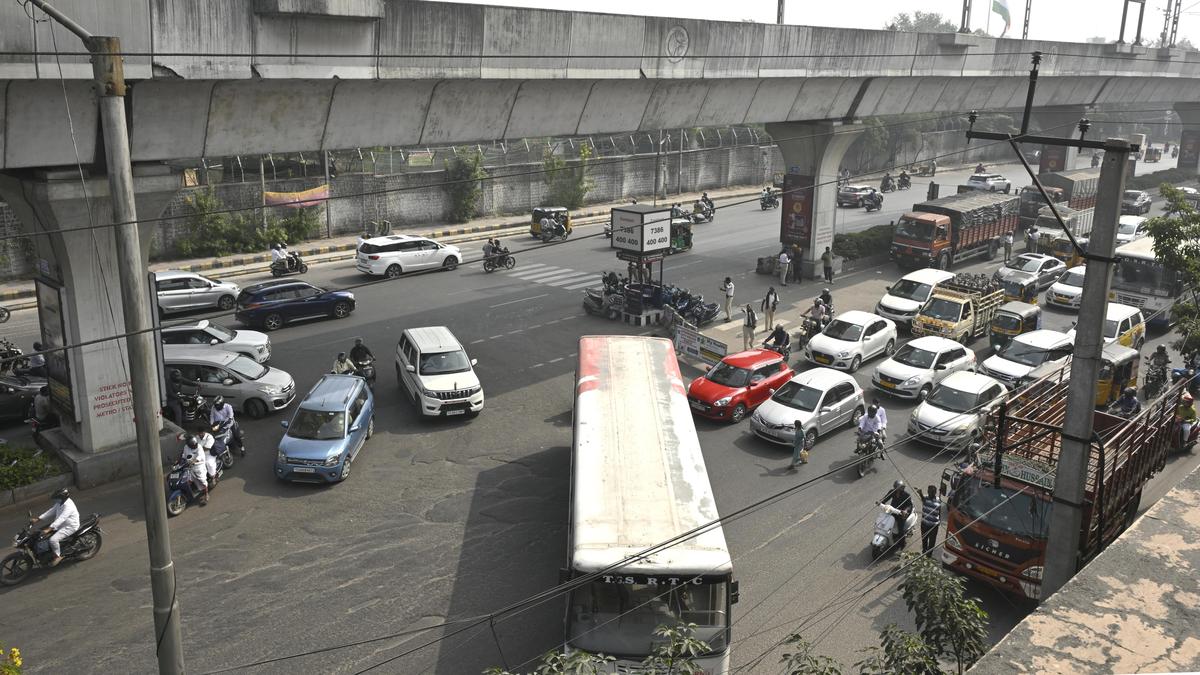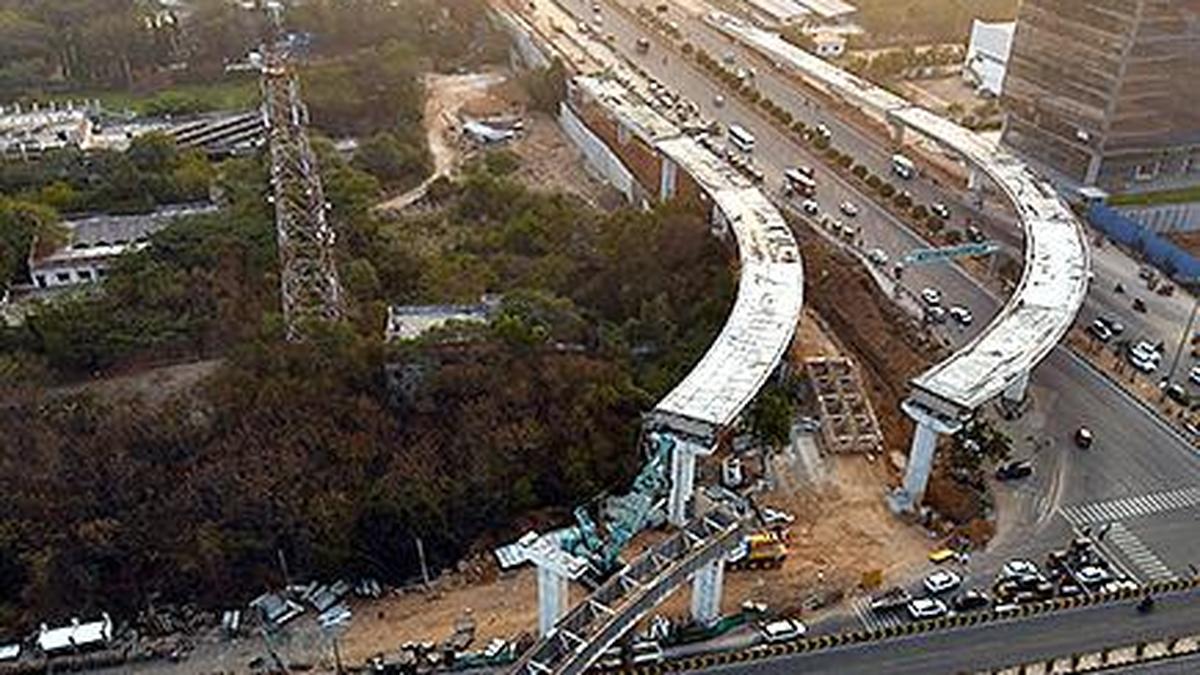
The road into Hyderabad forks just outside Chandanagar, where a gleaming flyover now carries impatient motorists toward Miyapur. Traffic slows, then surges, as cars and scooters climb onto the bridge and speed into the city. Few among today’s motorists would guess that this exact spot once witnessed the dramatic finale of a princely State.
On a hot September afternoon in 1948, a line of Indian Army tanks and jeeps halted here. A jeep bearing the Divisional Commander’s pennant rolled ahead. From the opposite direction came a Buick staff car, stopping within 30 yards of the column. The war, if it could be called that, was over. At 4.30 p.m. on September 18, Commander of the Hyderabad State Army Major General Syed Ahmed El Edroos surrendered unconditionally to Major General J. N. Chowdhury, leading India’s forces.
The two men, once acquaintances when Gen. Chowdhury was posted in Secunderabad, then drove together to the cantonment. At the Secunderabad Club today, portraits of both generals still gaze down from the Colonnade Bar, reminders of the quiet dignity with which the Asaf Jahi dynasty’s 224-year reign ended.
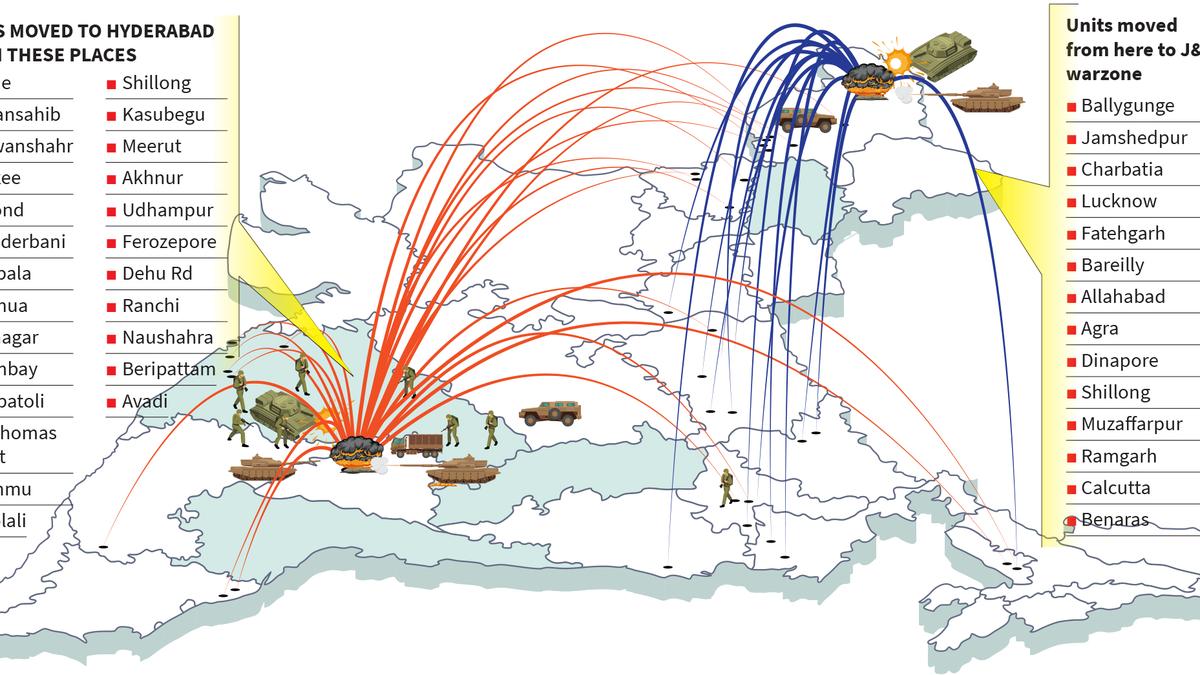
Like the fractured narratives of Akira Kurosawa’s Rashomon, the story of Hyderabad’s annexation appears different depending on who tells it. Some remember betrayal, others liberation, still others the ruthless pragmatism of power. Yet beneath the political speeches, diplomatic manoeuvers, and rhetoric lies the stark military reality — the Indian Army’s ‘police action’ was brief because it had been meticulously set in motion for over six months. The one-year Standstill Agreement was signed on November 29, 1947 but India moved its armed columns within four months in March 1948.