Today’s surge in military spending risks crowding out resources needed to address global issues and make a better future possible
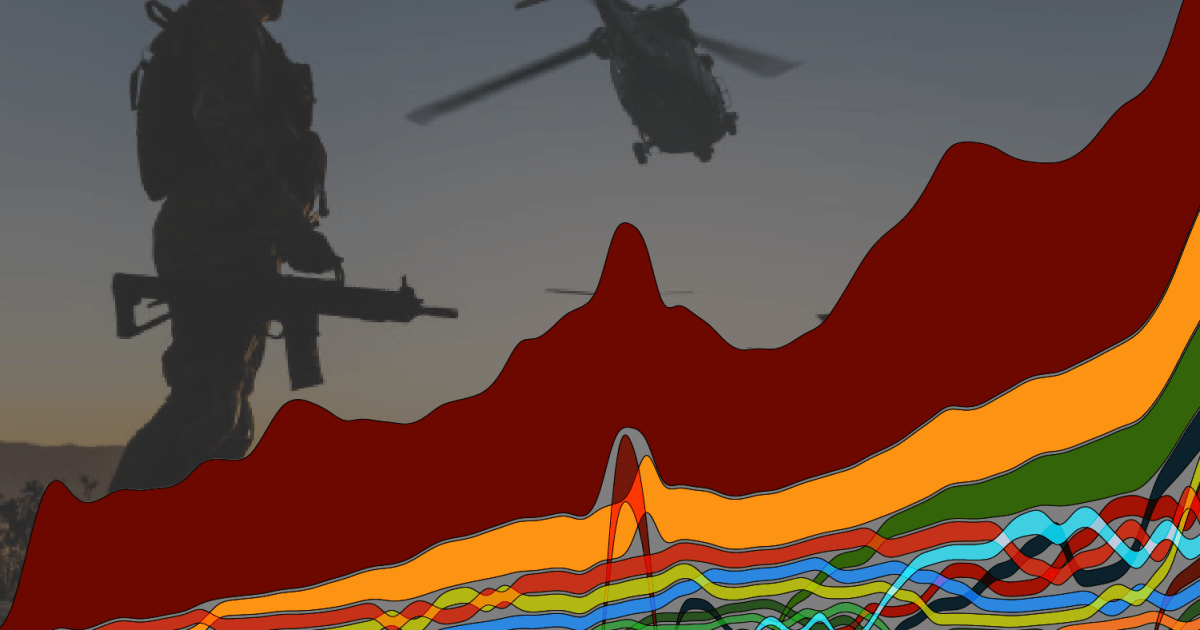
German military spending went from around 2 per cent of gross domestic product in 1933 to nearly 100 per cent by 1945. Japan went from around 4 per cent of GDP to more than 10 per cent by 1937, when the Sino-Japanese War broke out. The United States was slow to react, with an average spending of 1-2 per cent of GDP between 1930 and 1938, but it rapidly ramped up to as much as 40 per cent of GDP by 1945.
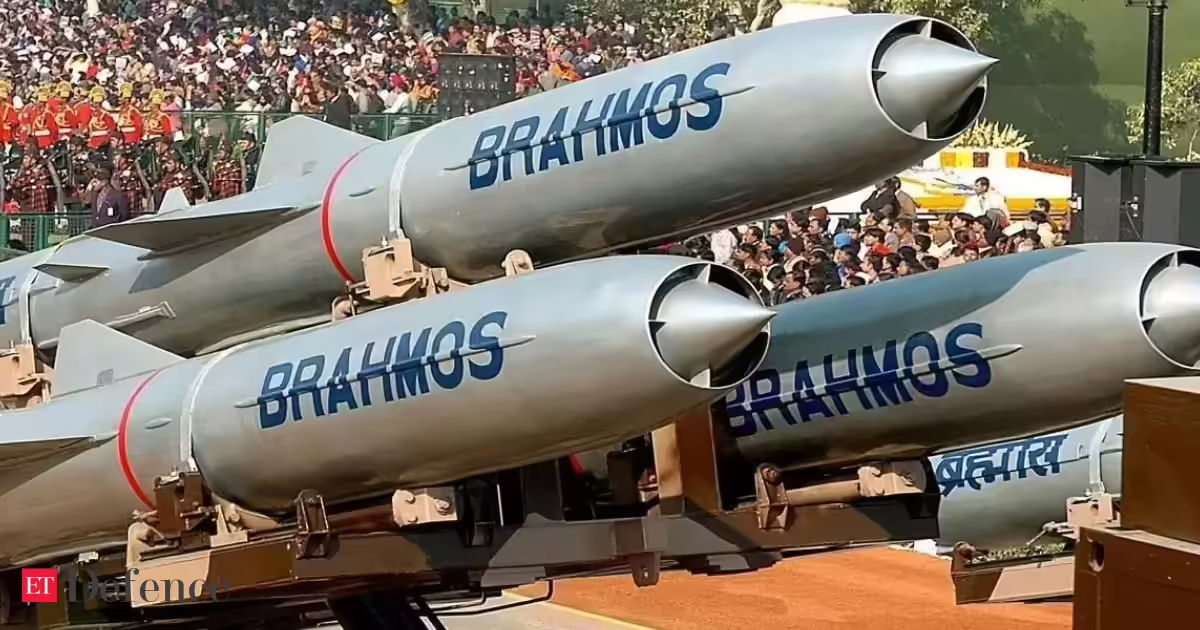
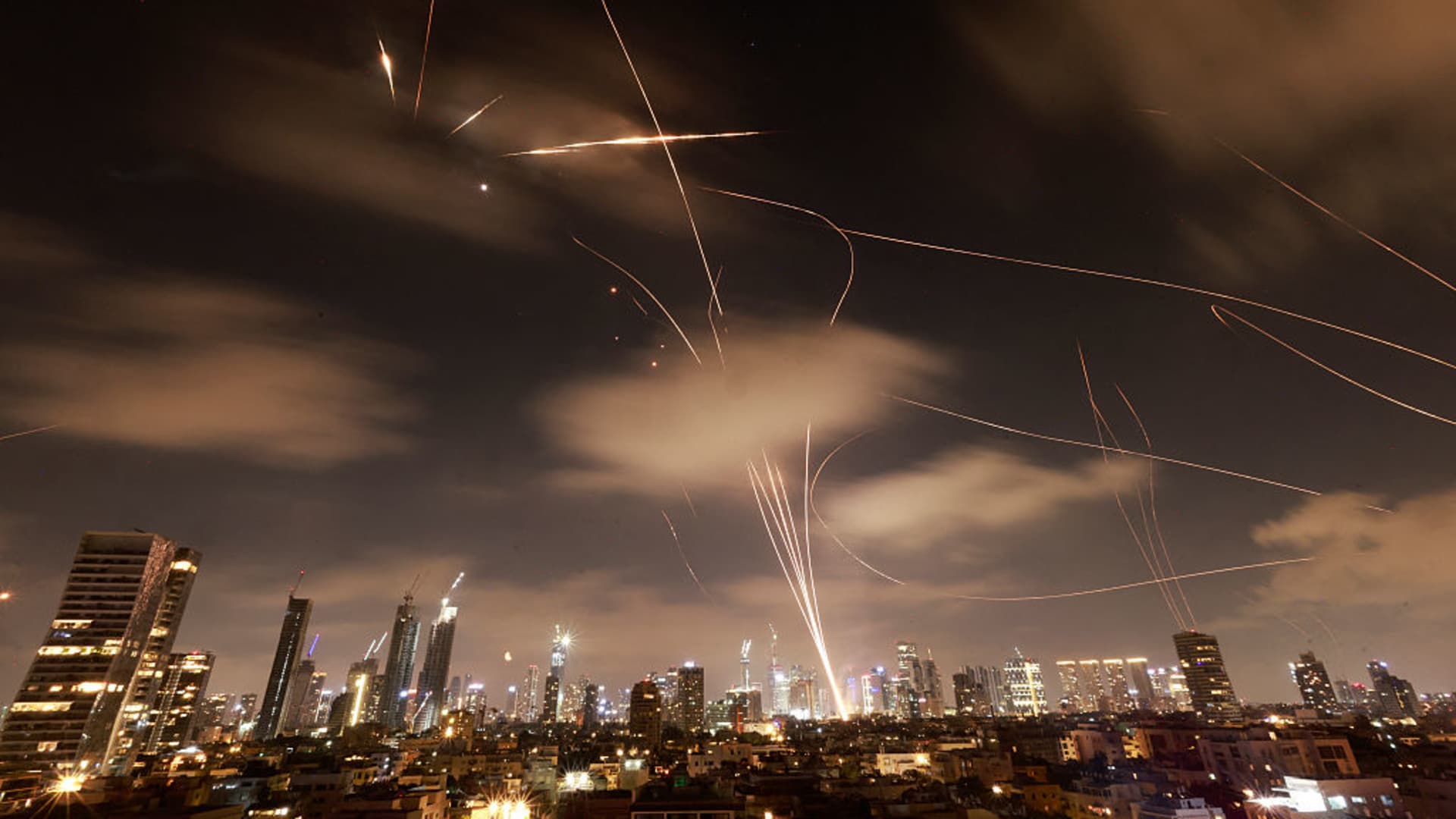
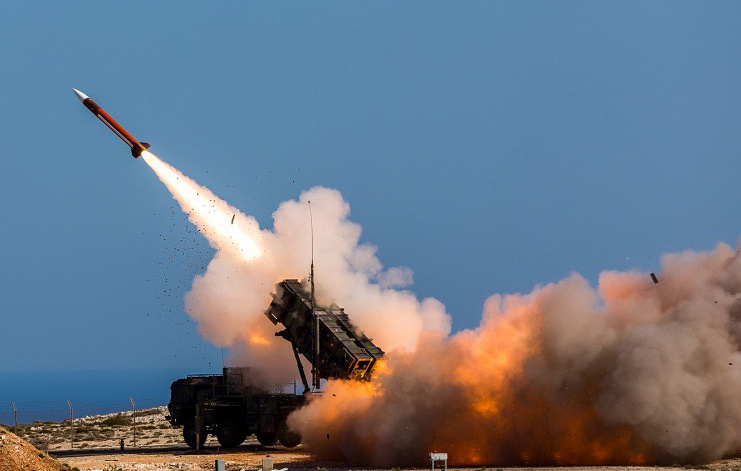
The Stockholm International Peace Research Institute estimated global military spending rose by 6.8 per cent in 2023 to more than US$2.4 trillion, equivalent to 2.3 per cent of world GDP. On average, military spending was 6.9 per cent of fiscal budgets, having increased across all five geographical regions. African countries saw the highest increase at 22 per cent, while the Americas saw the smallest at 2.2 per cent.
China showcases new military hardware in massive Victory Day parade
According to the Kiel Institute report, nearly 80 per cent of European defence procurement comes from outside the European Union. Spending more on materiel produced in Europe would help the continent’s industries thrive.