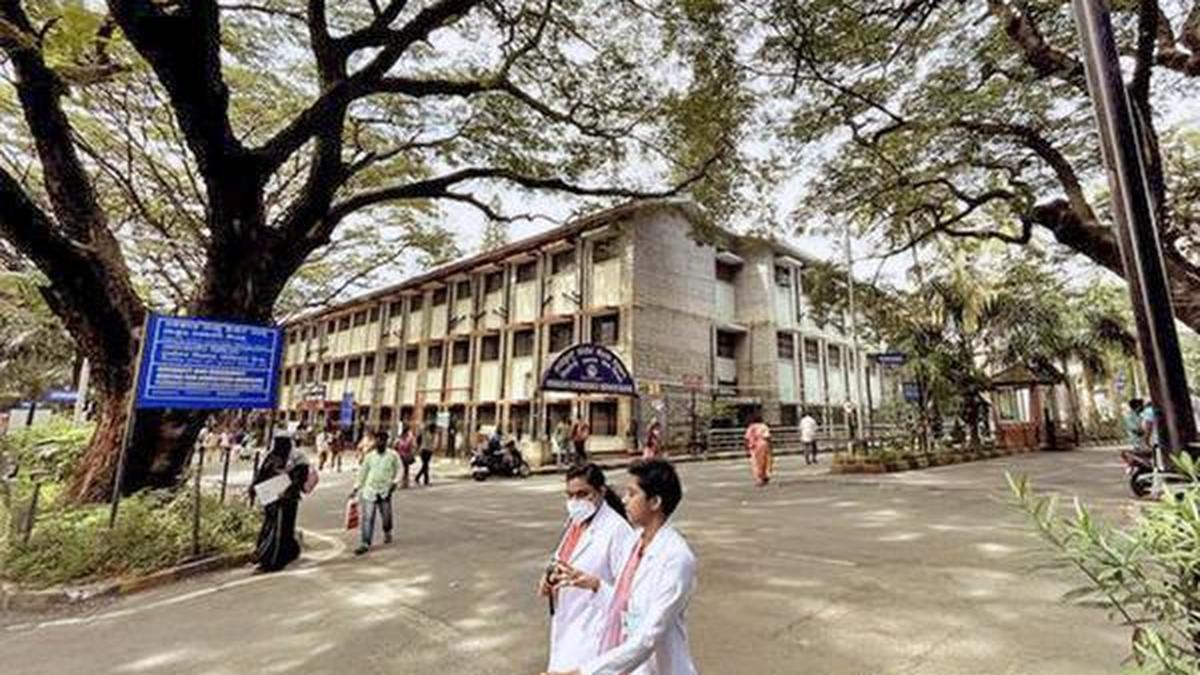
Ravi still remembers the day everything changed. His mother had slipped in the kitchen, her head striking the corner of a doorframe. The family rushed her to the local government hospital. Tests were run and the doctors advised them to travel to a place they had never heard of before — the Institute of Mental Health (IMH) at Erragadda in Hyderabad.
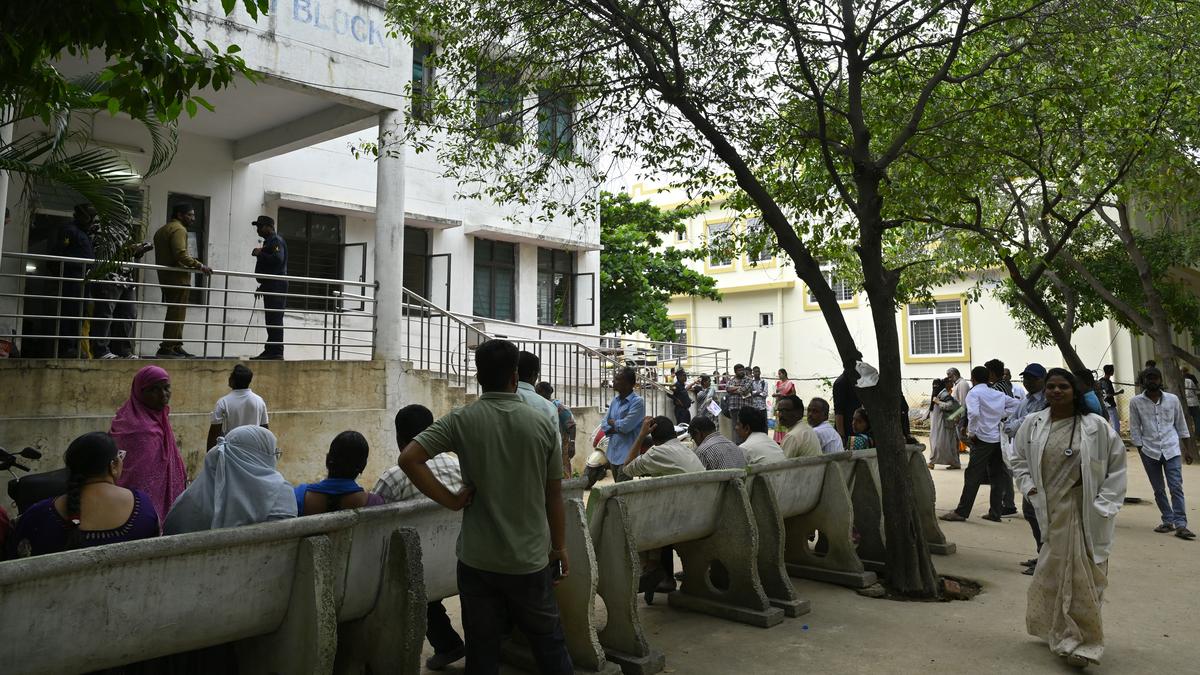
That was 12 years ago. Since then, Ravi, a 38-year-old resident of Kamareddy, has made the 100-kilometre journey to the State capital countless times, guiding his mother through the same gates, holding a quiet hope. Doctors at the institute had diagnosed a brain injury that had affected his mother’s mental stability. “It is far and always crowded. But the doctors here are kind and the medicines are free. She has grown used to this place now. So have I,” he says.
The road to those gates is often easy to miss. On a regular weekday morning, Erragadda bustles with the commotion of pushcart vendors shouting out their prices for apples, bananas and greens. Shoppers haggle and vehicles jostle for space; the noise is relentless. Take a left turn and the chaos recedes into stillness. Here, hidden in plain sight lies one of Telangana’s most crucial institutions.