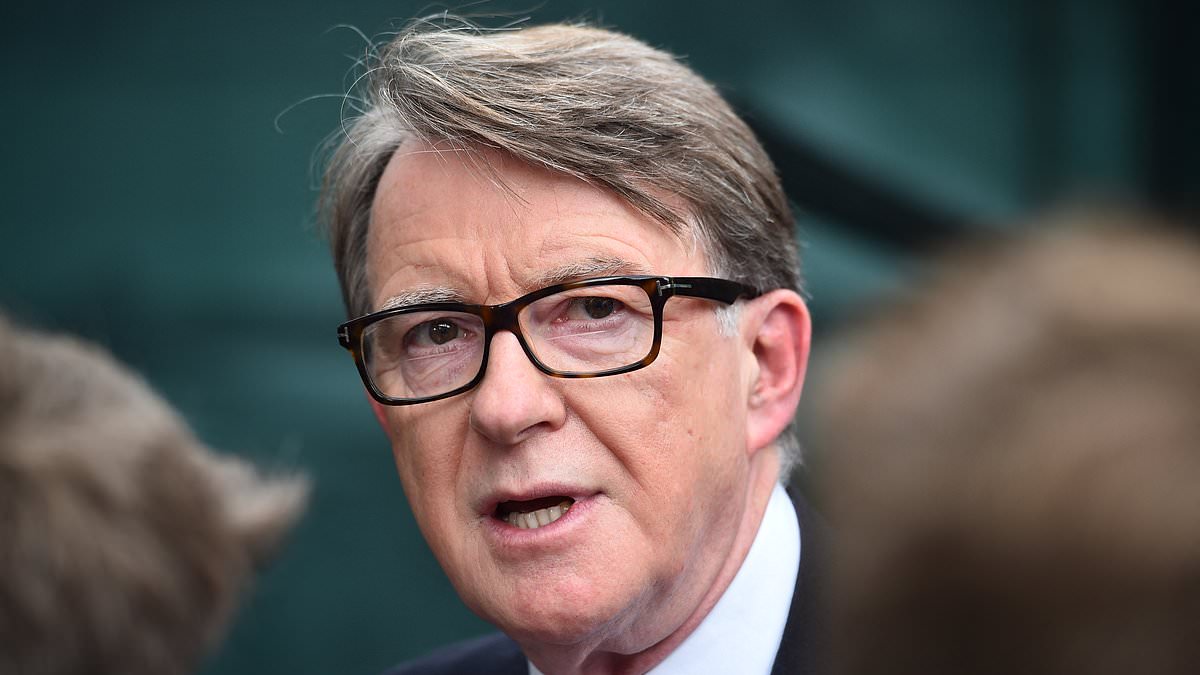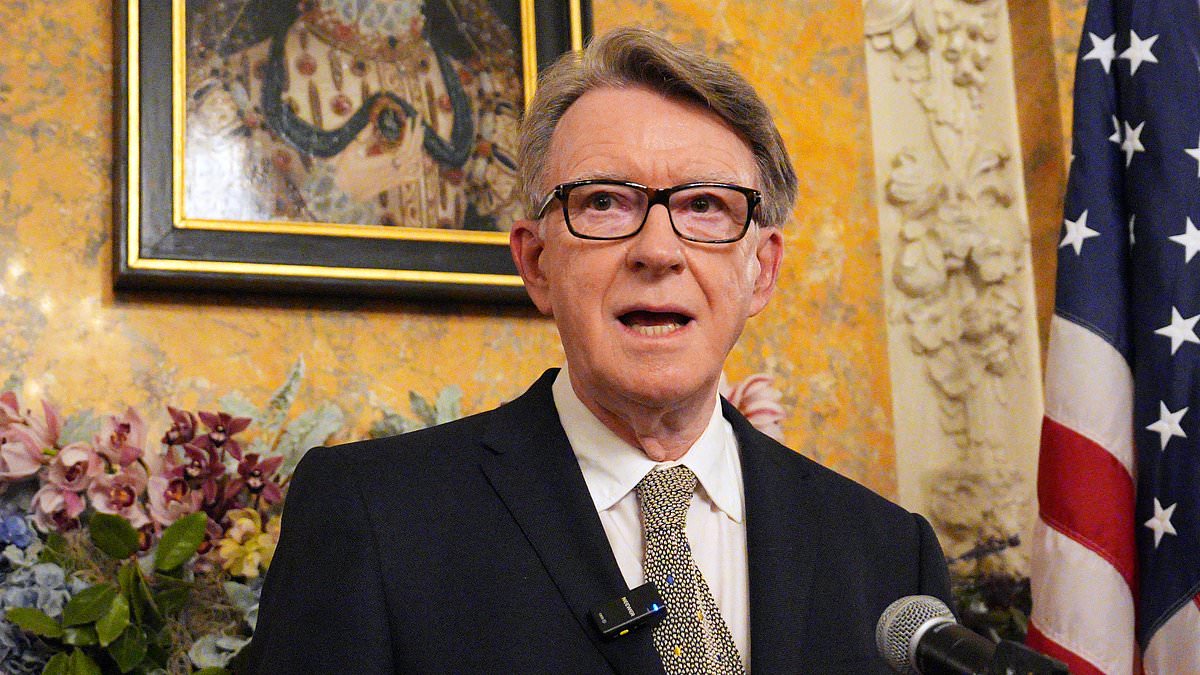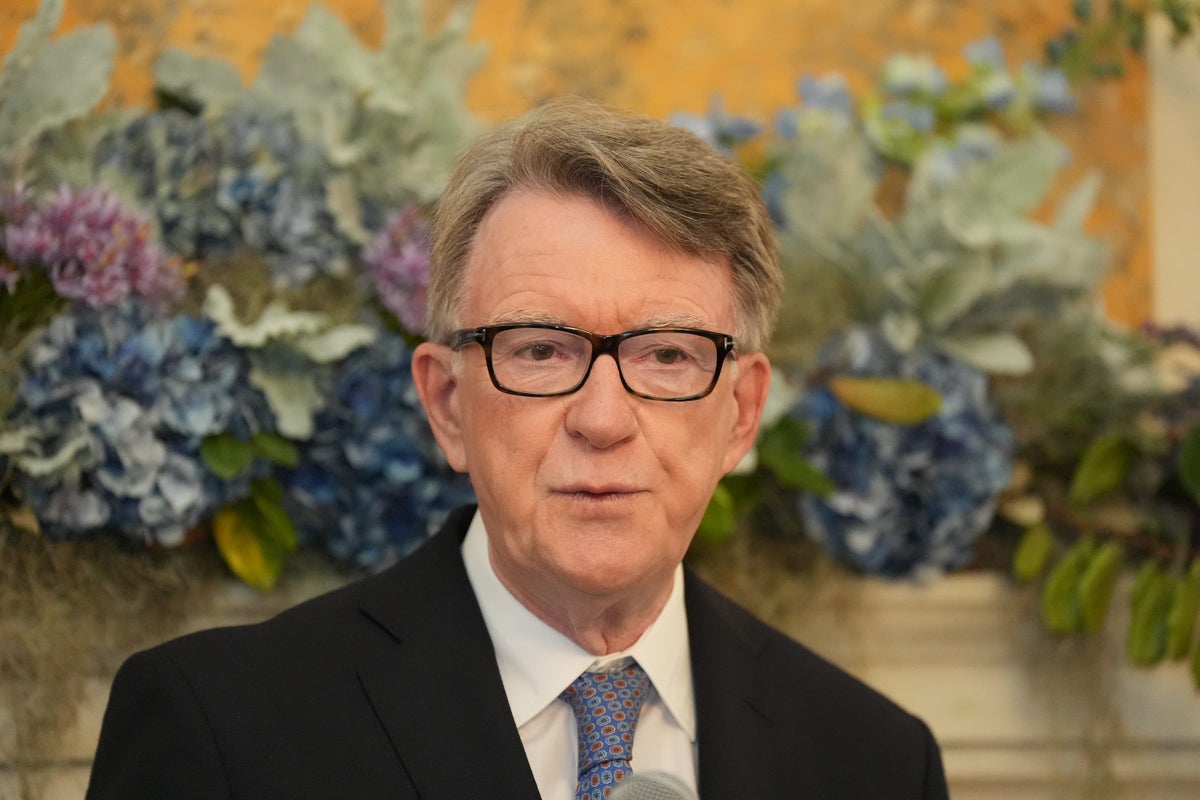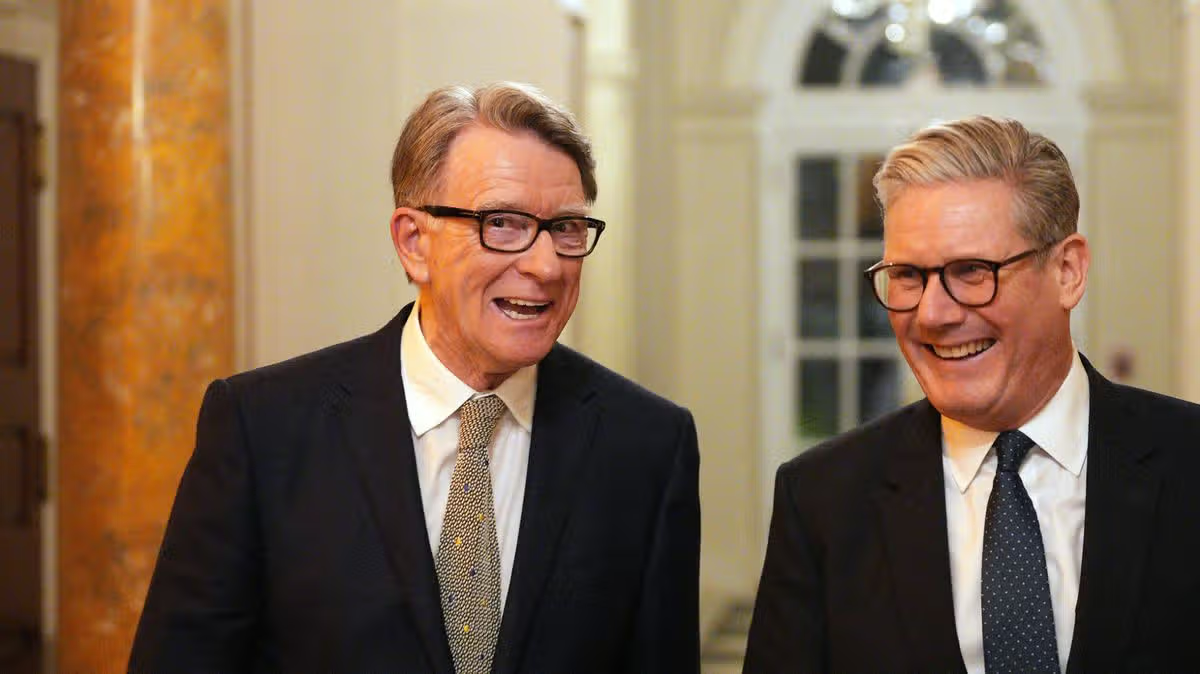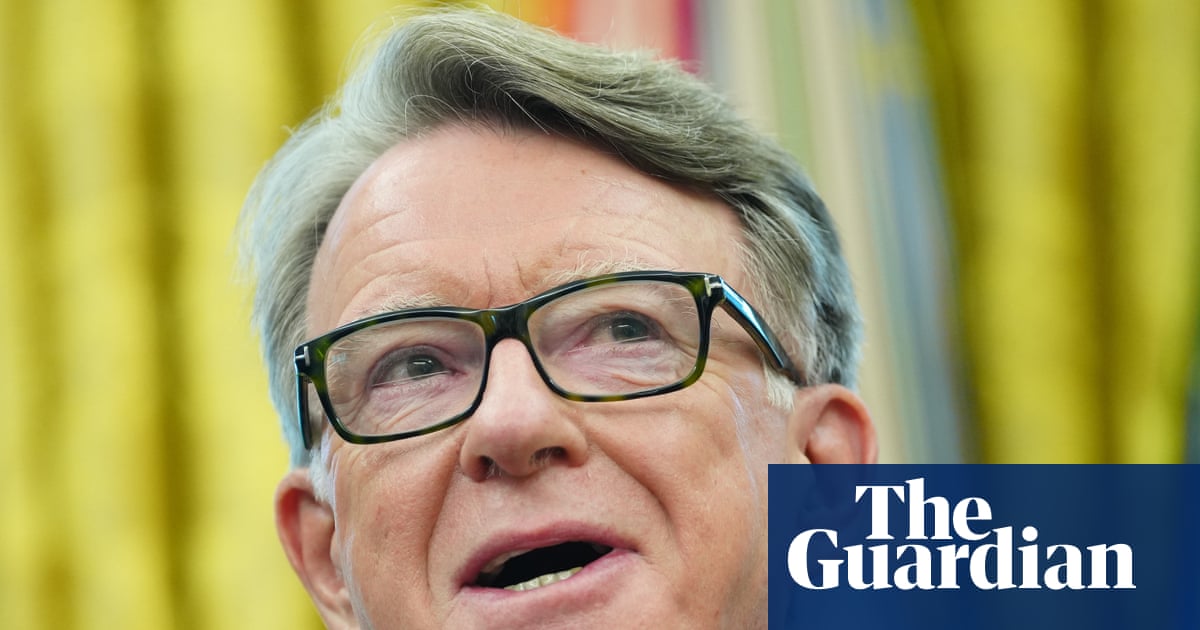
Sacked diplomat’s career was described as durable to an audience of foreign policy top brass just five days ago
O
n Saturday, as the late summer afternoon sun shone across the lawns of Ditchley Park, the cream of the British foreign policy establishment gathered in a giant marquee to hear the ambassador to Washington give the 61st annual Ditchley lecture on how Donald Trump’s re-election revealed something profound about an elite that had lost touch with modern fed-up electorates.
After a glowing introduction from Jonathan Hill, Peter Mandelson picked up on the Conservative peer’s description of his career as durable, laughing and saying “that captured it to a T”. His career had indeed been durable, but five days later it turned out not to be indestructible.
Mandelson’s speech, and the off-the-record Q&A, illustrated why Mandelson had been appointed to the role in the first place. He had a self-confidence and style that made him a big hitter in Washington at a time when a British Labour government could easily have found itself largely shunned or, even worse, ignored as irrelevant. Indeed, much of his speech was a warning that the UK could not assume the special relationship would endure. Britain had to keep earning Washington’s respect by providing what the US wanted, including science, technology and a willingness to “saddle up” and go to war by its side.