The story so far:
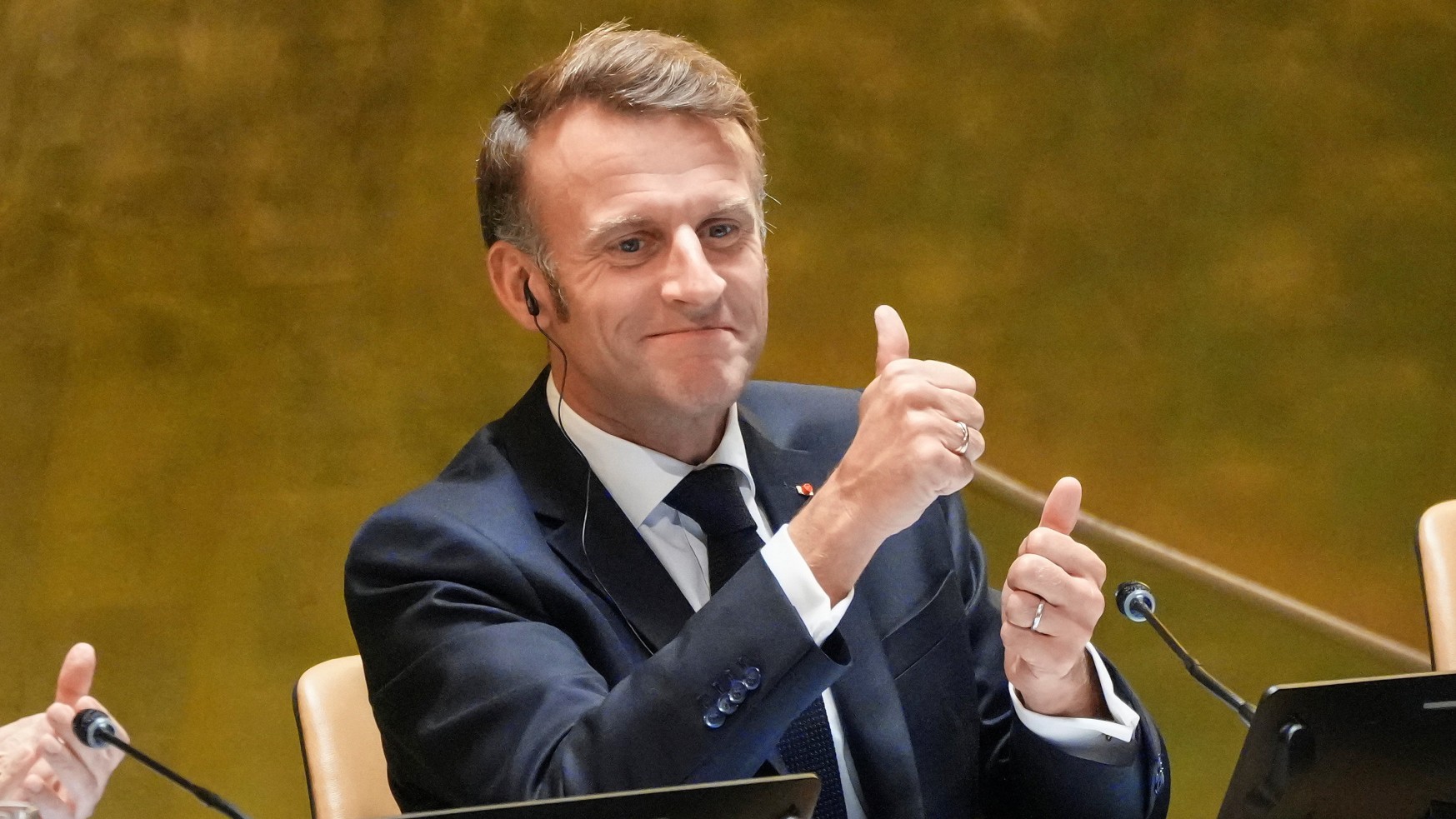
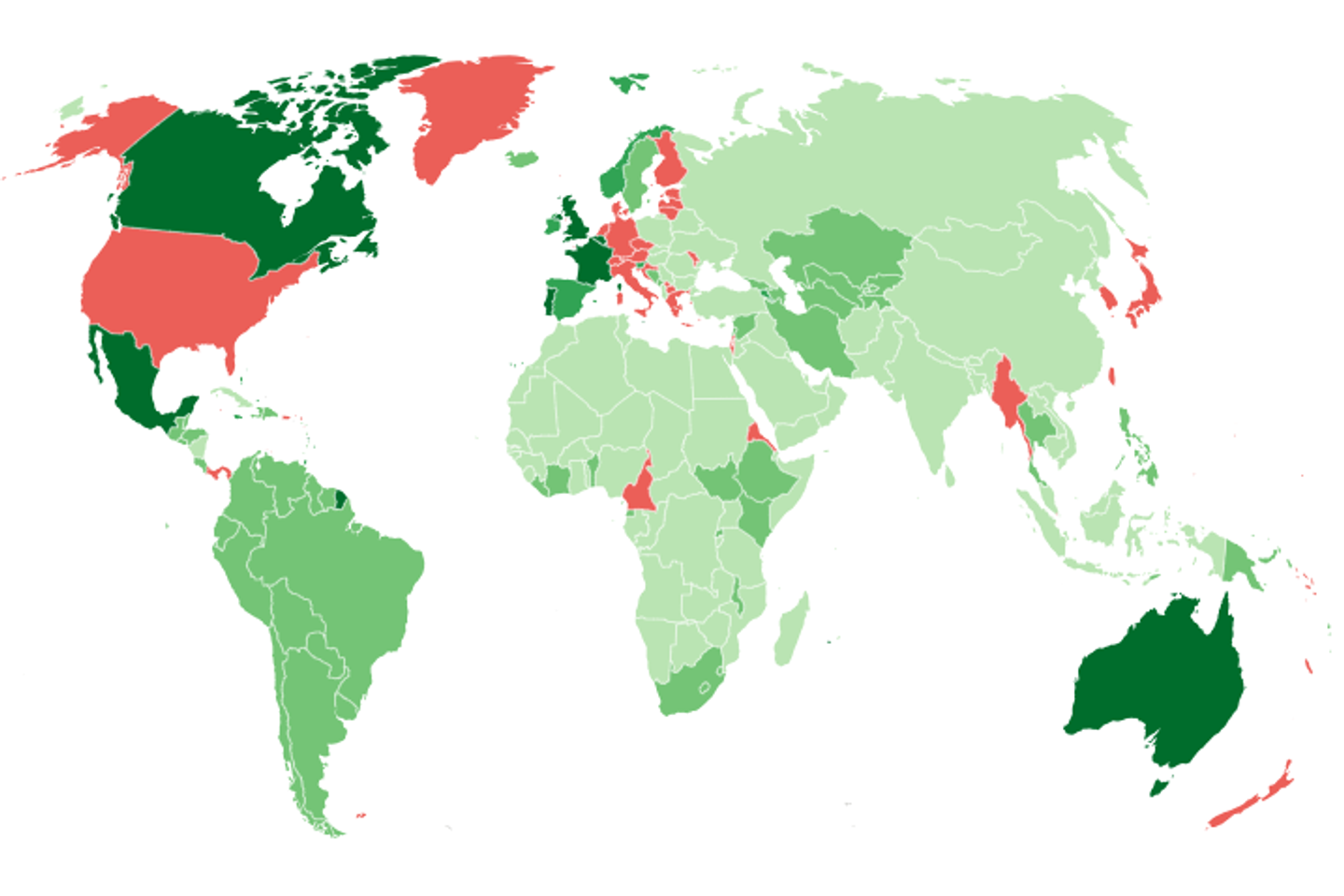
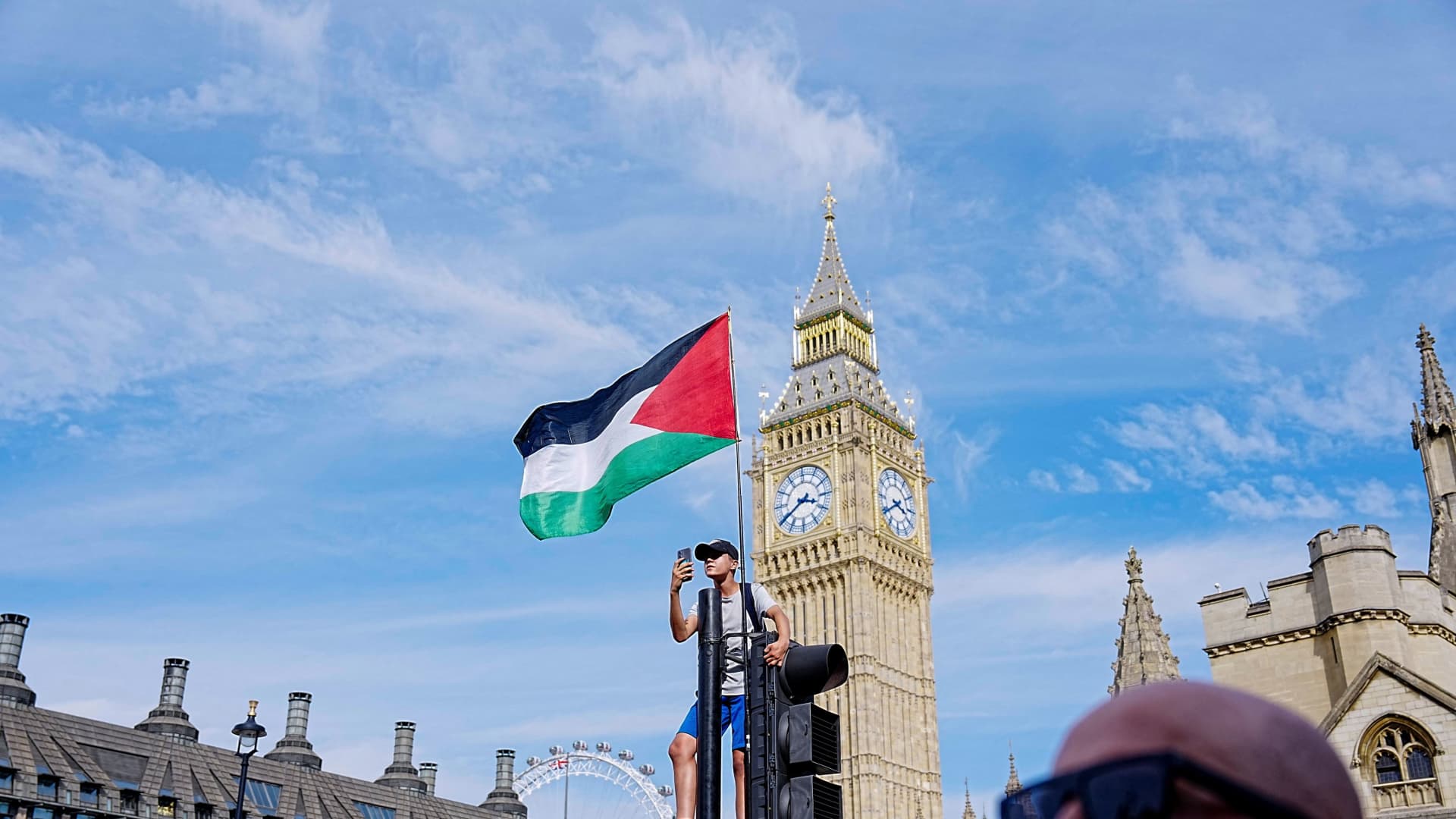
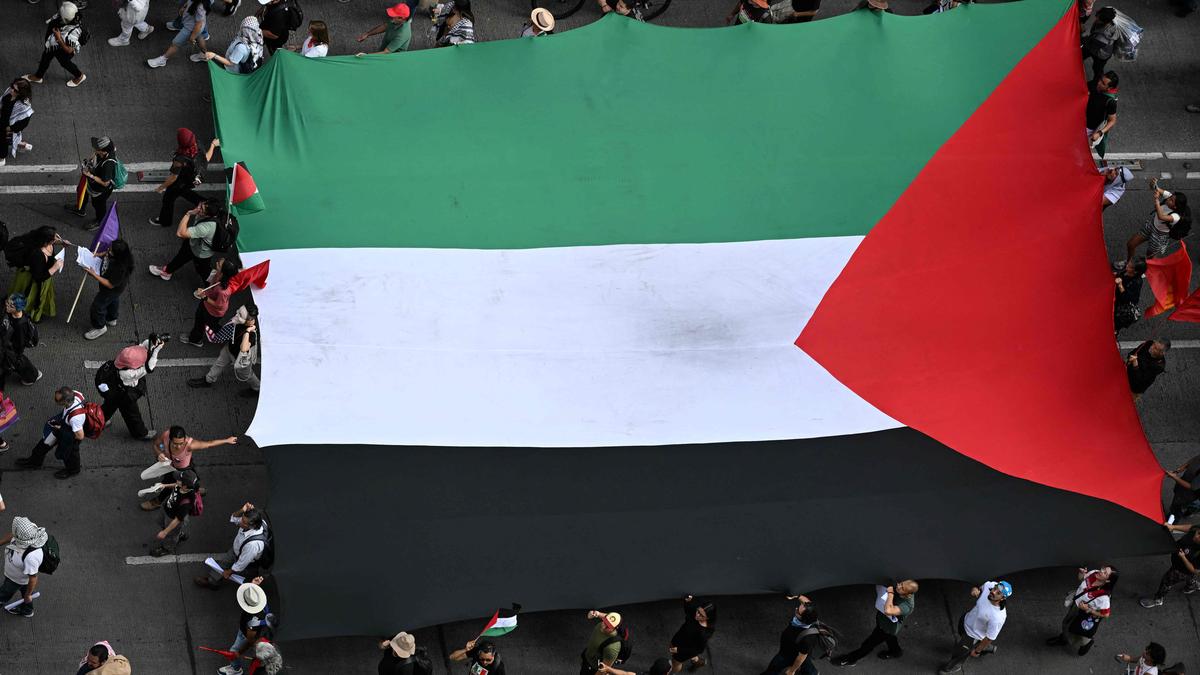
In a significant diplomatic shift, several European nations, including Spain, Ireland, and Norway, have formally recognised the state of Palestine. The move has created a ripple effect, prompting major powers like France to clarify their own positions. French President Emmanuel Macron stated he is “totally ready to recognise a Palestinian state,” but stressed such a move “must come at a useful moment.” This wave of recognition is the culmination of overlapping geopolitical, moral, and domestic pressures that have reached a tipping point.
What makes recognition urgent now?
The primary catalyst has been the war in Gaza following the October 7 attacks. The scale of the subsequent Israeli military response, resulting in widespread destruction and a humanitarian catastrophe, has shocked European sensibilities and made the previous status quo untenable. This has been compounded by the official stance of Israeli Prime Minister Benjamin Netanyahu’s government, which has rejected the two-state solution, the foundational principle of decades of international diplomacy. The legal proceedings at the International Court of Justice, where South Africa has accused Israel of violating the Genocide Convention, have further intensified the pressure on European nations to take a definitive stance. For many governments, recognition is no longer a final reward for a settlement but a necessary act to preserve the very possibility of a two-state solution.